March 6, 2021

Many years ago sailors had to go all the way down to Argentina to cross from the Atlantic to the Pacific Ocean. But nowadays there is the Panama Channel. The stories on the channel crossings are endless. Unfortunately, people tend to remember and share around all the bad stories. After listening to many of those I got very nervous. So many thing could go wrong very quickly and could be very dangerous, for the boat and for the people.
Crossing the Panama Channel was in our original plans for this trip, but when COVID started and the world froze for a few months in March 2020 this plan was looking very far away and almost undoable. However, thanks to my extra six months leave from work, the channel crossing was back in the schedule.
We arrived to Panama, thinking we would have to wait at least a couple of weeks before being able to cross. Normally this time of the year is the busiest for sailboats crossing leading to up to 6 weeks delays. Apparently this year has been very different. Restrictions are still in place in many countries therefore is are lot less boats crossing. So basically, we needed it only a couple of days. However, we had some work to do before the crossing.
There are always repairs and continuous improvements on a boat. And in this case it is very important to think well ahead. While in the Caribbean there is always a marina not too far way, you can get parts deliver easily, water, fuel everything is quite accessible. But once we get to the other side things will be very different. We need to be self sufficient. this includes having spare parts -as much as possible- to be able to fix any critical system to keep going.
Preparation for the Pacific crossing
When we were in Colombia we ordered lots of stuff from amazon in the US, it s a bit cheaper than other places, lots of choice and it was easy enough to get it delivered to Panama. So when we arrived in Panama, it was Christmas for us.
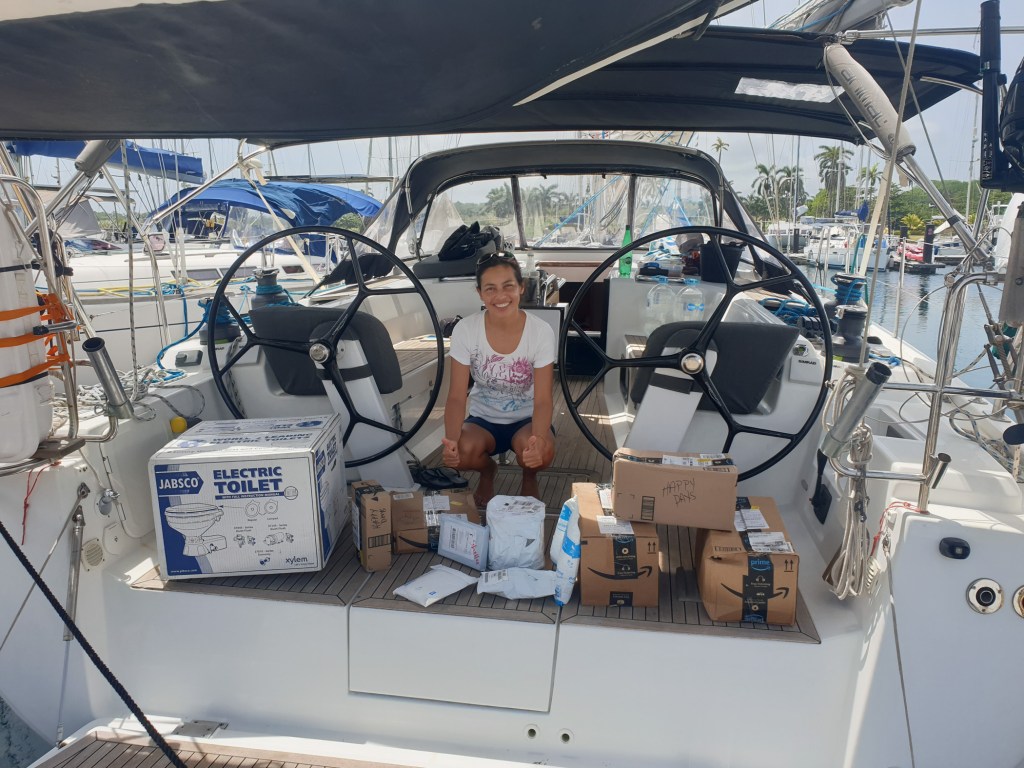
One of the critical parts we ordered was a toilet. One of our toilets broke down in Curacao after many repairs and it was impossible to get it back. Most of the times Cedric makes the repairs and I help but for this one. We decided we were going to get specialist help. The plumber in the marina a nice Colombian guy took a lot longer than expected as he found many little things on the way. But the result is fantastic. Two full working toilets with no leaks!!! Boaties will understand my happiness. On land a working no leaking toilet is a normal thing, kind of expected. What could be special about that?
Next thing on the list. A very important one. Our friend the watermaker or desalinizator. We have a small one that makes 10 litres/hour. It is consider small nowadays as the new ones can make 120 litres/hour. In any case, before we arrived in Colombia it started tripping, apparently there was a problem with the current. So the idea was to put a new fuse and make sure the current is working properly and also change one of the pumps. (came in the amazon packages). While working on this there were good news and bad news. The watermaker with its new pump was working perfectly. Bad news, the root cause of the problem was a corroded end on one of the batteries. The corrosion had caused the current to be unstable and trip the watermaker circuit. The conclusion, one of the batteries is dead, no way to be recovered. However, it is still a happy ending, as we found the problem while we were in the marina and had a friendly sailor/electrician advice, instead of finding the problem in the middle of the pacific. In addition, we can still go with 3 batteries without mayor changes.
Another, “present” was a brand new Mainsail. Our mainsail is still working but it is now delaminating – as we were told by a sailmaker- not really sure why this happened and either how long will last. So to make sure we don’t end up in the middle of the pacific with no mainsail we decided to make the investment now. Hopefully, we don’t have to make the change any time soon. Because it is huge 44kg of tissue. It is what keep us moving anyway! This delivery caused us some delay and we had to change the date for the crossing. Still don’t understand how UPS can demand extra US$300 for shipment when the invoice says clearly, “shippers paid door to door”. Unbelievable, once again UPS, last time I had a problem with them they lost my passport, but that is another story.
Lots of little things in the list and of course shopping, shopping and shopping. Have you ever shop for 6 months? I made the inventory of the provisions in Colombia and we got a lot of food, mainly non perishables, cleaning products, spare parts, anything we could think of. So now it was just to top up. Hopefully, we made the calculations right.
Visiting the jungle
I was so pleased when I got invited by two lovely ladies to join them on their morning walk. Shelter Bay Marina is isolated, far from Colon which is the closets town. But the good thing about this is that is so close to the jungle. So every morning 8am I would join Pascale and Lisane for a walk in the jungle. Lots of flora and fauna from the deep forest. Monkeys, slots, all kinds of birds, turtles and many more.
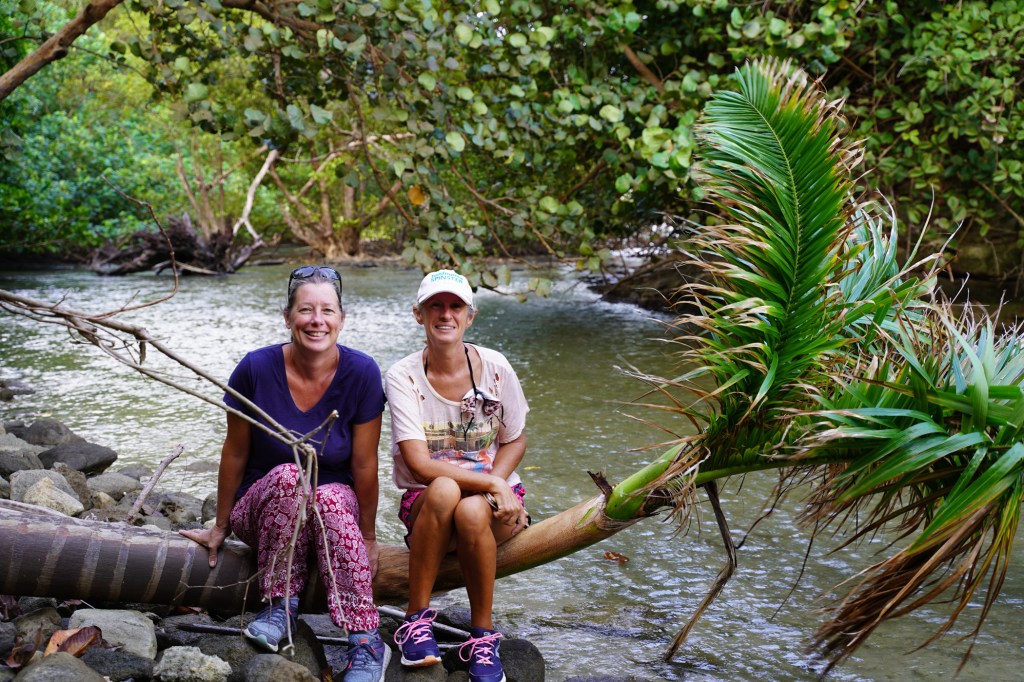
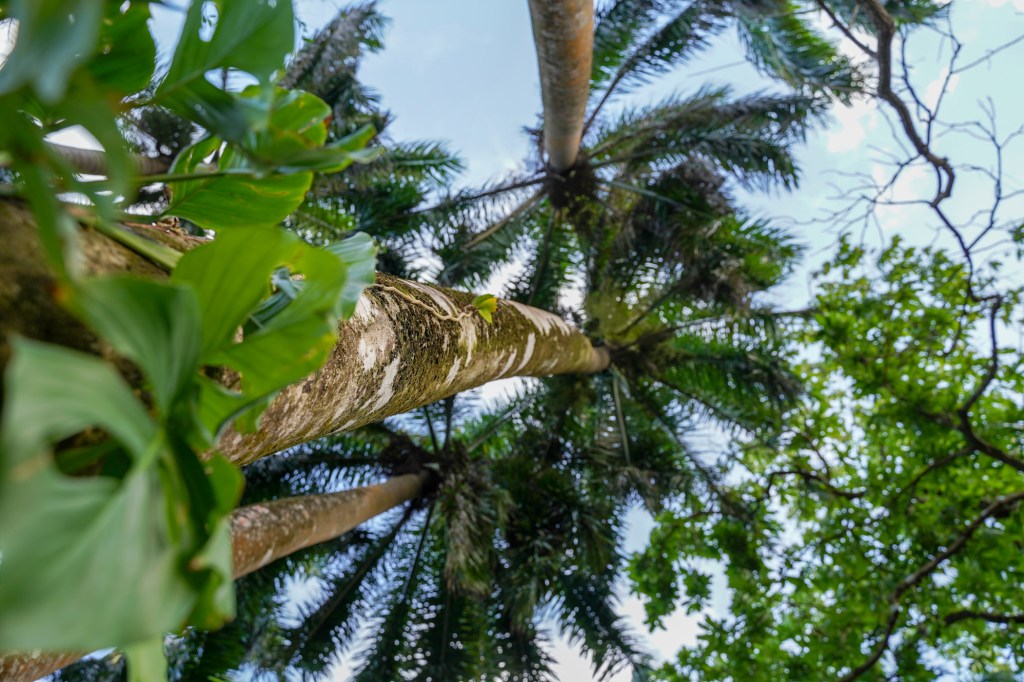
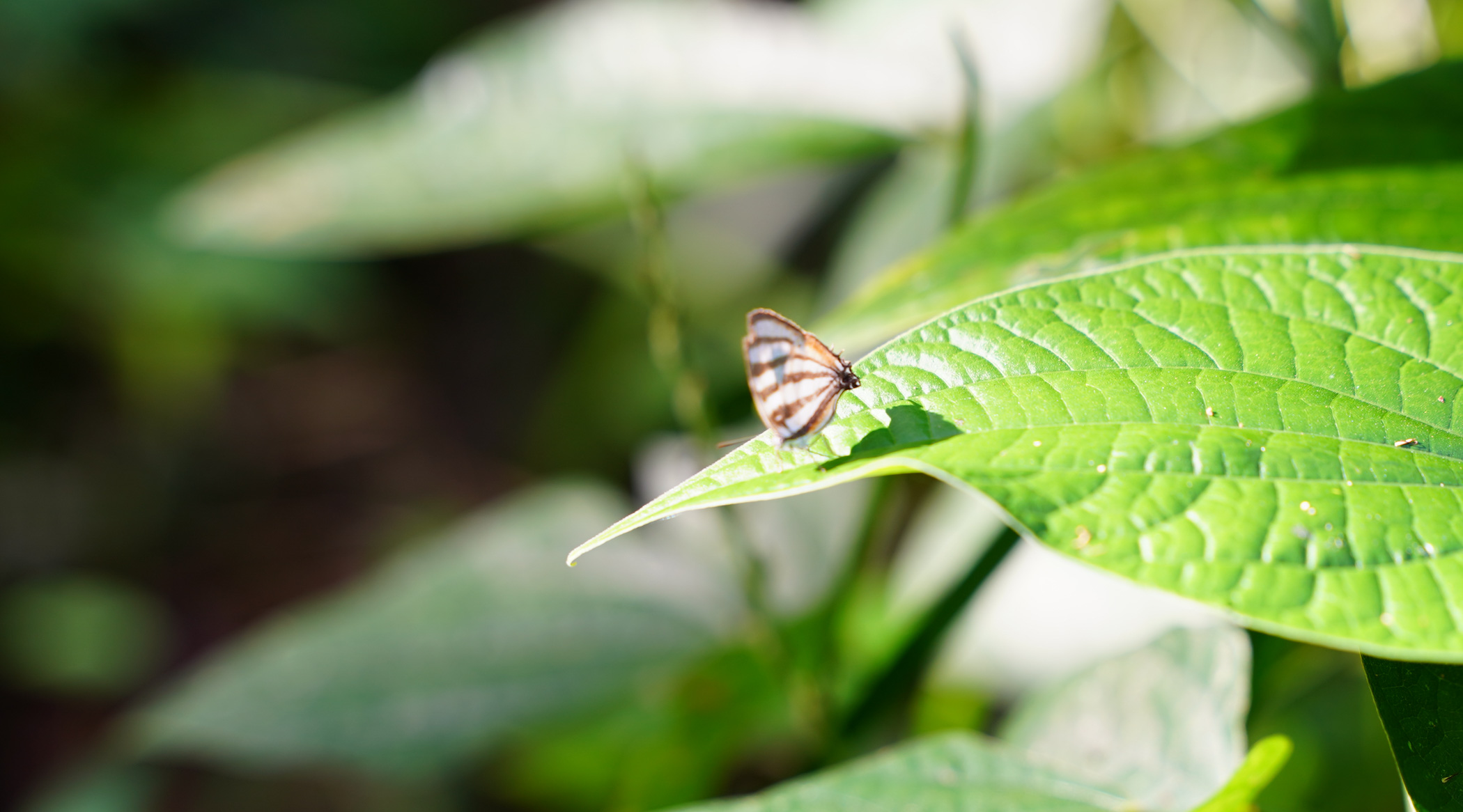
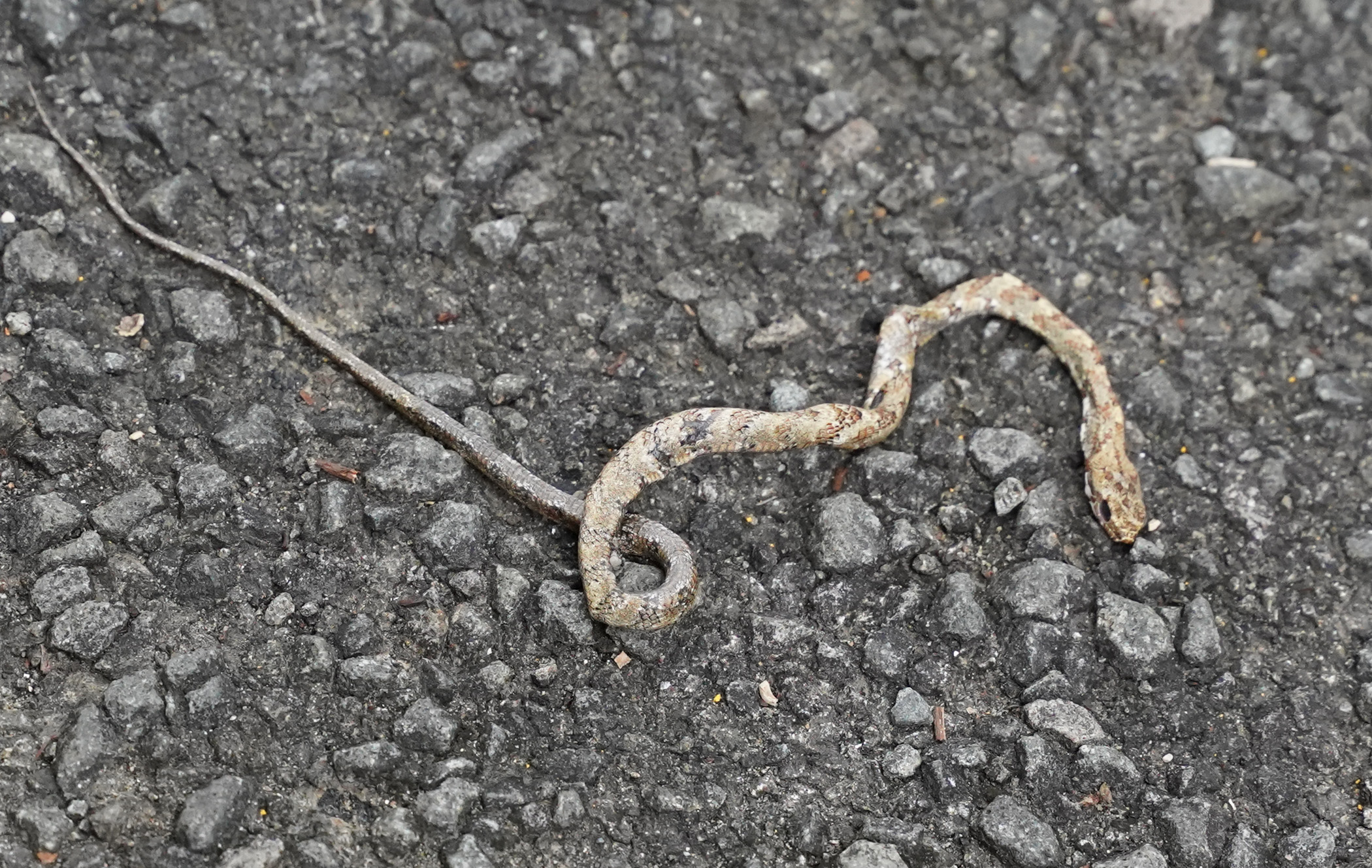
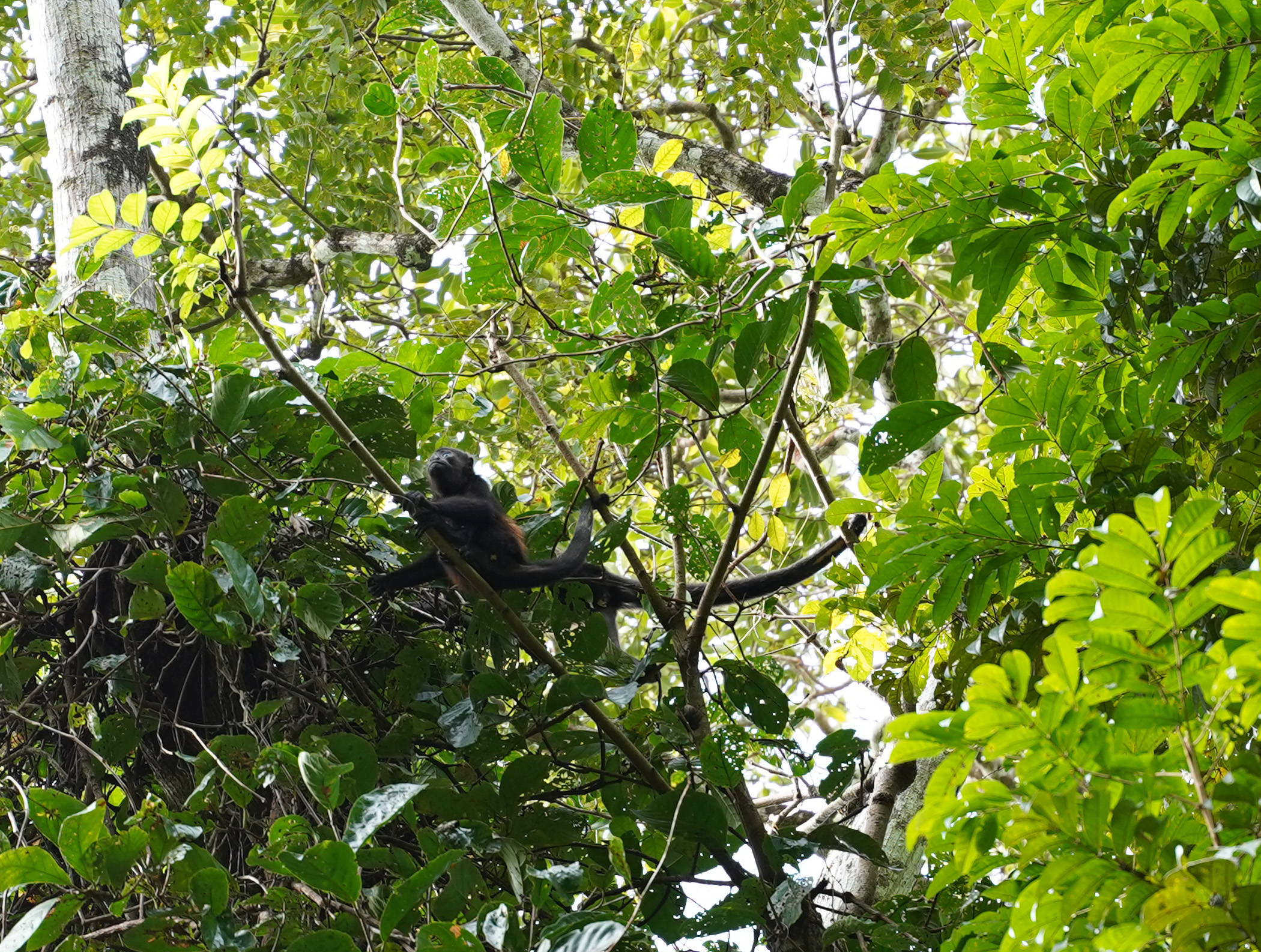
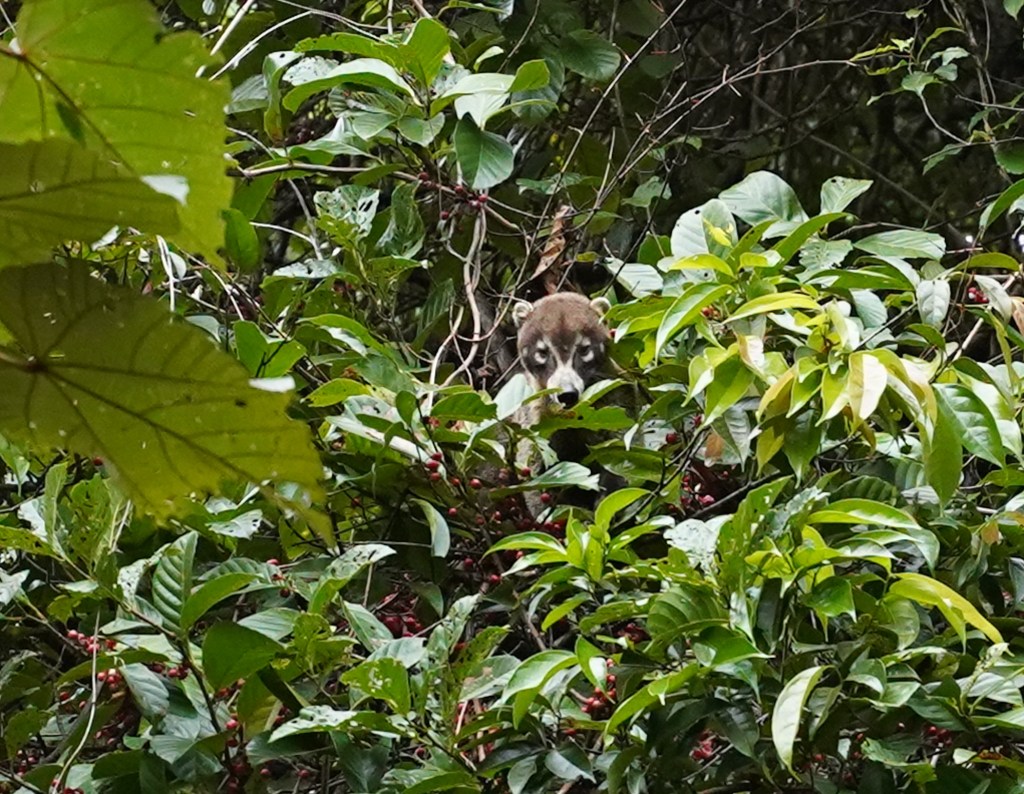
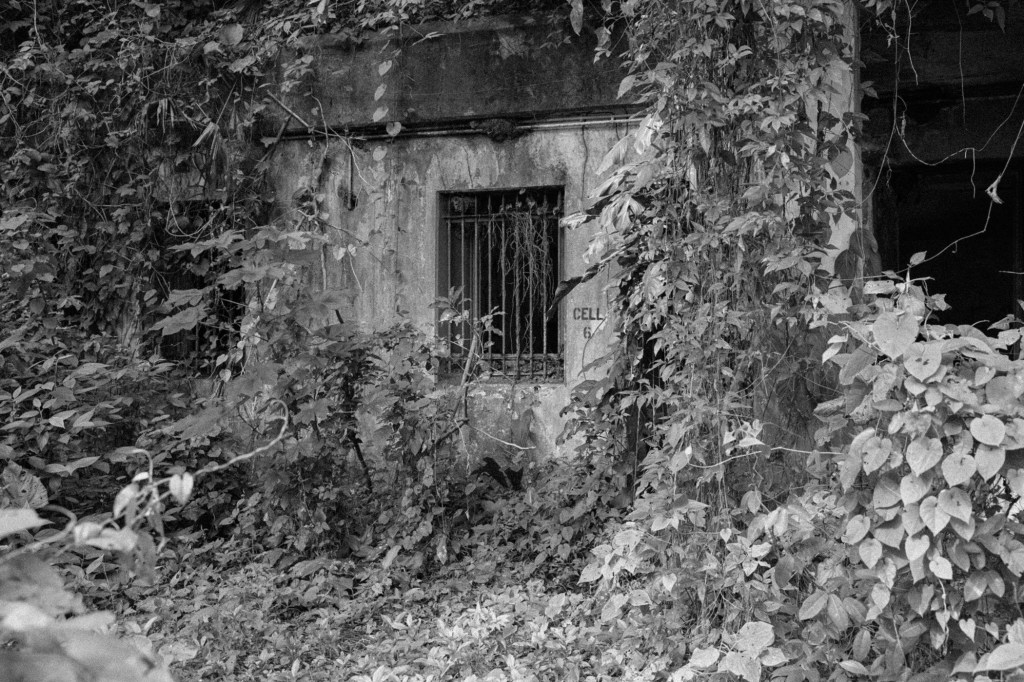
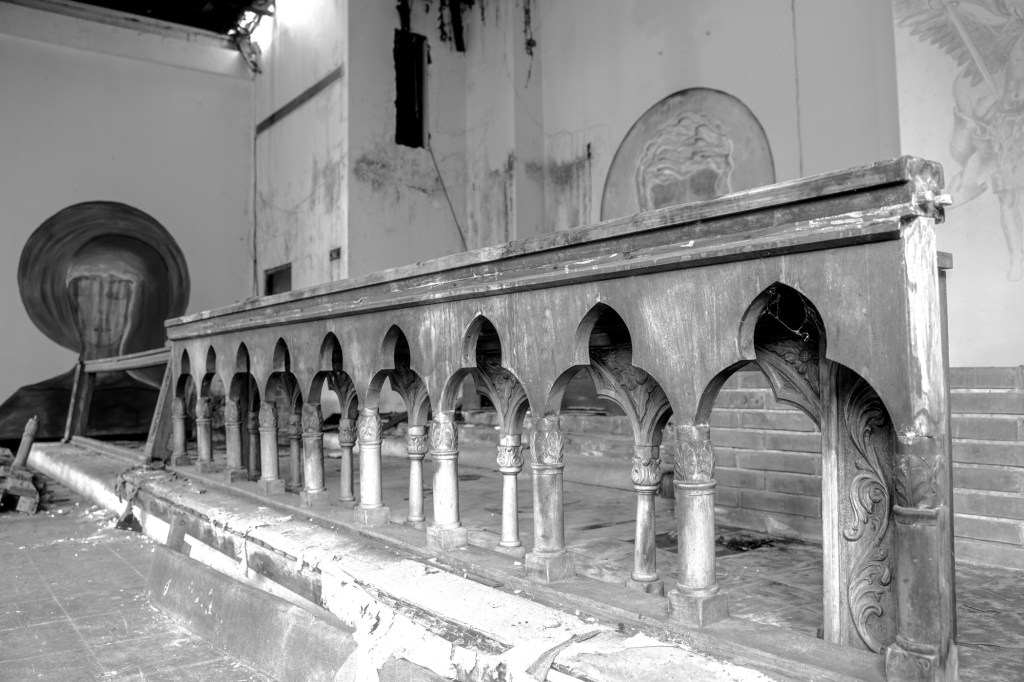
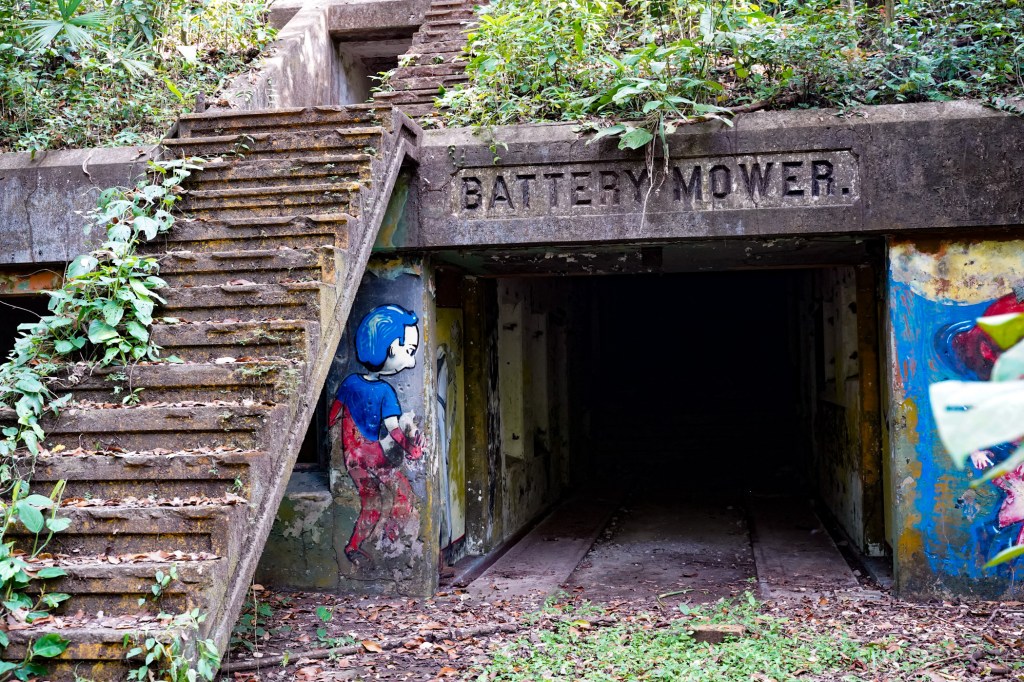
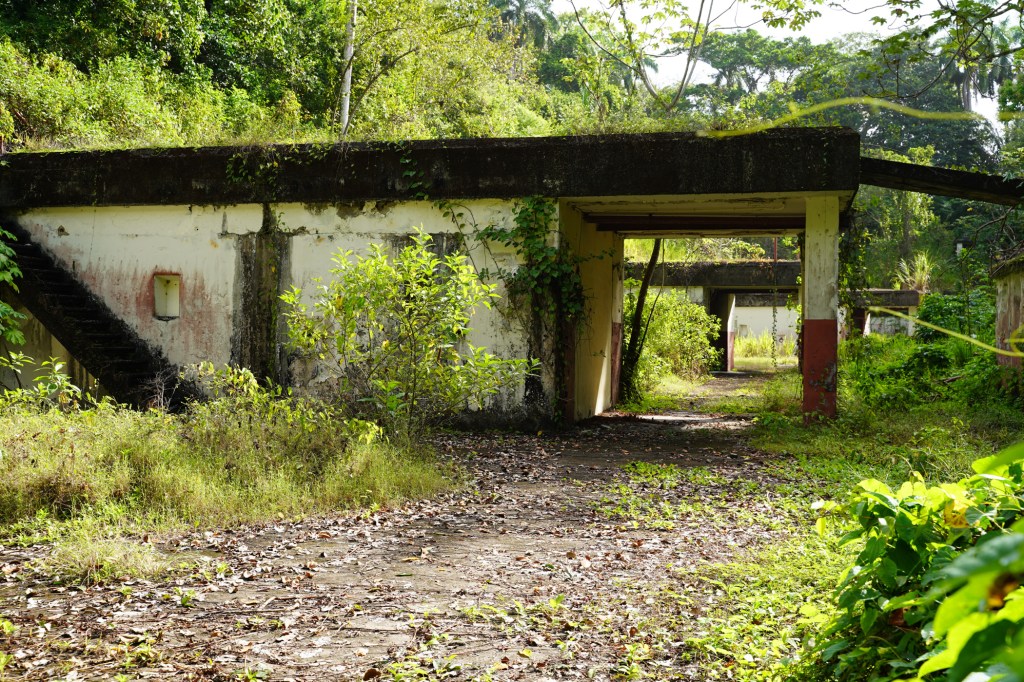
There are a few different paths that takes you to the beach and some ruins. Twenty years ago the area was a military base, with lots of different facilities, for equipment and residencies. I’m not exactly sure how it happened but all those structures have been abandoned for years and the jungle has taken them back. There are just few vestiges that still remain standing and some you could still see what they were but there is nothing being done -as per I could gathered- to rebuild or repurpose them. Could be interesting to come back in another 20 years or so and see if the jungle claimed all back.
Here are some pictures of what I am talking about.
Panama Channel Corssing
The channel crossing can be a book on its own. But I’ll try to explain. Some of you have asked me to write about this. So I’ll try to explain. If you have questions, let me know.
Why is this transit so important for us?
Basically it it’s the shortest way to cross from the Atlantic Ocean to the Pacific Ocean. If the channel didn’t exist we would have to sail 10 000 Nautical miles to go down to Argentina cross by the Cape of Horns and back up to Galapagos. It is not only the distance but also the difficulty. Sailing in the tropics with the wind is a lot easier than sailing out of the tropics where the currents, wind and temperature are a lot more difficult to handle. Happy Days would have had to go under a very different preparation to be able to stand those conditions.
How is the transit done for sailing boats less than 65ft?
There are several things that need to happen before, during and after the crossing of the channel.
Before the transit, It is highly recommend to take a local agent to guide you and support you during the whole process. The agent takes care of all the paperwork and also provides fenders, lines, an advisor and 4 line handlers (if you don’t have your own)
Once we arrived in Shelter Bay Marina we contacted our agent. He explained the whole itinerary and got started. First thing they did was to measure the boat. They wanted to ensure that they have the exact measurements even though they are all written in the official papers. Also they reviewed all safety equipment on board and once everything was in order we were assigned a number.
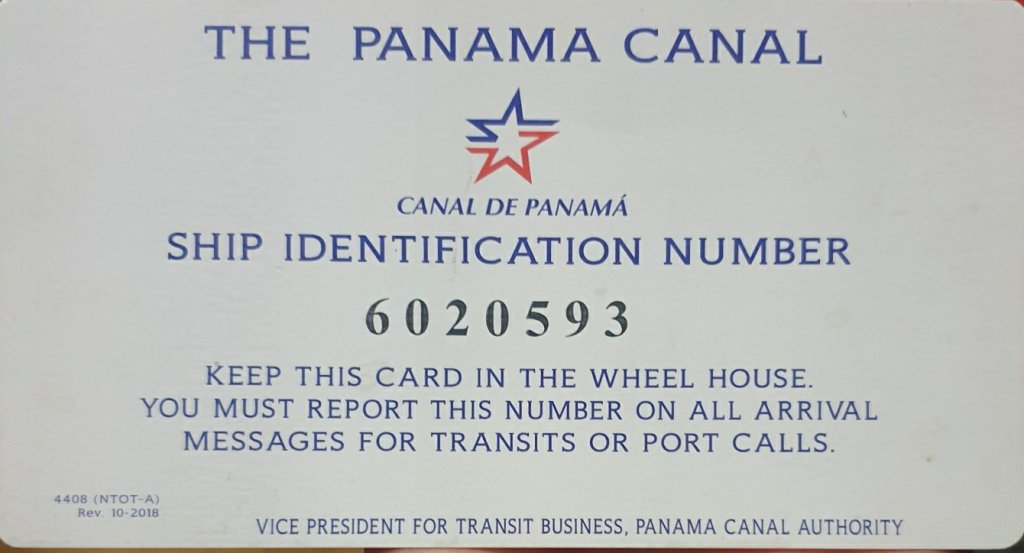
At the same time we had to choose which position we preferred during the transit. There are 3 options: alone, tide to another boat or side wall. We were recommended anything but side to the wall. Also we chose the date.
The day before the transit the agent sent us the lines and fenders and we confirmed we didn’t need line handlers as we had already our own. During our stay in Shelter bay, we met Claude and Pascale. Claude was Bosco on a famous oceanic research boat in charge of all surface operation. Let’s say, a very experience sailor. Claude and Pascale are staying around Panama, Shelter bay and Bocas del toro. As soon as they mentioned they could cross the canal with us as Line Handler, we though that it would make a great crossing with a full crew instead of hiring a few Panamanian. Etienne, a second, ex-skipper of a 56ft catamaran just missed the crossing with the boat he is working on, so he was also keen to join. With 3 experience, french line handlers and me, we were complete to hold the boat from each corner. I was not really looking forward to the line handling part, but Hey, as some one told me : “man up”.
On day of the transit, we were given a set of coordinates and time to be there just outside of the marina. At that place we were scheduled to pick up our advisor. We were told to get there anchor and wait. However, the manager of the marina recommended us not to anchor as there are a lot of cables underwater in that area and the anchor can get stuck. We didn’t anchor but that made a more difficult manoeuvre to get the advisor on board later on. The boat that drops the advisor is higher than Happy Days so to get alongside was really tricky. It didn’t help either that the day was grey with lots of wind and waves. At some point I thought we could get cancel because of the wind. But apparently they don’t stop for bad weather.
With the advisor on board we were complete. One captain, one advisor and 4 line handlers. A full french crew!! Funny enough everyone except Cedric and me had crossed the Channel several times already.
Everyone’s role is critical. The advisor is the one that gives the directions and coordinates all communications with the channel operations to know where should we go and exactly at what time.
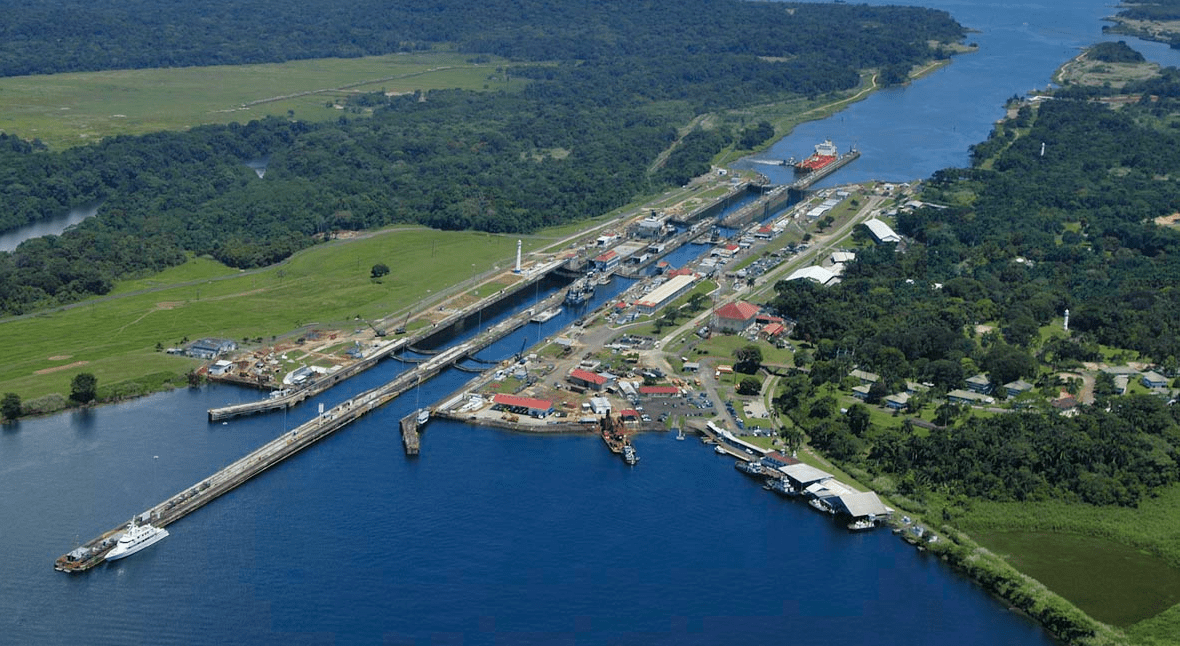
The Channel has 6 locks, 3 on the Atlantic side and 3 on the Pacific. Obviously, the main traffic of the channel are the big cargo ships. So the small boats like us (less than 65ft) go in the lock with one cargo. On the first set of locks the Cargo goes in front the sailboat and on the second set of locks to go down the cargo goes behind. Either way it looked pretty scary to see a huge cargo just by your side.
We had a delay of 2 hours, we were supposed to passed at 5:30pm and we were reschedule for 7:30pm which is the last boat scheduled for the day in that direction. That is what our advisor told us. There had been a problem in the schedule of the boat that picked our advisor up and that was the cause of the delay.
So we entered the first lock at 7:30pm after a huge cargo PIS POLARIS, which we saw passed as he had to go in first. PISS POLARIS had a bit off difficulty going in the channel. Therefore the tugboat that initially was going to go on our side had to stay behind the cargo help pushing him in, that mean we were on our own.
Once in the lock every step has to be well coordinated and everything happens fast. As soon as we were inside the lock, they immediately closed the doors behind us. 4 channel operators 2 on each side sent the “messenger lines to us” the 4 line handlers had to catch those lines and tide them up to our “tie lines”, then the 4 operators pull our lines and tide them up to the mooring bollard on the side walls. That gets the boat tide up and line haddlers have to pull the lines as the water goes in the lock and the boat starts to be raised. The opposite happens on the lock on the other side. Line handlers have to release the lines as the water starts going out and the boat coming down. I’ve include a small animation that will probably help you to better understand.
The transit was done in two days, on the first day we went up the locks and sttoped at the top at Lake Gatun for the night tied to a mooring. The advisor got pick up and left.
The following morning, we got a new advisor on board at 8:30 am and he stayed with us for the rest of the journey. 27 miles motoring on the Lake which was really nice landscape and then the 3 locks to go down on the Pacific.
Finally, we stopped close to the Balboa yacht club to give back the fenders, lines and our line handlers. From there it was just us, so we went and anchored at Las Brisas and relax for a bit.
I have to admit that after hearing so many bad stories of transits, possible accidents etc. I was very stressed during the transit. So grateful we had great sailors helping us and everything went just fine. Both advisors were very committed to their job and worked together with the captain and crew as one team. And as a very experience sailor told us after, “it is not that difficult, you need to have a good Capitan that knows the boat and everything is fine”.
I made a video of the whole passage, it is quite an impressive engineering masterpiece and you can see a bit of that there. Enjoy!
Happy Days crossing the Panama Channel—video
Panama City
We couldn’t leave Panama without visiting the capital. We were so busy between repairs, provisioning, the channel crossing that we almost had no time. Yes, this life gets busy too and some times there is not enough time to keep exploring an visiting. Also we got a bit sidetracked by a laptop that decided to die on us with lots of important info in it. After several attempts and calls we did find a place that recovered the data and got the laptop back to life. Well partially because all programs were gone. So as courtesy of the extra time they took to take care of it, even though we paid for the express service, they installed the basic Microsoft pack so we are back in business.
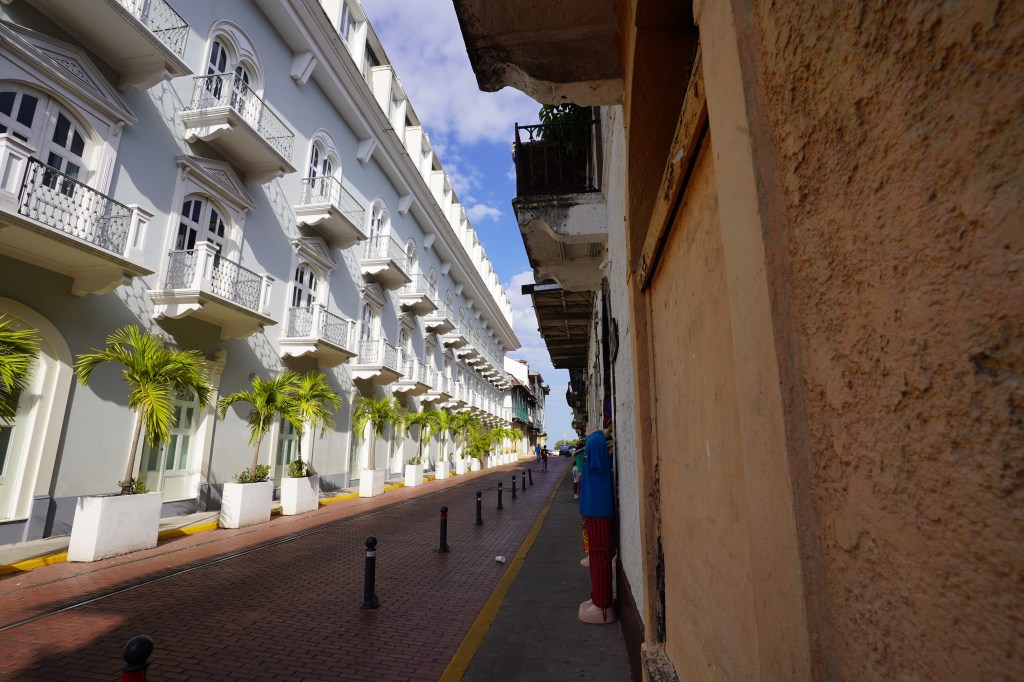
All this to say that on the last day in Panama we went to the old quarter of Panama City. founded in 1673 after the original Pacific settlement (Panama Viejo) was sacked by the pirate Henry Morgan. It remained the center of Panamanian life for nearly 300 years, until the 1930s. But after it started to decline as suburban living was more feasible and downtown living more difficult. Also, the fact that the boundaries of the Panama Canal Zone, which was off limits to Panamanians, were drawn so as to pinch the Casco off from the rest of the city, leaving only one narrow road for entrance and egress.
It was only until late 90s when the UNESCO recognise the Casco Viejo as world heritage because of the eclectic collection of architectural styles and Panama’s historical role as a world cross roads. Each architecture style represents a boom in inter-oceanic trade through the Isthmus. It was only after the US gave back the canal to Panama that the public and private sectors have restored historic buildings that now house government ministries, museums, the Presidential Palace, embassies, churches, as well as some of the City’s finest homes, bars and restaurants.
There is a lot to do still so right now the contrast between buildings is huge. You’ll find a brand new restaurant besides a building in ruins. In addition the pandemic has also caused a lot of businesses to closed down so walking by the “Casco Viejo” was a double sided experience fascinating but also like walking thru a haunted place.
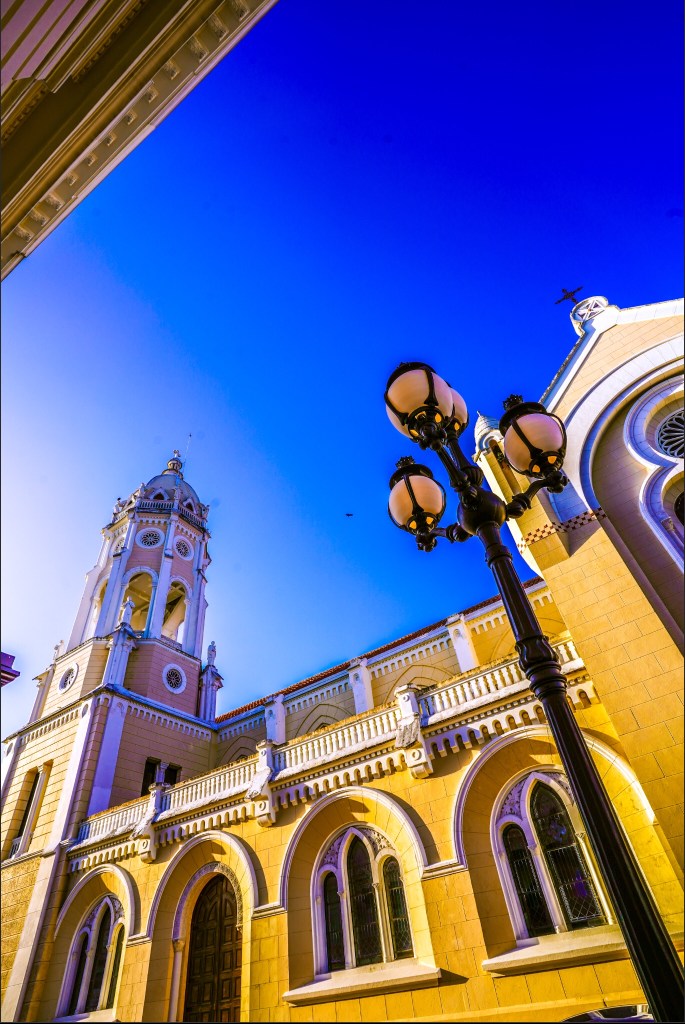
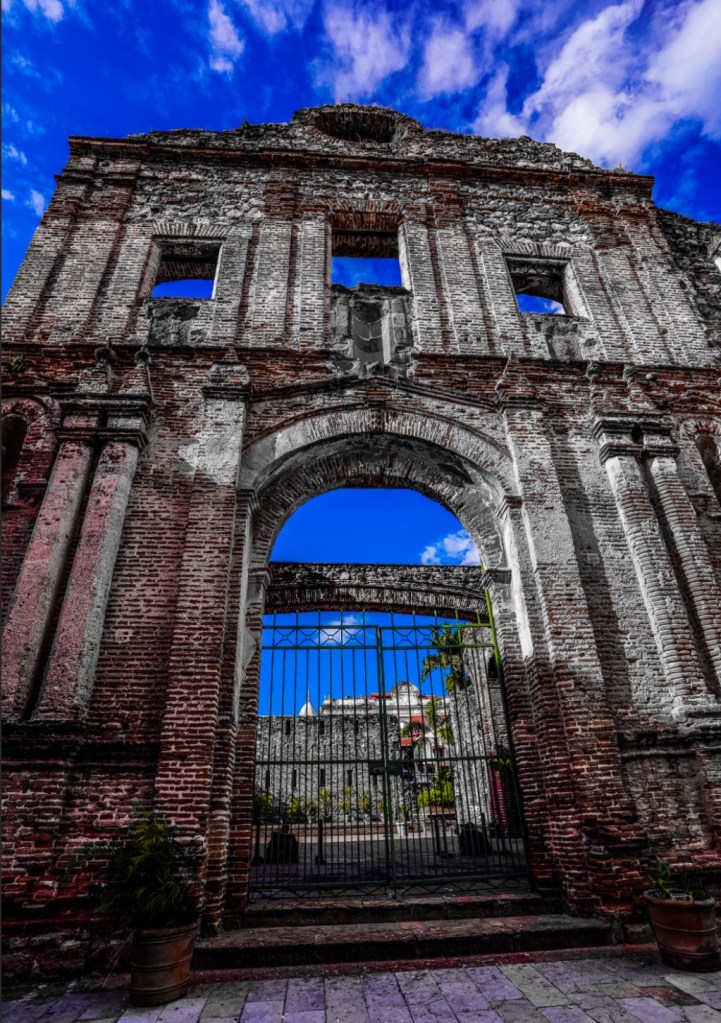
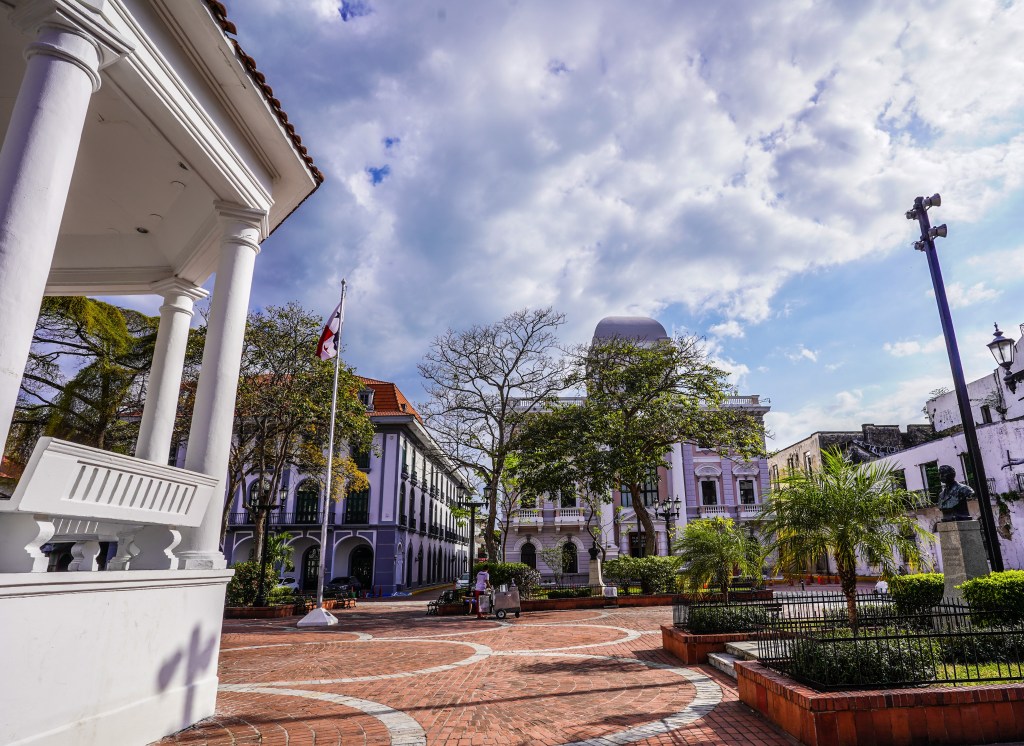
So what happens next? We need to get final preparations, I know I’ve been talking of preparing plenty…but remember up to a 60% of a project success is in the planning. So anyway, few more details to get ready and then going to Galapagos. Our permit has just arrived!! So we will need to do the PCR test again and then we can go.
 Happy Days
Gracias por compartir, entendí perfectamente la cruzada del canal. Me encanta ru foto con los encarguitos por internet. Afortunadamente encontraran in bien plomero. Yo no soy boatie pero entiendo perfectamente eso de las goteras y mas en un baño.
LikeLike
Gracias… stay tuned!!!
LikeLike