Warning!! Lots of suspense in this blog
THis is a long ride, take time and enjoy
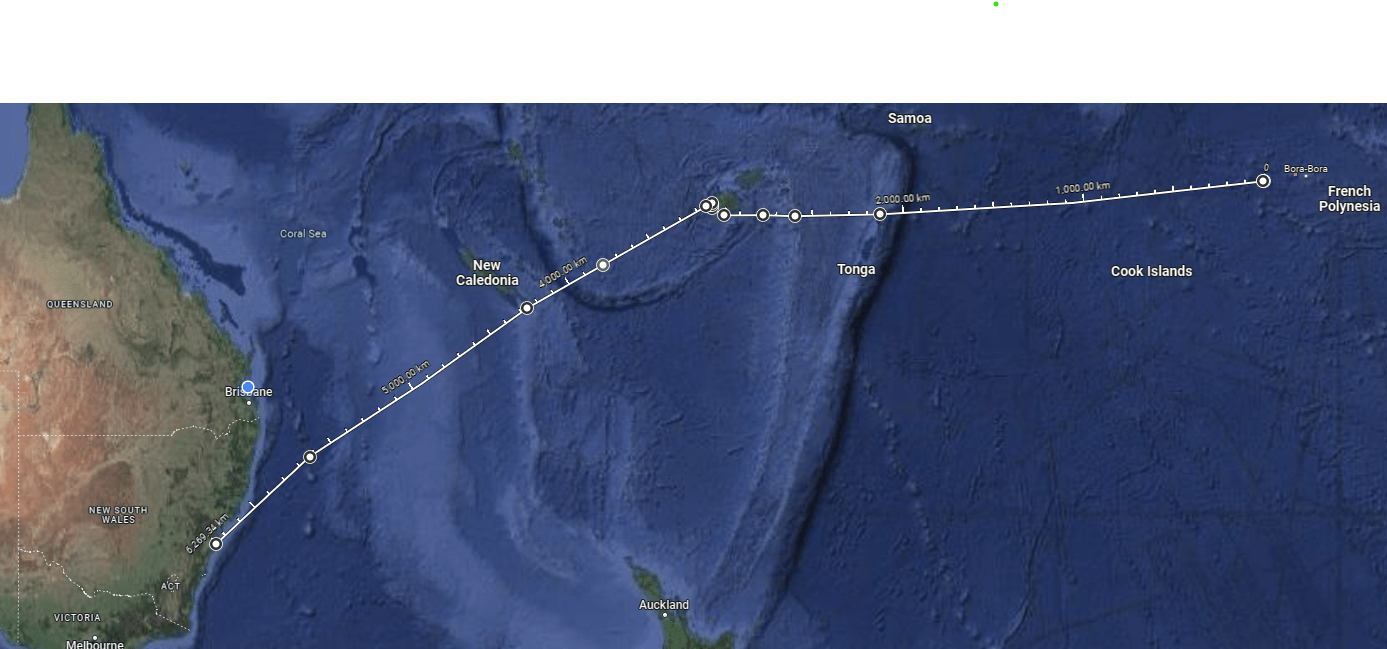
This has been our longest crossing ever!!! And will probably stay like this forever. I’m sure the pandemic has caused you to change and adapt in different ways. Well for us, we had to sail from French Polynesia to Australia, only two onboard, 30 days at sea!!! It wasn’t easy but we are extremely grateful and happy we made it.
I would say it was a 30 day crossing, but Cedric says there were two crossings one of 14 days, one of 11 days and 5 days stop. But we did not set foot on land for the entire time, so I still think it is a 30 day crossing. Maybe even 31 days as per the calendar, because in the middle of the journey we crossed the time and date line so we lost a full day.
Part 1. Bora Bora to Mopelia (23-October-27- October)
In Bora Bora, waiting for Fiji’s decision, we decided to keep moving and we went to Maupiti.
Maupiti is a beautiful island, only 11 square kilometres of land. Stunning seas and mountains. Such a lovely place, very authentic and protected with a coral barrier. It only has one very small entrance at the south. The channel is very narrow and 4m deep at some points. More than 50% of the time the weather is too strong for sailing vessels to go in or out.
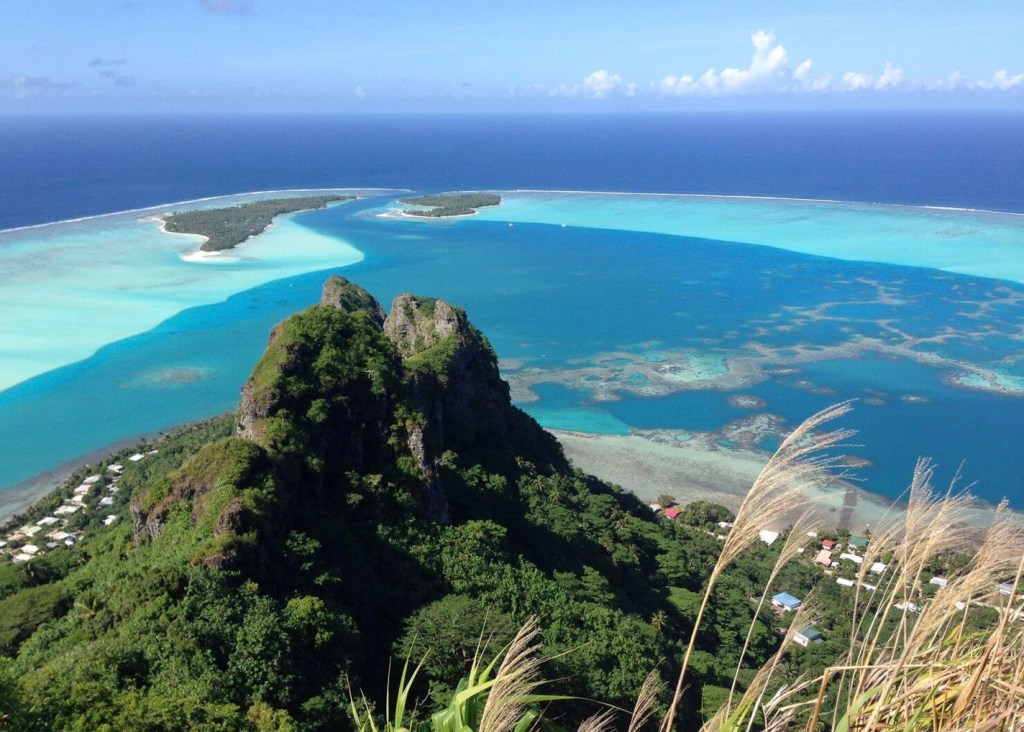
The entrance to the lagoon is very narrow and shallow, so you need to arrive on the proper tide, and wind. Otherwise it could be a recipe for disaster. We heard so many stories of boats not being able to enter or even worse getting damaged on the way, while trying to attempt the narrow pass. Last thing we needed was any damage before thousands of miles ahead .
All the way before we arrived it was raining crazy, grey skies, you could hardly see far in the horizon. We arrived almost in front of the pass, and even though we were very close to the entrance, we could not see how we were going to get in the lagoon. The waves looked big, and they looked like a continuous line. The question was still remaining…where is the pass?
By noon, the Capitan did all the calculations again, read all the weather forecast predictions, looked around and decided it was a good time to go take the pass.
I wish I could have recorded, (maybe someone has done it already, I need to check youtube), but I can tell you it is very scary. A rollercoaster seems easy compared to that passage. It goes really quick, we took 10 to 15minutes to go through, but you see the waves breaking on both sides, engine full power, Happy Days surfing the 1.5m swell and only going 3knots because the current is super strong coming out. It is very well marked which helps a lot. You need to align well the 2 pillars strategically placed to guide you. You can see waves breaking everywhere. The timing was perfect and we successfully got inside the lagoon and anchored before another big rain. It was a miracle we were there at the right time, perfect visibility, for 30 min and then cloudy again.
Normally, there aren’t many tourists going to this place and with COVID even less, so we were welcomed by the locals with a big surprise on their faces. They haven’t had boats for over a year now.
The weather during our time there was consistently wet, with frequent rainfall. Despite the rain, we were fortunate enough to have some glimpse of sun that allowed us to go snorkeling and have an incredible experience swimming with two large Manta Rays.
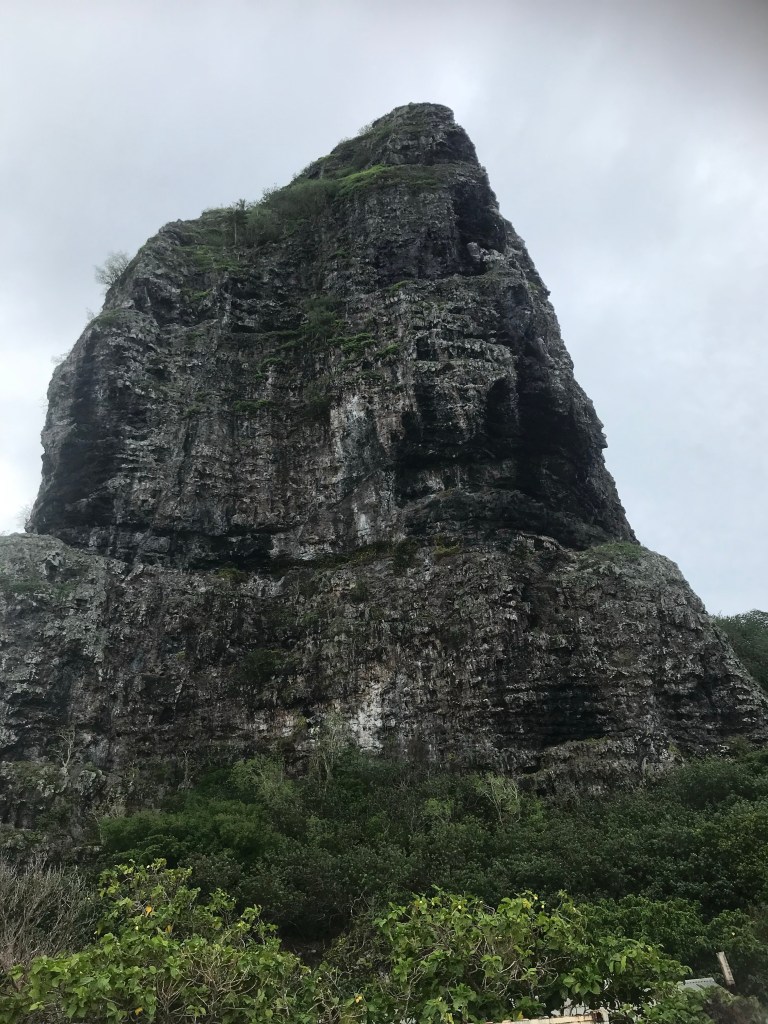
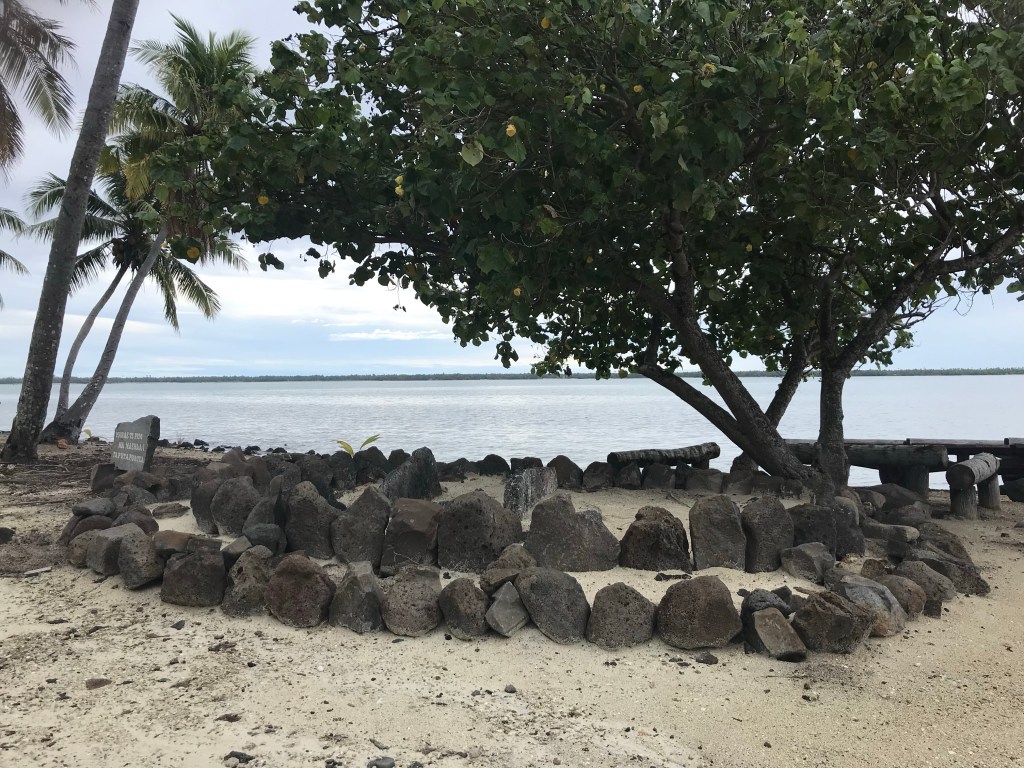
During our visit, we explored the island and managed to make the most of the breaks in the rain. We also took the opportunity to embark on a 10 km walk around the island, which showcased its beauty even under cloudy skies. One interesting aspect of the island is the way they cultivate various fruits and potatoes in different areas, which are shared among the community. It’s a unique and communal approach to farming where you can freely pick whatever produce you need. Planted in the 60s by the council, there is a belt of mango trees on the slope of the mount behind the town. A bit further a large area is arrange to continuously grow plantain and another one is full of manioc. Pick from there as you need then replant or maintain the area.
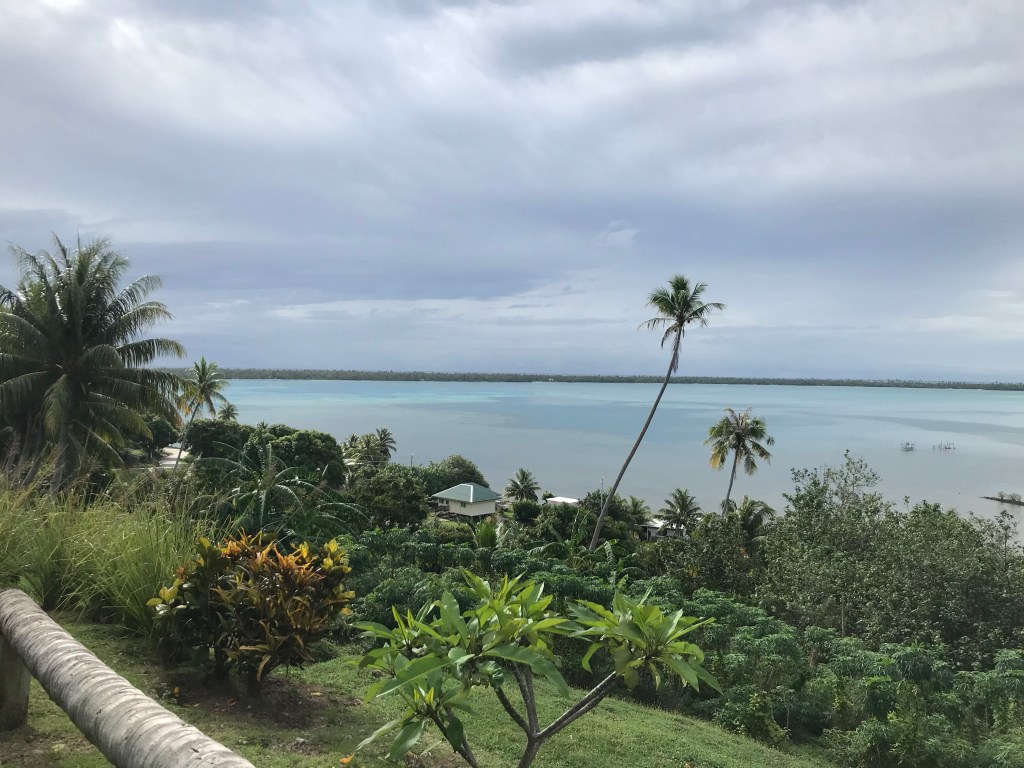
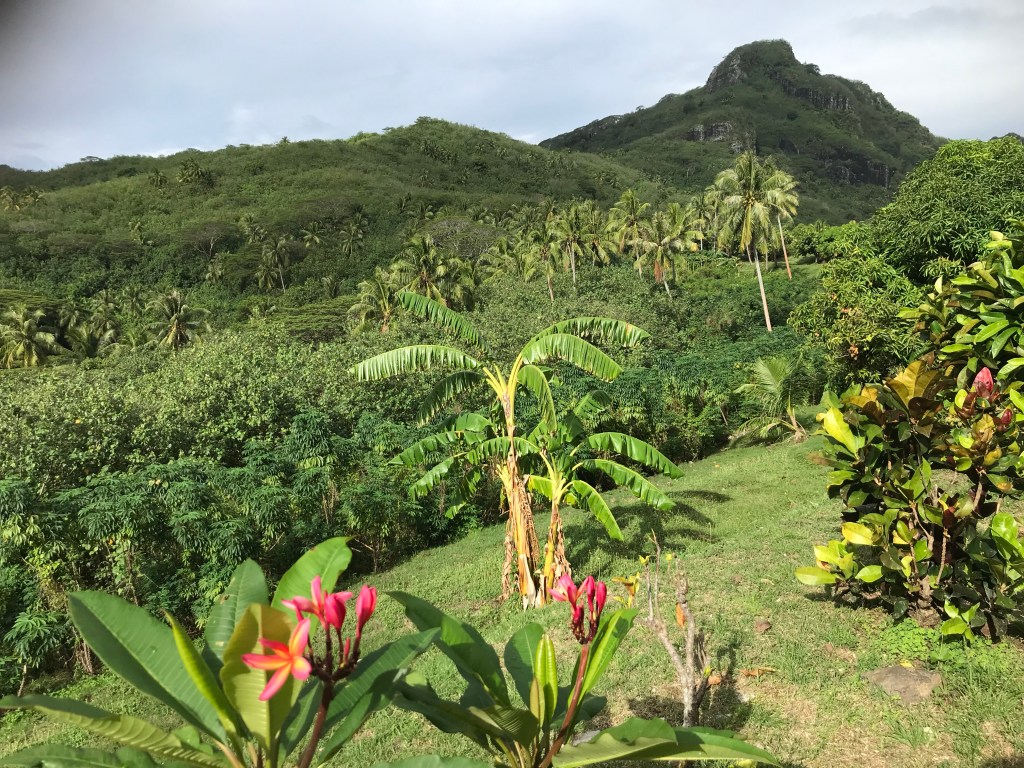
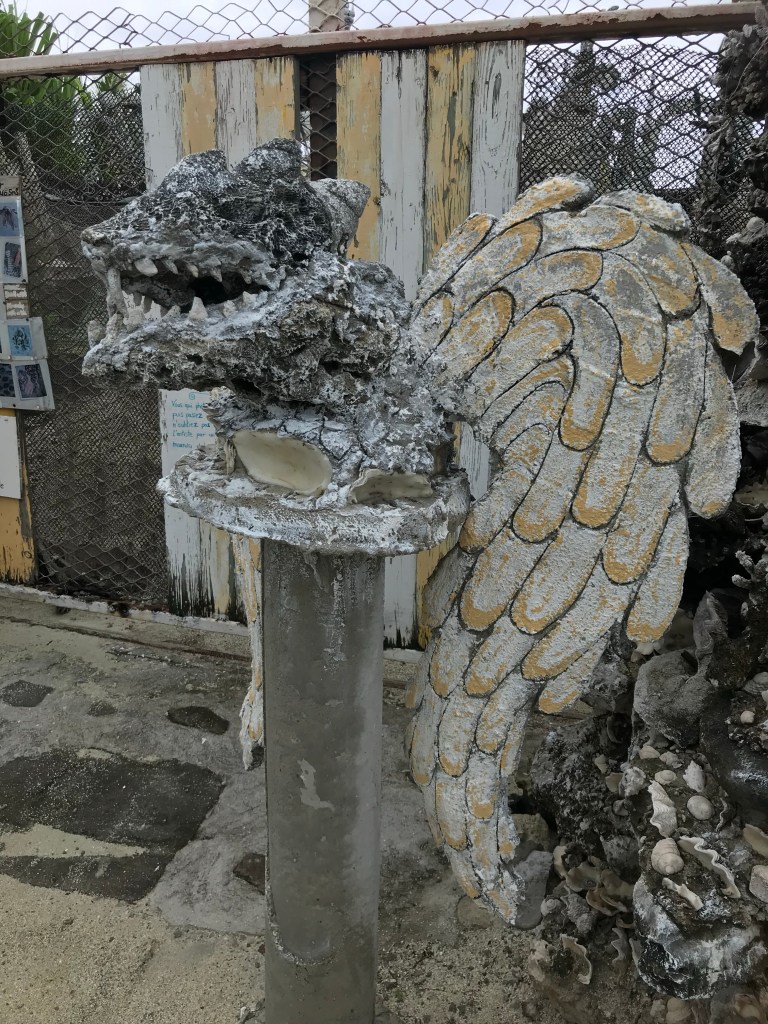
Still no news from Fiji, only that they were reviewing our application.
Maupiti is a gem, absolutely beautiful. We could have stayed longer there, but we had to keep going – still within our 100 days to Australia goal. So in the afternoon of October 25, we picked up the anchor and left. Once again weather conditions were on our side to have a good and quick exit. With the engine on, we were doing 1 or 2 knots but the speed at the bottom of the boat, showed 8 knots. The exit was probably as stressful than the entry, maybe even more, Cedric had to helm looking in front and we were back to back while I was looking at the alignment of the markers and telling him which way we should go to keep us align with markers.
Vídeo XXX
Later in the afternoon the wind die so we had to run the engine all night and by lunch time the next day, we were in front of the pass of Mopelia, the last island on the west side of Bora Bora.
Once again we were on a decision point here, we could continue with no wind for the next couple of days or we could go inside the lagoon and wait a couple of days for more wind to continue sailing. No wind means using more fuel, entering the lagoon means taking all the risks of getting stuck inside the lagoon, unable to leave if the weather changes. There are always compromises.
I initially believed that the entrance of Maupiti was quite narrow. However, upon encountering Mopelia, Maupiti appeared significantly larger in comparison. Mopelia proved to be narrower and a greater challenges. Fortunately, the visibility was exceptional, which worked to our advantage. We made the decision to enter and patiently await for the wind. Crossing the pass very quickly, we were greeted by an idyllic, serene lagoon painted in perfect shades of blue. On the island, only 4 families live there, and during our visit, in the family in front of our anchorage, only one gentleman was home while everyone else was away. He kindly welcomed us and regaled us with numerous captivating tales.
We checked the Iridium mail, over and over. Still no reply from Fiji, what next … The good news was there was a good chance that by the 1st of November Australian citizens (like us) would be authorised to enter Australia and no quarantine was required.
We enjoyed the company of a few sharks that came around the boat to check us out and also a couple of mantas. Snorkeling was pretty amazing, even with a bit of rain and overcast ski. Not so great for our solar panel though.
The stop was also a good thing, because the lazy bag had broken on one side with the strong winds from the previous couple of days, so with the boat at anchor, it was perfect timing to fix it. A working lazy bag is always good but especially with the journey ahead. In those pacific big swells, if you drop the main urgently, you really want it to stay on the boom. A mainsail drop would only occur as we are reducing sails, in stronger winds, so not a great time to have a free sail floating around. So we took the time to fix it.
The weather forecast had announced the wind was going to pick up in the afternoon of the 28 October, so we had made plans to leave at noon. I was awake at 2am because I heard a lot of noise, but we knew from the weather forecast that the wind would come only by noon so I went back to sleep. Surprise, surprise!!! By 4am we were both woken up with the sound of 20 knots of wind and stormy rain. There was not much time to wait, we had to leave. If the wind turned in the wrong direction we would spend days locked inside the lagoon not able to go out. The Capitan checked and double checked the weather and at 10am we said goodbye to the only habitant in the island from a distance as we picked up the anchor and motor out. We had our own trace from when we came in, which helped a lot, because the visibility was really poor. At least with the track we knew we had more than 2.5mts depth and Happy Days was going to be safe.
Part 2- Mopelia to Fiji (28- October-9 November)
We flew out of the pass even faster than in Maupiti, we easily had 7 to 8knots with no engine, not an easy job for the Capitan to helm through that.
We were still running on a tight schedule. Day 46 of 100. We had to arrive in Australia before 1st December. And still 3300 miles to go. So we had to keep moving even without getting Fiji’s reply.
This leg was a total of 14 days, which ended up being very smooth, as perfect as it could be. We did 135nm to 150nm in average every 24 hours. Started with full mainsail and jib, 15 to 20 knots of wind going west and making miles. Then the wind increased 20 to 25 knots so we took a reef. By day 4 we started to go more downwind and still going west. Sailing down wind makes Happy Days a bit slower but at the same time a lot more comfortable.
I had my patch on , such a great saver for my seasickness. I’m so grateful I discovered those patches in Gambier and I had a good stock of them with me. I was feeling really good except for the terrible sore throat and horrible cough that I had for a couple of days. Although I had tested negative three times before leaving Bora Bora, I still couldn’t help but think, “What if is COVID? What if I get really sick? what if I can’t breath”. We were absolutely in the middle of nowhere. But nothing happened, some strong ginger tea, honey and I recovered in a few days. My voice took a bit longer. I called my sister for her birthday and with that voice I’m sure in the back of her mind she was thinking the same.
We kept our rhythm of watches, which was even more important around there because we were passing close to islands, like Tonga. And being close to islands can get dangerous. Tonga is the place where I started sailing back in 2008 and also where I completed “my” tour around the world (maybe, I’ll write another blog on this one day), but this time we couldn’t stop. We hear stories of boats that tried to stop in some remote islands, but were not welcome by the locals. COVID was still a threat and for them, foreigners were the carriers of COVID.
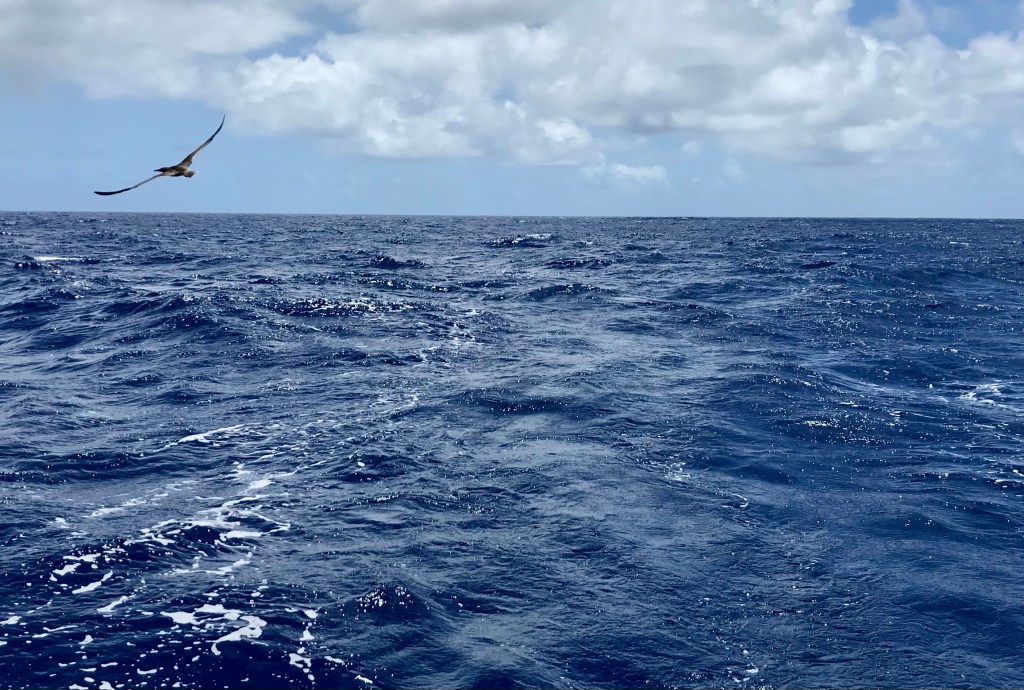
We had a few birds visiting and going with us for some parts of the journey and on day 9 of the crossing we had a delightful surprised by welcoming a 9kg tuna. We had the lines out every day and had a few bites before but didn’t catch anything else until then. One day we accidentally left the fishing lines out at night and something really big… a fish or a shark who knows what, just snapped the line with the hook and all the line. But on day 9, we finally caught a fish!!! This was truly fantastic news since our supply of fresh food was getting smaller with each passing day.

November 8, was a day that did not exist for us because we crossed the date and time line. Therefore, we lost 24 hours. On Tuesday November 9, we saw land. It was a very clear day, which made it look like we were very close, but we had to sail for another 24hr to reach land.
November 10 at 1800 hours we arrived in Fiji into the quarantine area. Yes!!! After 14 days and 1675 miles we arrived! We were on day 61 of 100. Still on schedule for Christmas in Sydney!
As soon as we entered the bay the navy contacted us by radio and they instructed us to remain onboard and don’t go on land. The restriction in place because of COVID was that every sailboat arriving was authorised to talk only to its designated agent. NO contact with the marina, or any supplier, nobody else, only the agent. Therefore, we tried to contact ours without luck. By the time we were finished anchoring, we were so tired that we just had some energy to have dinner and straight to bed. We slept 10 hours until late the next morning. I was convinced that by then our transit permit should have been ready and we were going on land, no doubt the next day. Cedric was less optimistic. How little did we know!!!
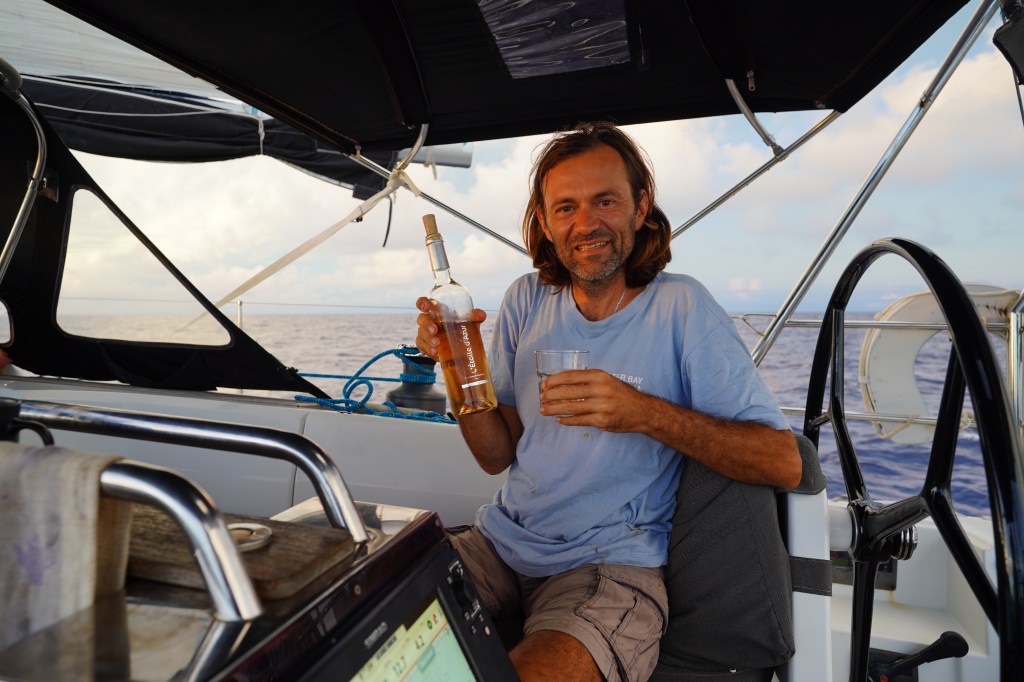
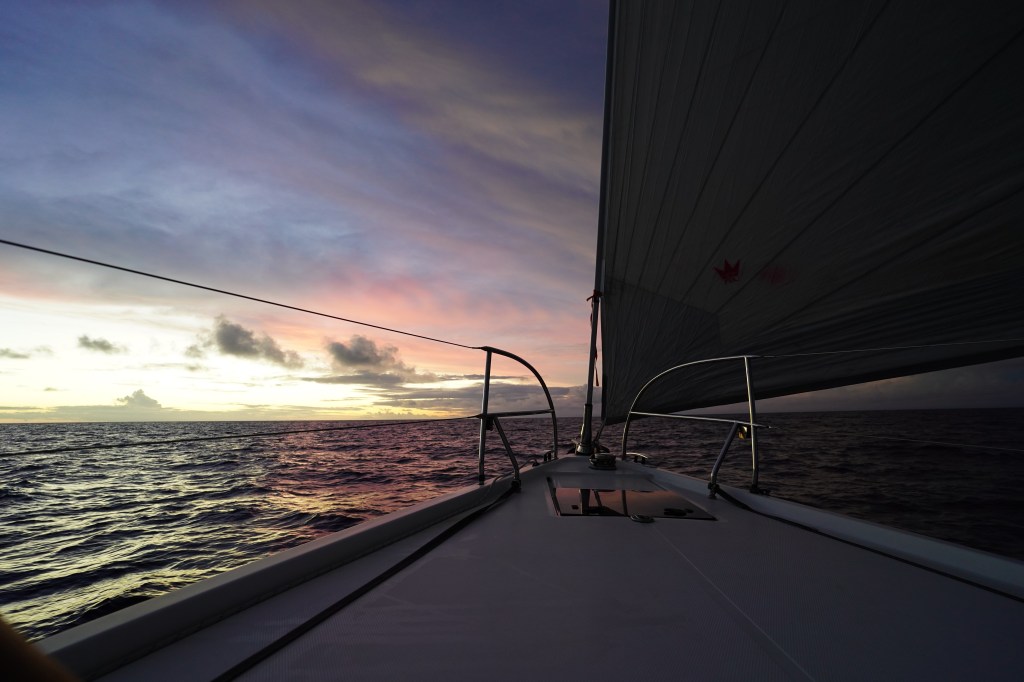
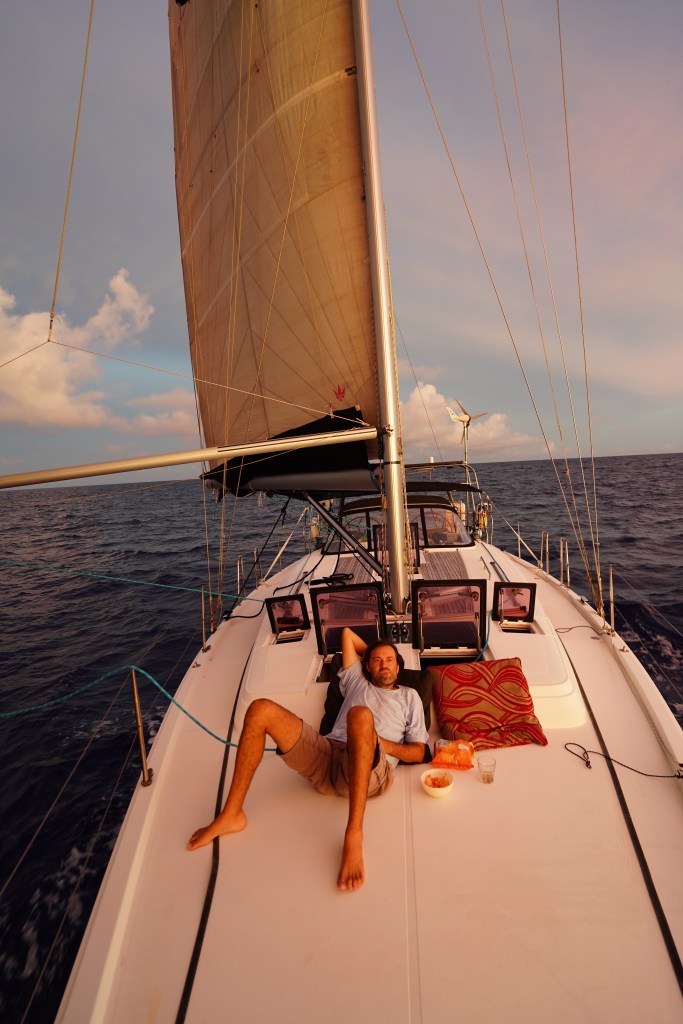
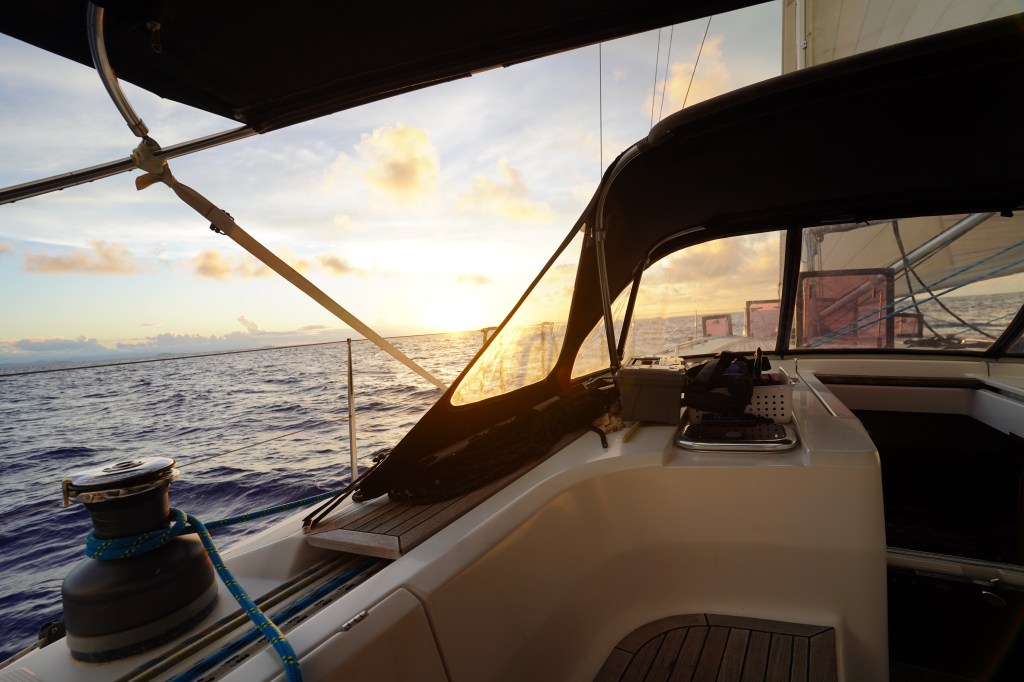
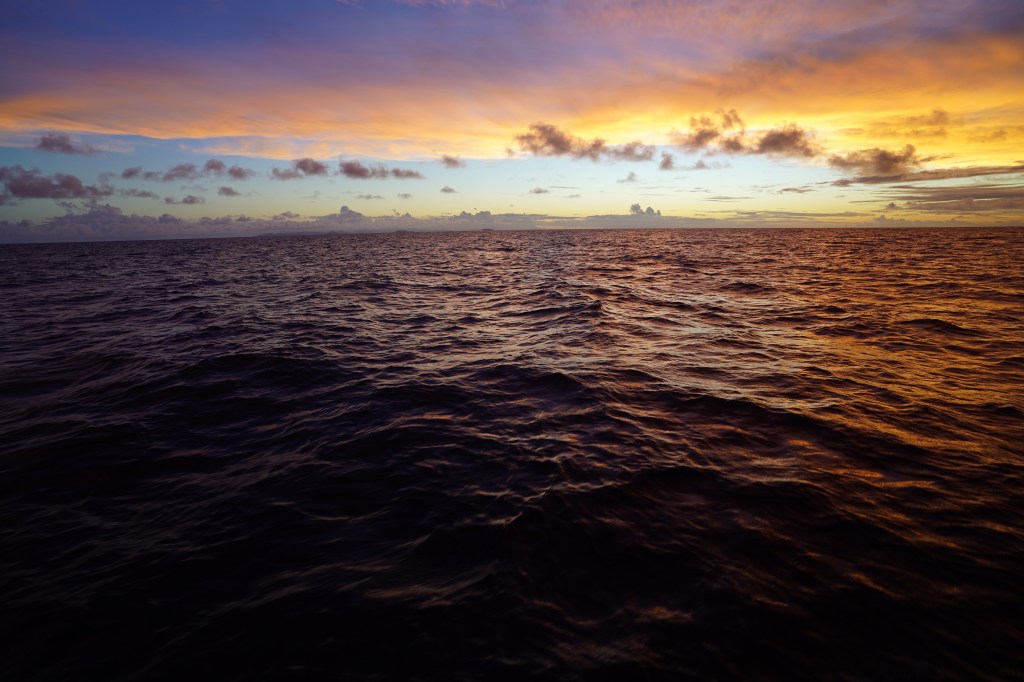
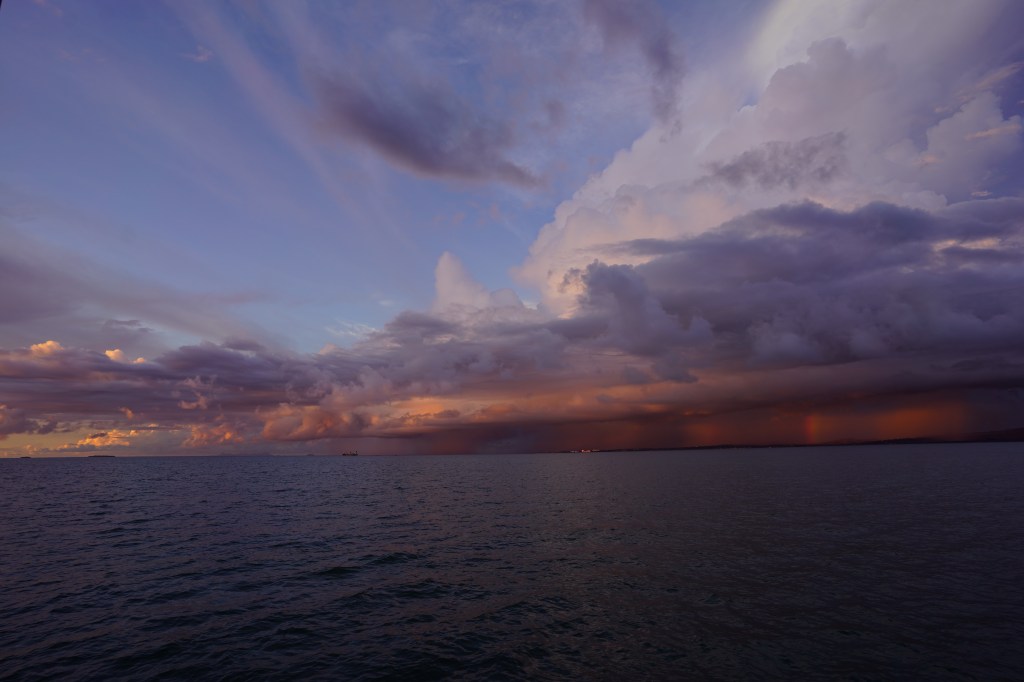
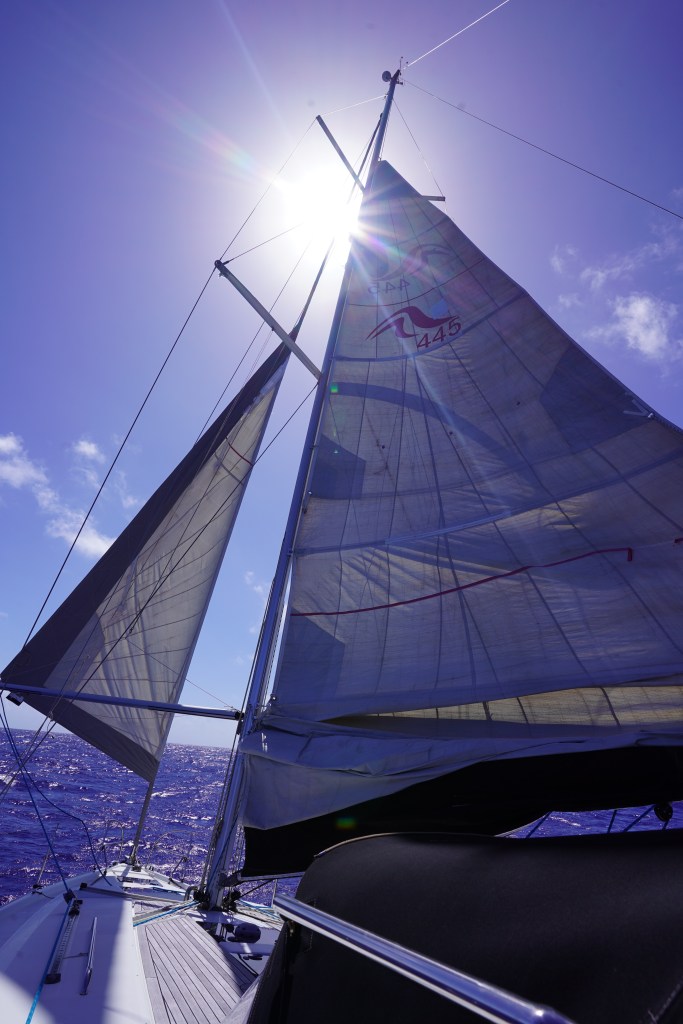
It was a good crossing, here are some pictures
Part 3- Stopover in Fiji (5 days)
As incredible as it sounds we arrived in Fiji and our permit for transit was “still in process”‘. It was completely ridiculous, we had been in contact with the agent in Fiji since September. Our plan was to get our charts, fuel, fresh food if possible and go. We had enough food in cans, well stored for 2 months or more. But even for that we needed a transit permit.’
Remember our “original” plan wasn’t going all the way to Australia, so the original charts containing the maps that we use on the navigation system was ending in New Caledonia.
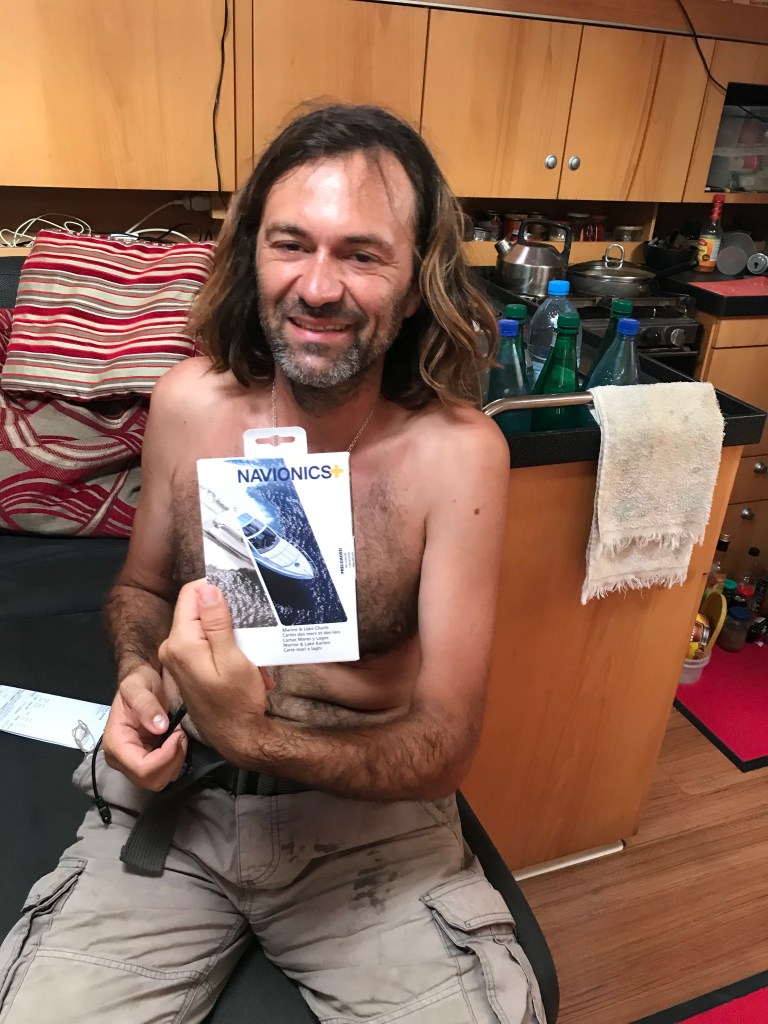
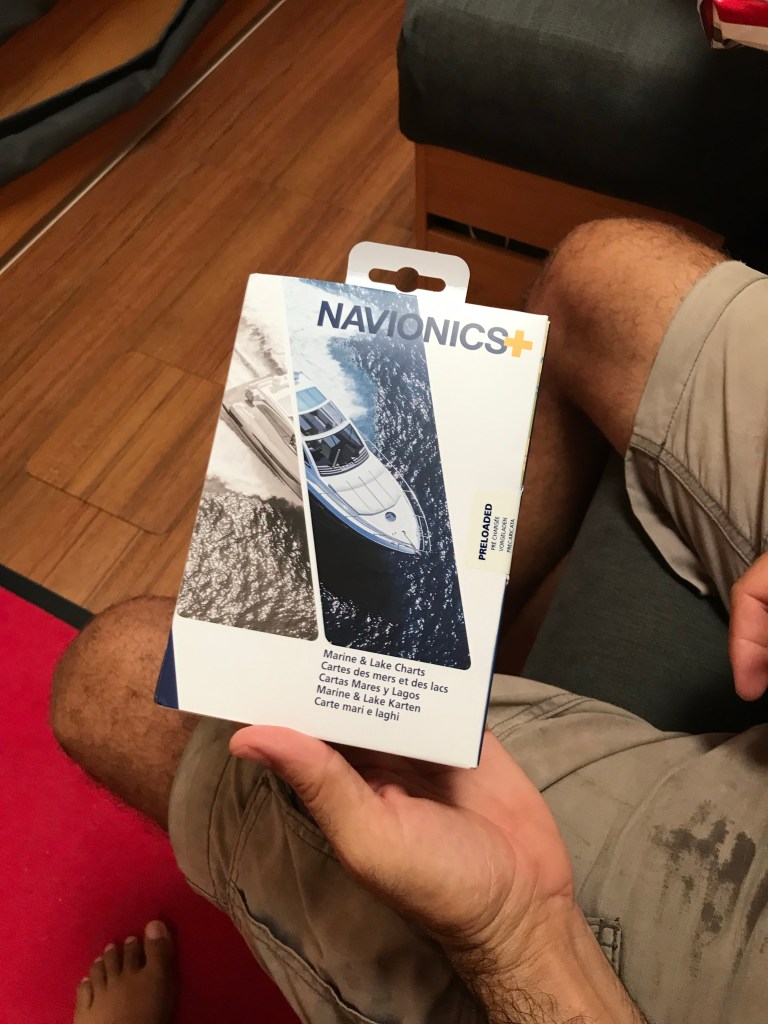
Can you imagine that? we are going so far away that the map is finished!! No more map!!! We could used the paper charts we had as a backup in case all systems go down, but that was not good enough. So we bought new charts including Australia maps and got them delivered to Fiji. The agent had told us it was not a problem for her to receive them. We tried to get them delivered to French Polynesia but they advised us it would take 8 weeks.
Do you picture yourself going back from google maps to a paper mapbook? not really, right?
No matter how many emails and calls we did to our agent she didn’t reply to us. The good thing was the navy was kind enough to get us a SIM card “for almost nothing”, so we could have some data. This was fantastic, we could keep calling the agent to get our permit and the things we need it.
It also allowed us to look at the news. Good and bad. Since 1st of November Australian citizens double vaccinated could arrive to Australia with no quarantine. That was the good news, the bad one was because we were arriving by boat the rule did not apply to us. So I started sending emails to Australian Border Force, Department of Health, local police, in NSW in QLD, etc. To summarise it because the story is super long. We had to :
- Notify Australia boarding Force (ABF) our arrival within 48 of landing. And we were only allowed to make landing in Sydney, because it was the only place in NSW with quarantine facilities. (QLD still has not answer all my questions)
- apply for exemption of quarantine on arrival ($3500 per person+$3000 for the marina, after sailing 30 days plus and being isolated!!! Are you serious???)
For the ABF, it was easy enough, we could do it with the iridium phone, but emailing all the papers they needed for exemption took forever. So the application was done before we left and a good friend on land in Australia helped us to keep the communications. I sent every paper they could ask for so she would have everything handy and declared her in the application so they could send any communication to her on normal email and she could send us a text message only with the important info.
We spent 5 days anchored in the quarantine area, waiting and calling our agent for our “transit permit”. All the time under the navy’s surveillance. It was so frustrating, not only not knowing when we could get the permit, but also being anchored, so close to land without being able to get off. The navy would pass a few times during the day to see we were there. I was going crazy when I saw another boat in the quarantine area which got cleared in only in two days. there was no wind outside to keep going, so that at least, was a good reason just to hang in there. At some point we thought just to leave and keep going but we needed the charts and fuel. By then we had already used some of the fuel we had put in Raiatea.
We took advantage of being anchored on flat water those days to repair a few things, clean, reorganise the boat, prepare some meals for the next part of the journey and have some rest. Finally, like a miracle after insisting so much, on Friday, the agent got our package out of customs and sent it to us with the navy. Finally we had the charts to Australia. But we were still missing fuel.
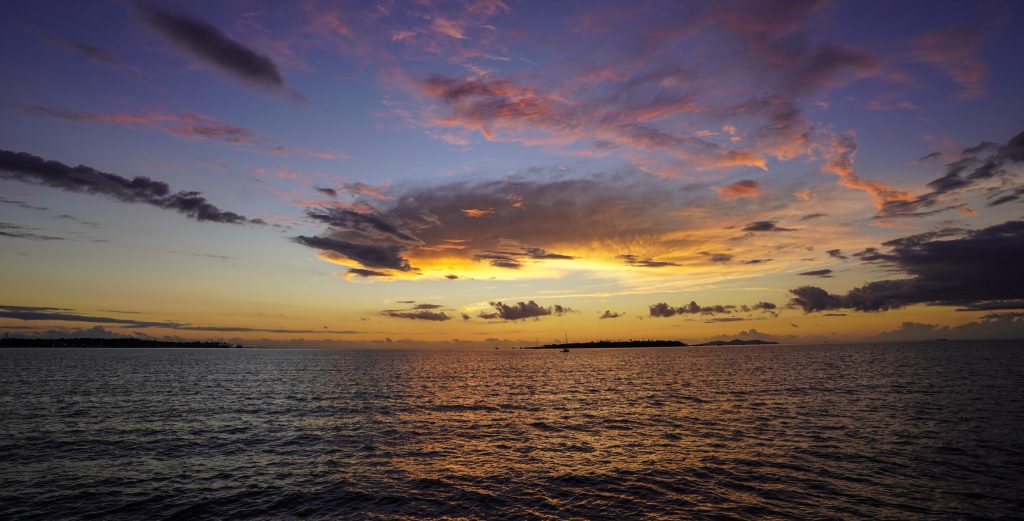
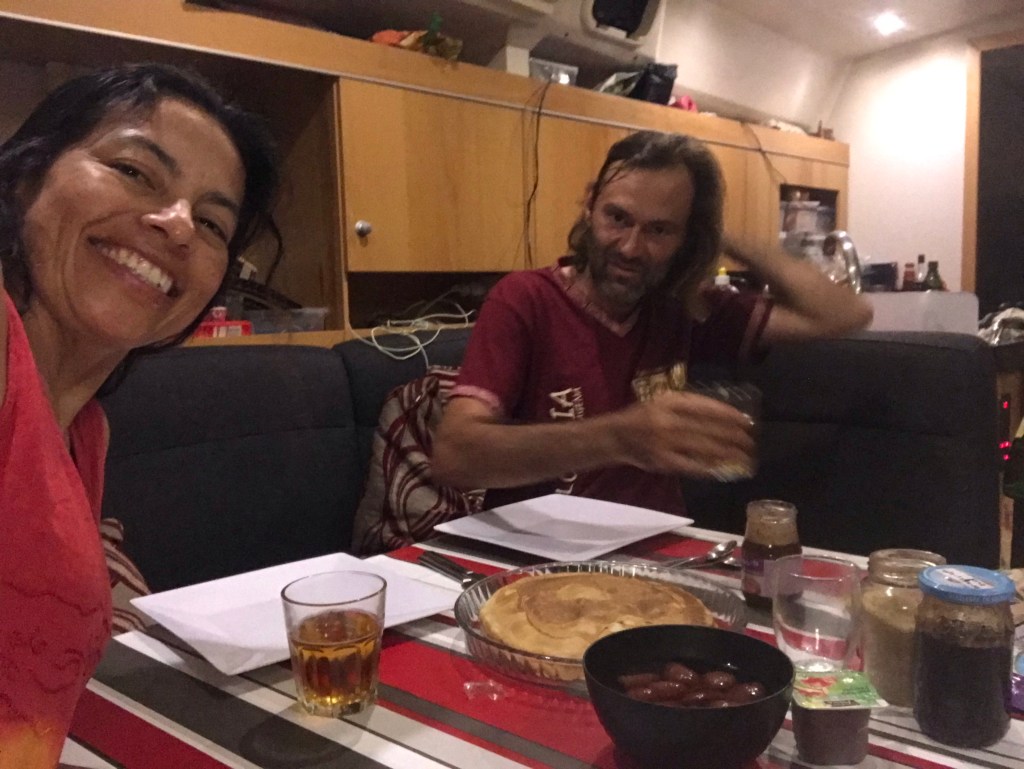
We were not allowed to move and apparently we had to be escorted by the navy to the fuel dock. It was Saturday already and we patiently waited but couldn’t take it anymore. On the radio we overheard that the fuel dock is closed on Sundays. So there we were another day in the boat, hearing all the party in the hotel in front. So tempting just to swim to shore and be part of the party! But if you get caught things could get really bad. We could ended up in jail, getting the boat impounded and a lot more… so better to stay put and don’t take any risk. To cheer up ourselves, we decided to enjoy the sunset, finish the cider we had and made a crepes night. We made our calculations, looked at the weather forecast and we had to leave, we couldn’t stay there indefinitely.
To make things more inexplicable, that same weekend the border was open for foreigners coming into Fiji. We heard planes landing, we tuned on the radio to find out that people were flying from the USA. USA out of all the possibilities, one of the most COVID infected place, had his citizen landing in Fiji without a PCR test. But us two, after 15 days at sea completely isolated, after testing negative before departure 3 times, were not welcome!!!. Completely unreal.
On Monday morning the Capitan’s decision was: weather is good we are leaving. We picked up the anchored 6:30am, went to the dock, got fuelled, refilled the water tank and paid without even touching land and left. The agent was still no where to be seen. With the wind picking up on Sunday, we were left with no room for delay. It was crucial to keep in mind that we had a deadline of December 1st to reach Australia, and there were still about 1700 nautical miles ahead of us.
On Tuesday afternoon, an iridium message arrived from our agent, bringing the news we had been anxiously awaiting: our transit permit had finally been granted! She advised us we had to proceed to test for COVID, pay customs and wait a couple of days for them to process and let us go on land. By then it was too late. We were already 160nm away. We replied thanking her for her services and letting her know that due to her not replying and not even having an estimate for the process we had to leave.
To tell you the truth, in the back of my mind I was happy we were so far away by then. I was picturing the customs following us. But in the end, we never entered Fiji.
Part 4- Fiji to Coffs Harbour (15 November to 26 November)(1500nm approx)
After getting out of the pass, we had a bit of wind accompanied with a little rain too. We were sailing with 2 reefs and the jib was the same as when we had arrived. We kept on sailing all day with the wind changing direction and being up and down. By next morning @11 am on Tuesday we had completed 160nm which was not bad at all and soon we started to get current in our favour.
Over the next few days, we continued sailing, constantly adjusting the sails to accommodate the increasing wind. Our progress was really good, covering distances of 144 nautical miles and 128 nautical miles respectively. The wind grew stronger, causing the waves to grow bigger and Happy Days going up and down one wave after the other.
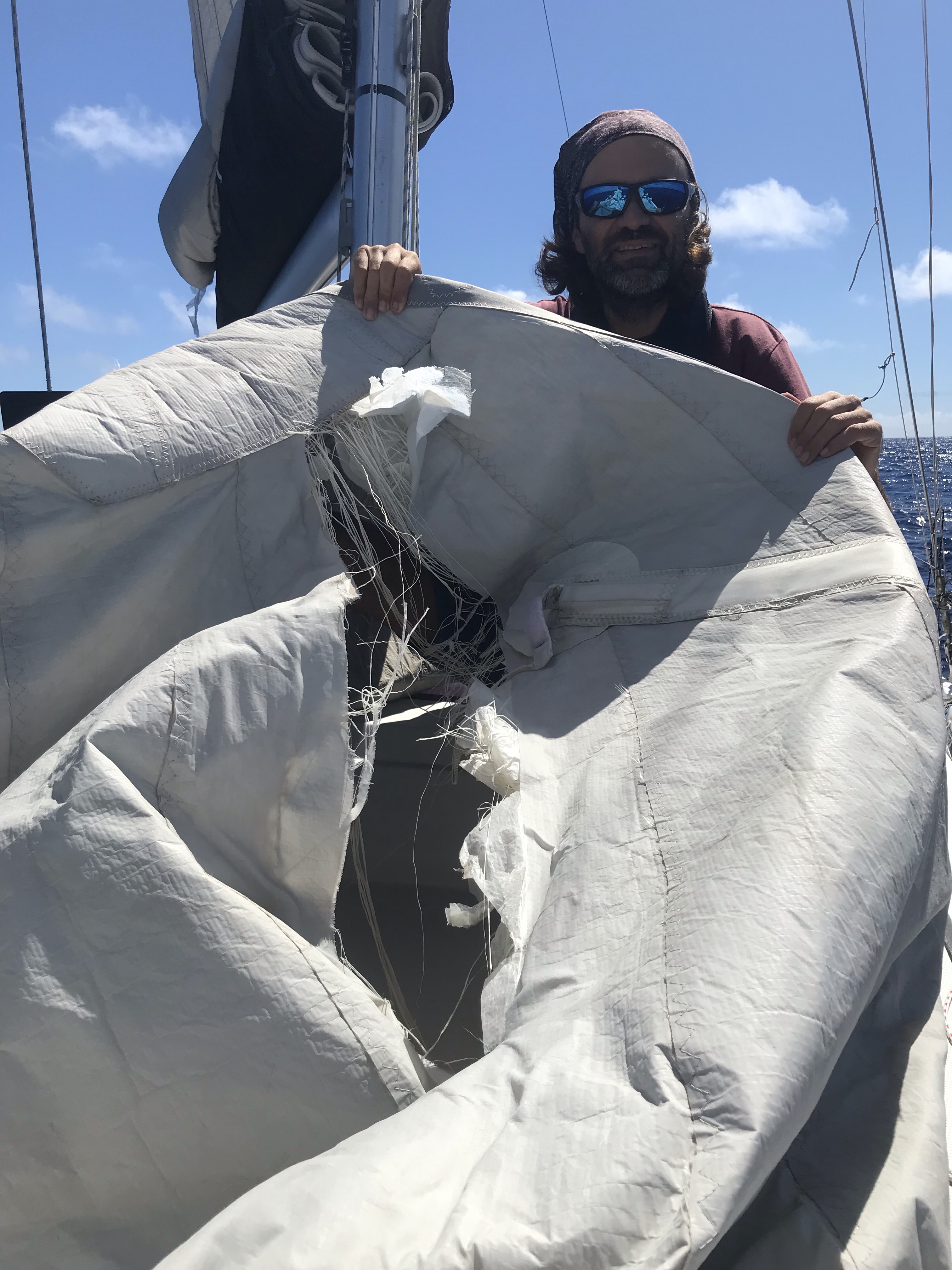
We still had a long way to go, about 1100nm, and anything could happen. And it did! Things started to get stressful, especially for me. The Captain always has a backup plan, which was reassuring. The strong winds and gusts reaching up to 35 knots always make me nervous. Once it hit 30 knots, my heart would race, so by then I preferred not to watch the instruments. If I’m on watch, I would call for help. The problem was that the wind either blew too hard or not at all. The force was too much, and it caused a big hole in the gib. Cedric spotted it, and to prevent further damage, we had to roll in the full sail. It was already afternoon, so we decided to wait until the next morning to assess the situation. Thankfully, we were always vigilant and noticed the problem quickly.
But no worries, we still had the mainsail, and in theory, we could reach Australia in a good time with just the mainsail.
But wait for it!!! The next issue arose the following morning, on November 20th (day 5 from Fiji, day 25 from Polynesia, not that I was counting !!!). The Captain went down to rest around 5 am, and I took over the watch. Everything seemed fine as the sun rose, painting the horizon with beautiful orange colours, and we were cruising at 6 knots. However, at 8 am, when I went out for a routine check, my eyes couldn’t believe what I saw. There was a hole in the mainsail. I quickly called the Captain and slowed down the boat while he came up to the cockpit to inspect the sail. The only thing we could do was reef it and keep going. We had 30 knots of wind so we were still moving at 6.5 knots.
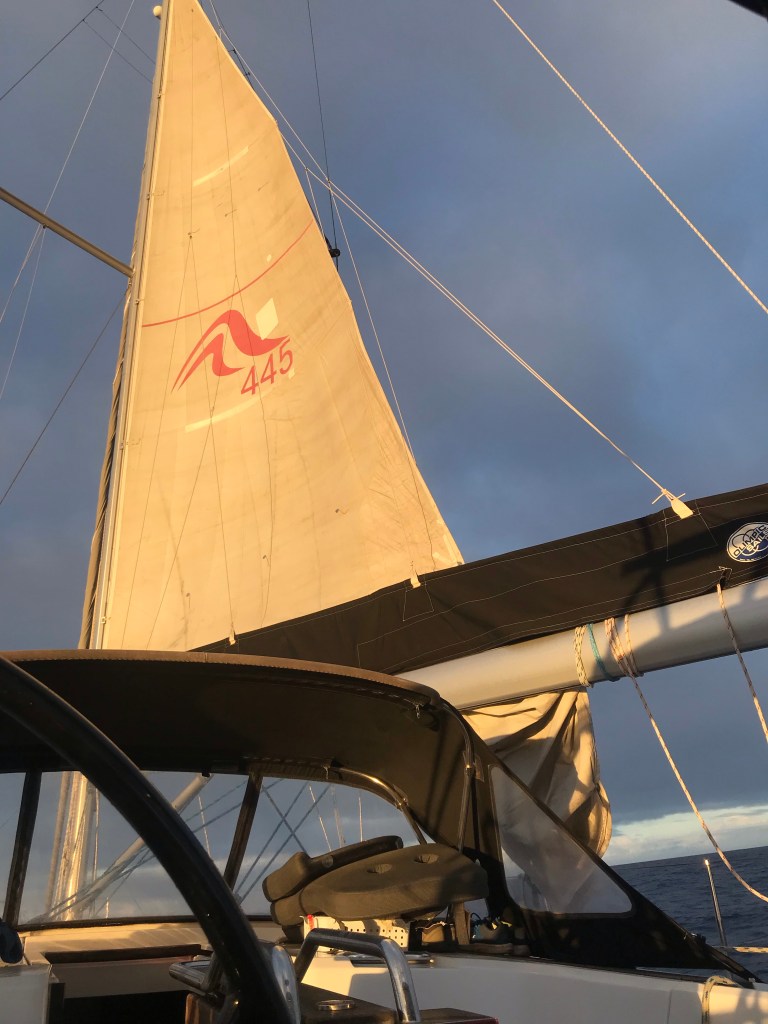
There we were with still more than 990 nm out to get to Australia, two broken sails, not enough fuel to motor all the way. We had already passed by New Caledonia which although French territory was still closed even for citizens. If the sails had broken before maybe we could have ask for an emergency stop but now it was too late to go back. Going against the wind was not really a comfortable option.
To add to the collection of things that could go wrong. The forecast showed a strong system coming from the south. Add all them together, we knew that we were not going to be able to sail down to Sydney. Wind was going to get from bad to worse if we kept going South. We would face 5mts to 10 mts waves formed by current against wind. Happy Days could probably handle it. But me? aiai we were in trouble. If you know those conditions are coming there is no need to put yourself in a dangerous situation, better to be safe. So we contacted the Australian Border Force and asked for permission to arrive at Coffs Harbour.
While we were waiting for a reply we started changing the direction to arrive there. But we were not going to be there with only 3 reefs on the mainsail. Not even if we ran the engine all the rest of the way, we didn’t have enough fuel for that either. So after some rest, a good lunch, we came up with a new plan. Raise the storm sail. The area of the sail although small helped us 1knot of speed plus it helped us to have a better direction to the destination.
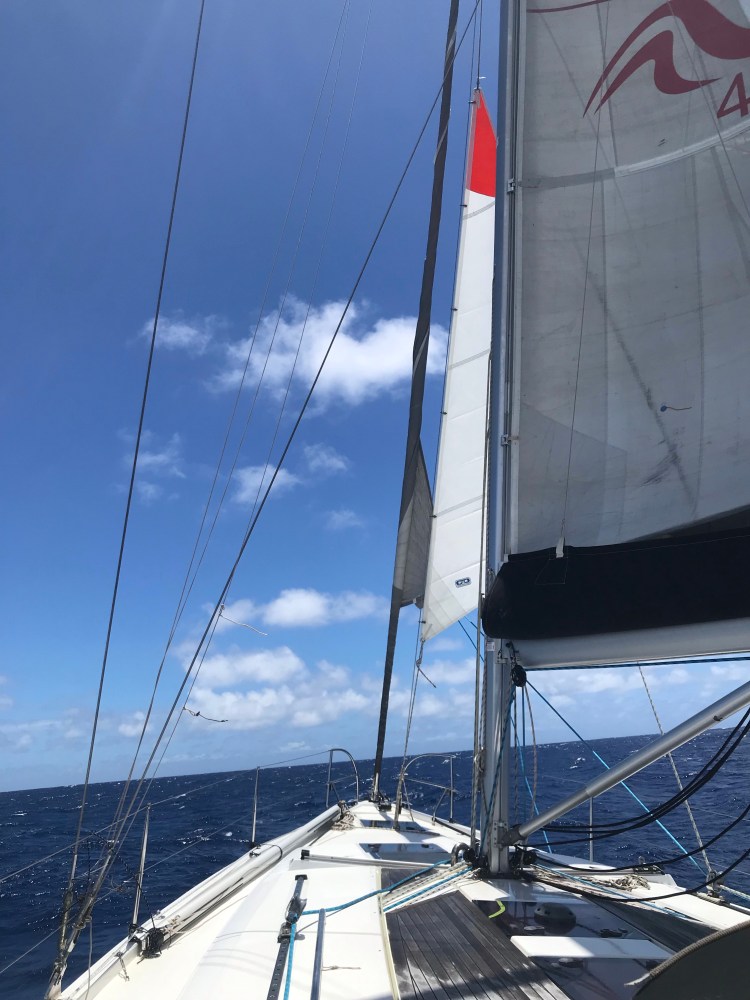
Between the potential use of the engine, 3 reefs in the main and the storm sail we kept going. We were still doing 100nm per 24 hours which was great. The wind started to go down 10 to 15knots. Which it is normally perfect for sailing, if only we had our sails. With still 600nm to get to Coffs Harbour, we needed to hurry up, we couldn’t wait for that system coming from the South to arrive at Coffs before us.
Looking closely at the forecast we could see the wind was going to die down 24 to 48 hrs. Not great for our speed, but a good opportunity to have a closer look at the jib, evaluate and repair it. We had sticky tissue, enough thread, and the proper needles. Maybe we could get it fixed before the wind picks up again.
Once we managed to unfurl the sail and inspect we were very optimistic we could do something. 9 hours of hard work later, we had a 1.5m length patch installed in place and a jib ready to be back in business. All sewed by hand. Really hard work. By 7pm on 22nd November we were sailing again with the jib up and 11knots of wind. Happy Days was going comfortably at 6.4knots of speed.
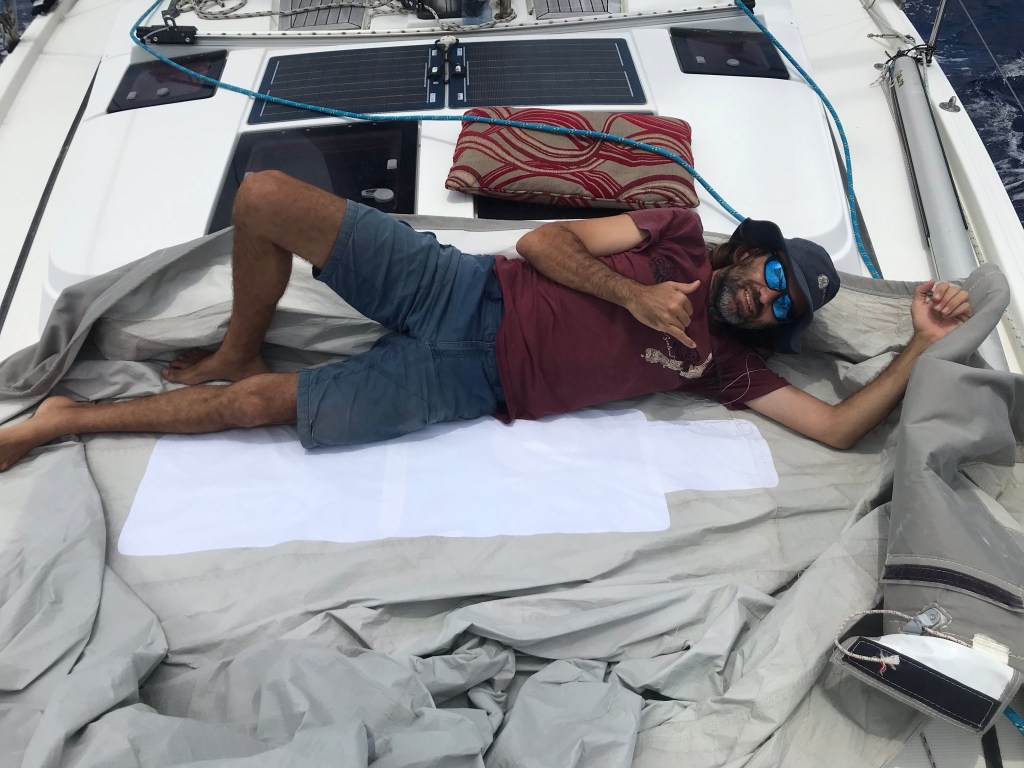
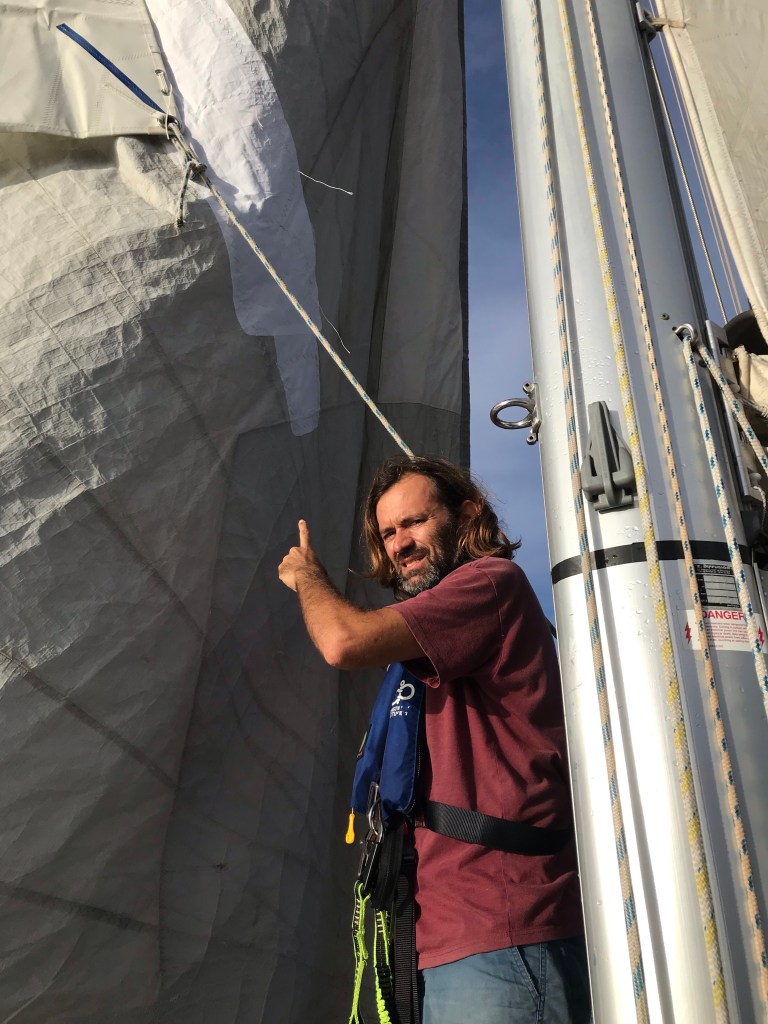
That was really amazing, 3 reefs, one gib, one storm sale and a bit of engine. Now we were almost sure we were going to be in Coffs Harbour November 26 by lunch time.
While we had the sailing situation under control. I was still unsure about our immigration situation on arrival. The Australian Border Force had replied we could arrive in Coffs Harbour as they were aware of the weather system coming from the south and they understood it was safer for us. However, because of COVID we also needed Police authorization to disembark and that could be only accepted if we were cleared by the NSW Health Department.
We had no reply on the exemption that I had submitted when we were waiting in Fiji. So again I wrote a long email to the NSW department of health to get an update on our exemption and also to inform, we were going to land in Coffs Harbour, not in Sydney. I emphasised that some fellow Australian citizens were now arriving without quarantine for more than 2 weeks already, and we were just asking for the same treatment. It didn’t take long for us to get a reply. Basically the exemption could be granted under two conditions. First to have a PCR COVID test negative on arrival and second, to provide a full log of where the boat had been since Bora Bora.
I started celebrating in advance. Because, from my experience with the Australian authorities, if they don’t say no as a first answer, then you have a really good chance to get their approval. The COVID test on arrival was tricky, because we had no authorisation to talk to anyone. And the full log of the boat route? Well we would have to include the 5 days in Fiji, they could say we were there on land or with people. It would be 14 days ago by the time we landed, but I was still a bit worried.
Anyway, we kept sailing, making miles and miles as the wind picked up.
Arrival in Coffs Harbour
Finally, on Friday, November 26th, at 10 am, we found ourselves in front of the entrance of Coffs Harbour. It was only when we were 2 nautical miles away that we could catch a glimpse of land. The weather was gloomy with grey clouds and rain. But nothing could dampen our spirits, nothing mattered anymore as we made it, we arrived to Australia. We took the pass which is quite wide and right there at the entrance, surfing the waves, dolphins were welcoming us. It was an absolute sense of achievement after all we had been thru to arrive. And it was also a relief as we arrived at the perfect time. We went into the bay and tied up to the courtesy mooring and waited for the Australian Border Force to give us further instructions.
We had reported to ABF an estimated arrival time at 2pm. Therefore, when we arrived at 10am they were not ready for us. We thought, it is not a big town, they probably don’t have that much work, but anyway we had to wait in the outer harbour on the public mooring until they called us.
We did a bit of cleaning up and organising to be sure we got room for the officials to come in. And by 1pm the Marina Manager told us we were authorised to come in. Not an easy maneuver because by then the wind was blowing 20 to 25knots and the spot they gave us in the marina was less than ideal, we had to do a couple of attempts before we managed to safely get the boat in the designated area.
One of the ABF officials told us we had to get off the boat and wait in a corner of the dock. We were not allowed to interact with anybody. The neighboring boats wanted to talk to us and we couldn’t. Then 8 officials went inside the boat, plus a nice Labrador. They were inside for 2 to 3 hours searching every single corner. They opened all the cabinets, drawers, shelves inside and out. They took everything out, every single can of food, and read the labels. They took all the clothes out of the shelves, lifted every single cushion as they went through a very exhaustive sweep.
Like an hour into their search it started raining so they called us in, but only to the cockpit, not inside the boat. We had to start filling all the papers and it was only until then that we kind of understood why the search was so extreme. They had done their homework and checked the information of our AIS (the systems that reports our coordinates at all time) and our names, the info of the boat etc. And I guess at that time we raised a lot of flags.
– they couldn’t find our names in the system: it is tricky because they are not used to two first names and two last names like mine or three first names and one last name like Cedric. They are used to one and one.
– in another system: the number of the boat is registered in the UK but we reported the boat as French. For some reason that electronic system no matter how many efforts we made it still shows the boat under the UK flag.
– stop in Fiji: they could see we stopped in Fiji but we had no papers from there. We were in transit. Plus apparently, our very inefficient agent in Fiji, failed to report our departure, so the Fiji customs had us in the system as non-compliant.
– they had registered that we had called for an emergency: this in fact was due to our email two days before arriving. We informed them we could not continue to Sydney because of weather conditions (5 meter waves coming). Therefore, it was not safe for us to keep sailing south and we had to arrive in Coffs Harbour. That was easily explained as they had a weather warning on the radio 30min after we arrived.
I guess all those little anomalies made us somehow suspicious and we had the whole Coffs Harbour team. (later we found out, it was not only Coffs harbour team, it had also some agents and the dog from Newcastle, Coffs Harbour has only two agents). The good thing was that once all those unknowns were clarified with our papers, our records of everything, they were happy to process our entry papers. Two hours later they left with a big yellow bag with all the food that was not authorised. Couple of eggs, onions, garlic, butter, dry herbs, a few pates and so on. At the end they were so friendly that they gave us tips for the best coffee and ice cream close by. They left saying “you might have trouble finding some things in place the next few days because we have shifted everything” and left laughing.
But that was only ABF, we still had to clear our situation with the NSW Health Department. The only way to get a PCR test without interacting with anybody was to walk for 3km under the rain. So we did that. Got back to the boat and we had to still be isolated. They were very quick. We got the results by email, which I immediately sent to the exemption request. It was Saturday night so I was sure we were going to be there until Monday.
But by Sunday 28 November at 10am we received a fantastic email!!! The exemption was granted and we could leave the boat and go on land!!! without quarantine.
We walked out to the deck and jump to the dock!!! We were so happy!! all the neighbours at the marina around knew our situation so when they saw us they were clapping!!!! 30 days crossing and safely arrived in Australia..
WE DID IT… WE ARRIVED IN AUSTRALIA…AND NO QUARANTINE!!!
 Happy Days