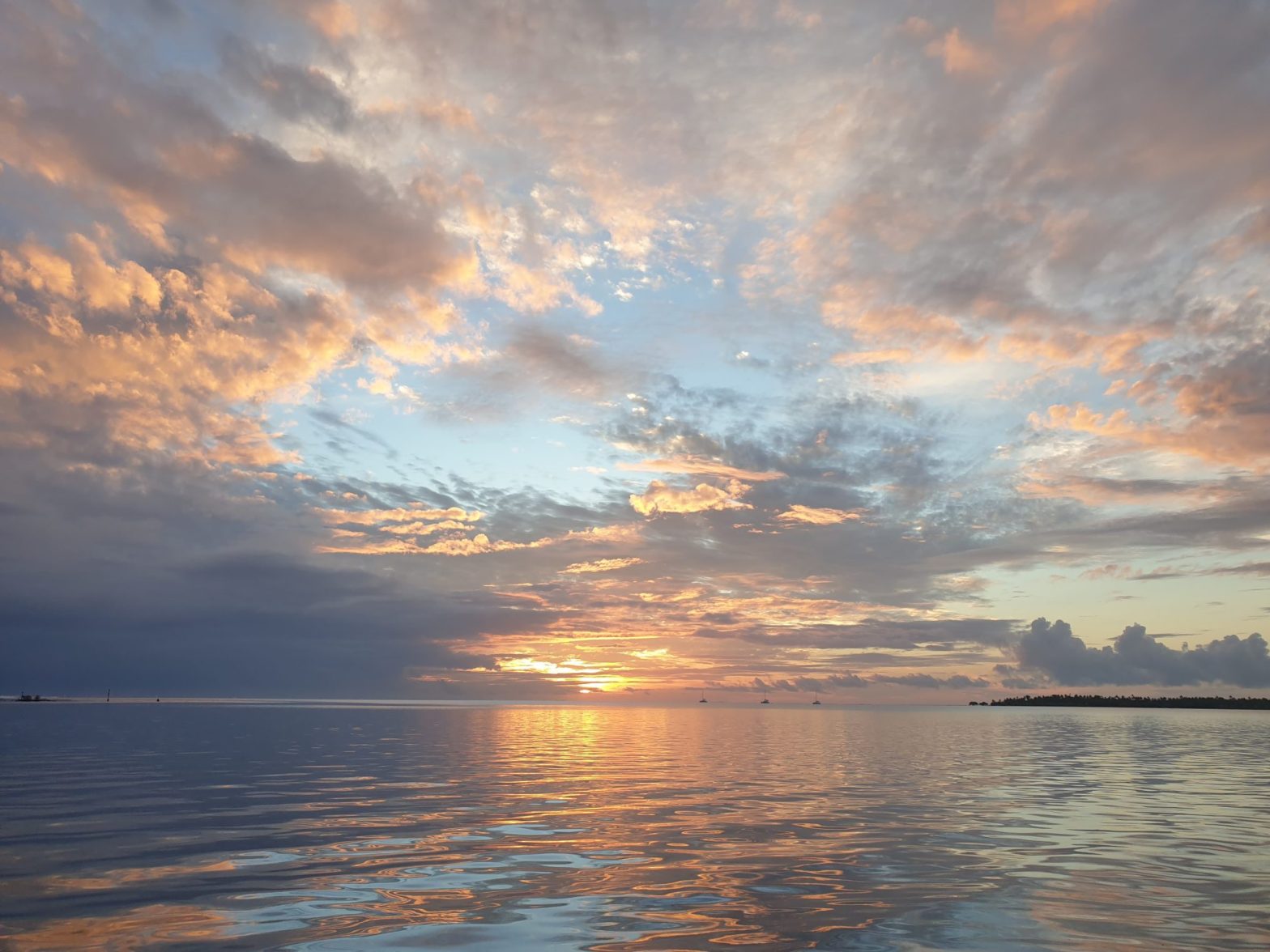
October 14, 2021
The latest COVID-19 outbreak has forced French Polynesia to implement restrictions, particularly in the Society Islands where the majority of the population resides. This has resulted in places like Tahiti, Bora Bora, and Moorea being hit hard. Tahiti alone is home to 70% of the country’s population, making the restrictions in the Society Islands particularly strict. During weekends, full lockdowns are in place, and there are additional restrictions in shops, supermarkets, restaurants, and other public places.
Due to these circumstances, we had to carefully plan your arrival to avoid getting stuck on your boat until Monday. This meant aiming to arrive on a weekday to ensure that you could get off the boat and explore the islands while adhering to the restrictions. All this restrictions and the weather made us take a difficult decision. We would not stop in Tahiti, there was no point to spend only a couple of days specially stuck on board. Anyway we had visited Tahiti a week during our stopover on our way to France in July. For me, between stopping in Tahiti or Bora Bora, I still want to go to Bora Bora. Cedric has been in both of them when he was with Thira, but for me this was a part of the original itinerary that I had not given up on yet.
From Fakarava to Raiatea.
We took 3 nights & 4 days from Fakarava to Raiatea, about 350nautical miles. Perfect timing from Friday to Monday, so we did respect the full lockdown!!.
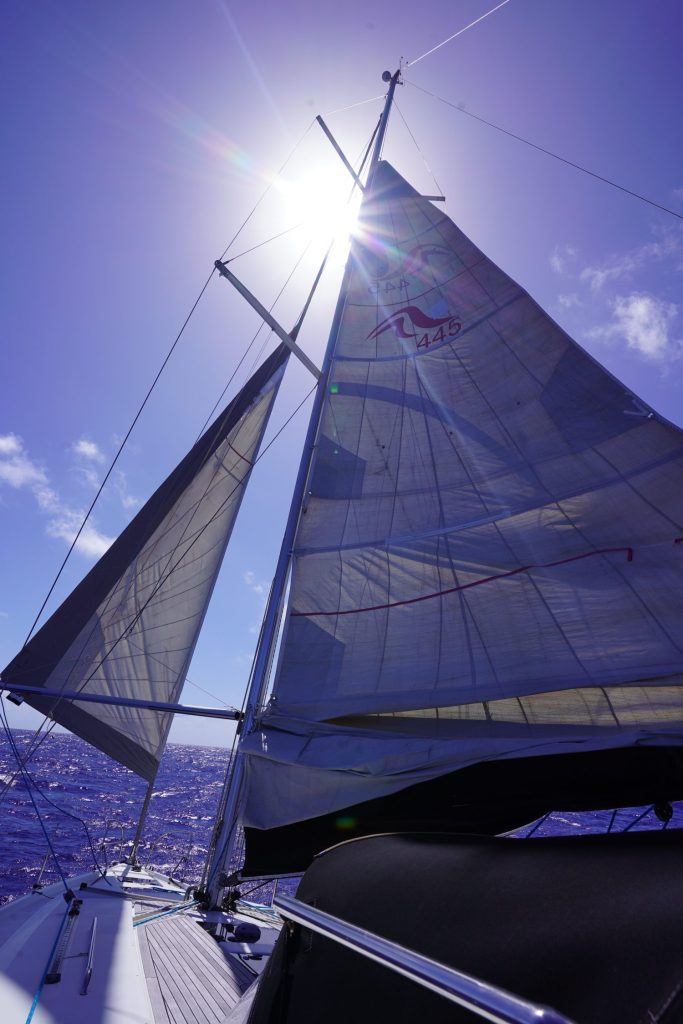
The passage we had was amazing. We were sailing mostly towards the south and the wind was light. Ever since we got the pole installed after leaving Martinique, it’s been so nice to just sail downwind. We only had the gib up and at night we reduced it a bit and kept on cruising. The only time we needed a little help from the engine was on the last morning before we arrived, because the wind had died down.
It’s always such a pleasure when the wind is blowing in the right direction and we can just keep making miles. There’s something so serene and peaceful about gliding through the water with nothing but the sound of the waves and the wind in our sails. It’s moments like these that make all the hard work and planning worth it.
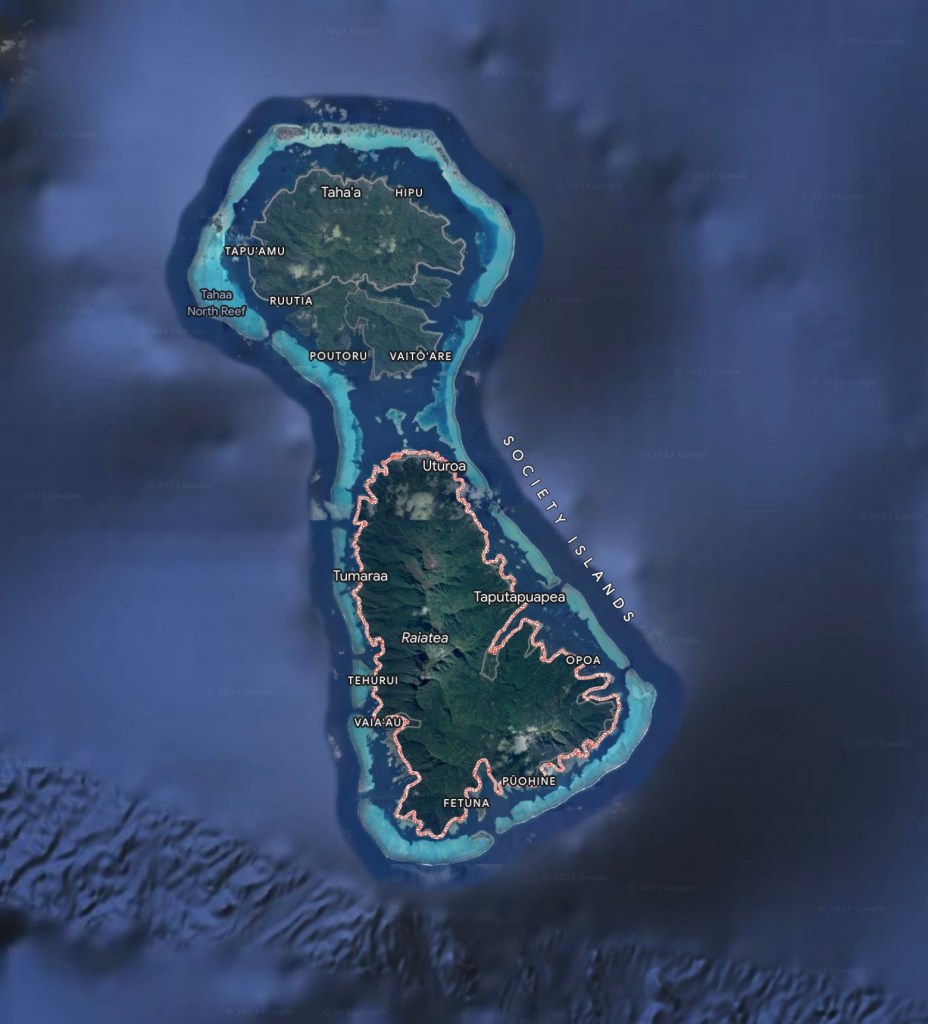
On Monday morning, with bright daylight, we were ready to take the pass. In fact, there are a few passes to enter the lagoon, so we took the one on the east closer to Uturoa. Although we had some current against us, there were no waves and it was an easy ride. We anchored just after the entrance. With the forecasted weather, it was the best option and it’s important to be careful because there is a lot of coral around and you can’t anchor everywhere.
The anchorage was really nice, and there wasn’t much rolling, which helped us to get a good night’s sleep before our crossing. Well, this was just a short one, and we still have almost 4000nm left. I prefer not to think about it too much, but we have to start getting ready. We need to make sure we have enough fuel, gas, food, water, and everything else we need for the long crossing.
Raiatea is the hub of the charter yacht industry in French Polynesia, with most of the marinas and yacht companies located there. The presence of a boatyard for maintenance work is also a plus. On the downside, the sheer number of boats moored in the area can make things a bit tricky. Ordinarily, these charter boats would be out on the water with holidaymakers, but with travel restrictions in place, they are all moored or anchored in the best spots, making finding an anchorage more challenging. We had to drop the anchor at depths of up to 18 meters at times, whereas we would normally prefer depths of 5 to 10 meters.
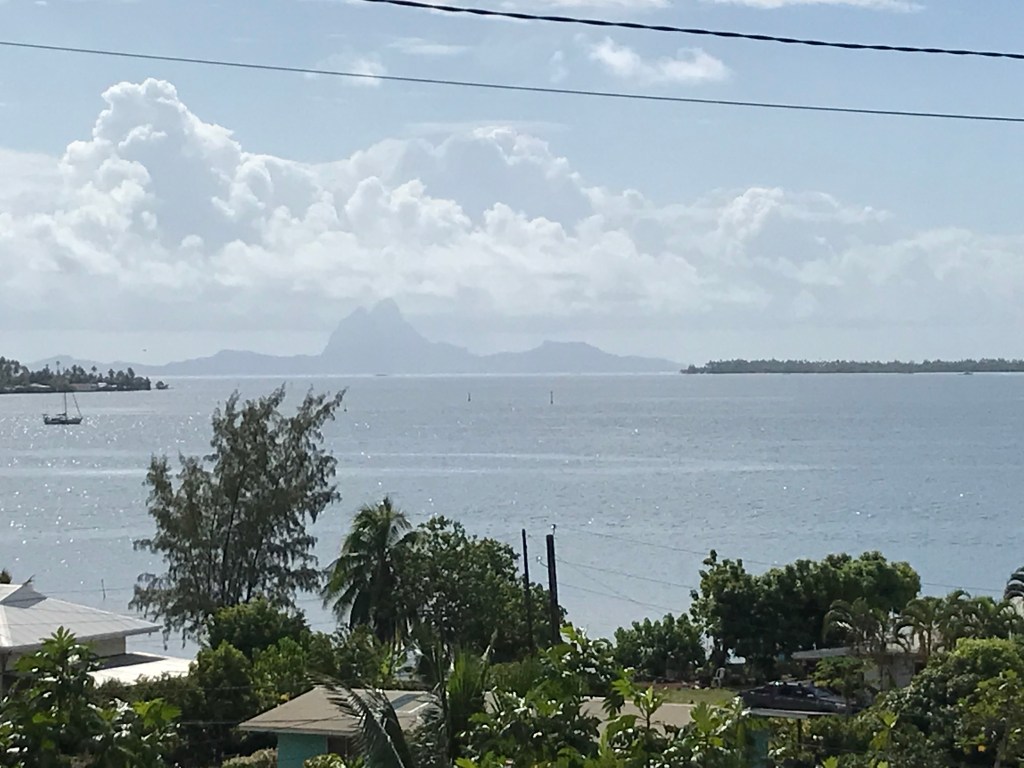
The scenery changed so much, from a flat atoll, to lagoon with two small islands, full of green and high mountains. The clear waters are inhabited for so many different species of marine life. Is not strange to see rays, turtles and lots of colourful fish.
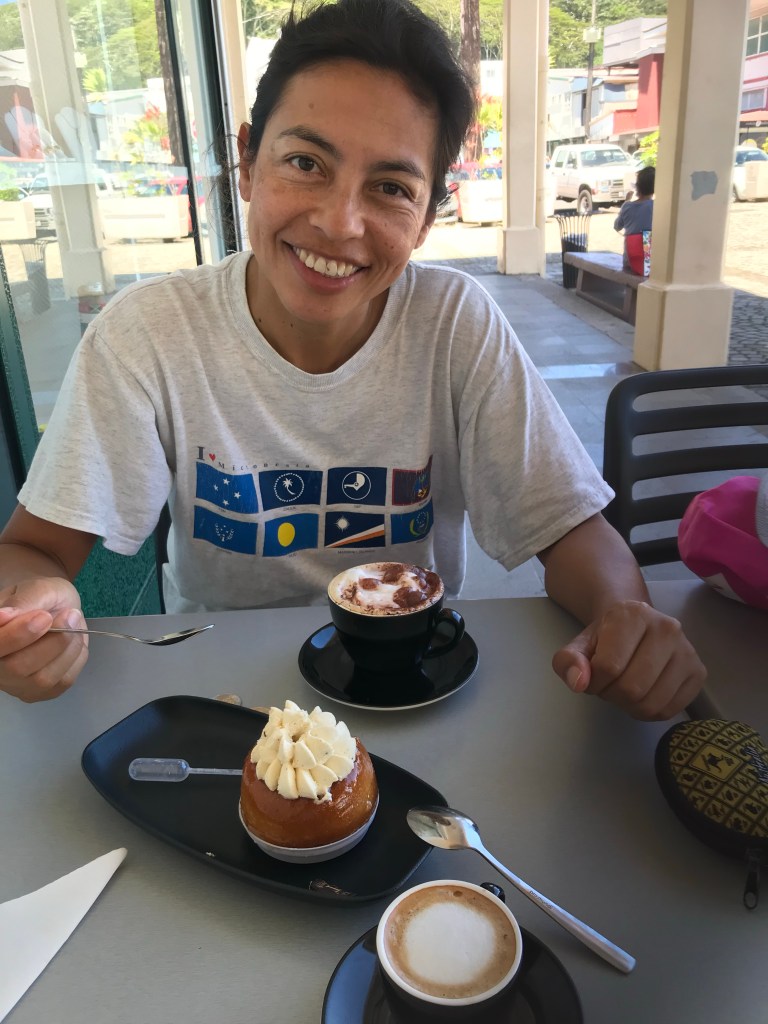
Also, French Polynesia is more developed than I had imagined. I had always thought that once we arrived, we would have access to all those great pastries that are available in France. However, that wasn’t the case. In Gambier, we had to wake up at 5 am just to get a proper baguette, and we could only find croissants once a week. In the Marquesas, we could only find good pastries on the big islands, and usually in hotels. In Fakarava, we didn’t come across any proper bakeries during our tour of the island. Finally, when we arrived in Raiatea and went to the capital, Uturoa, we were delighted to find some really good French pastries. Every day we passed by, we had to stop for coffee and cake – it was delicious!
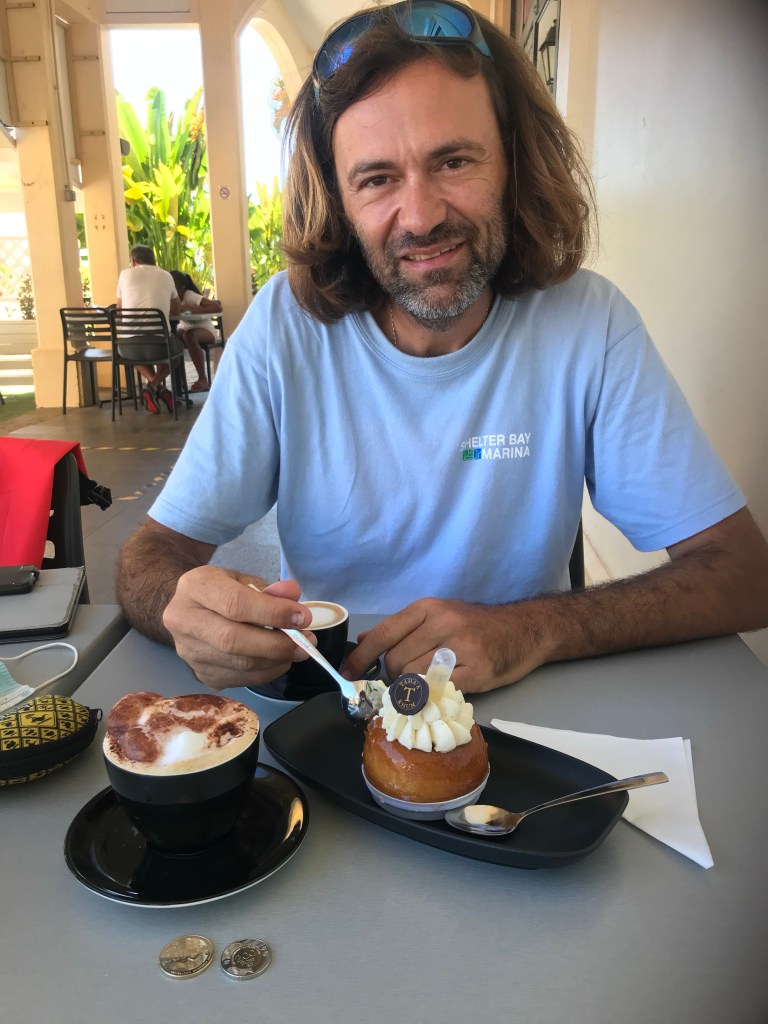
We spend the next 10 days visiting and discovering Raiatea, Taha, the lagoon and the Motus. This place is a real paradise.
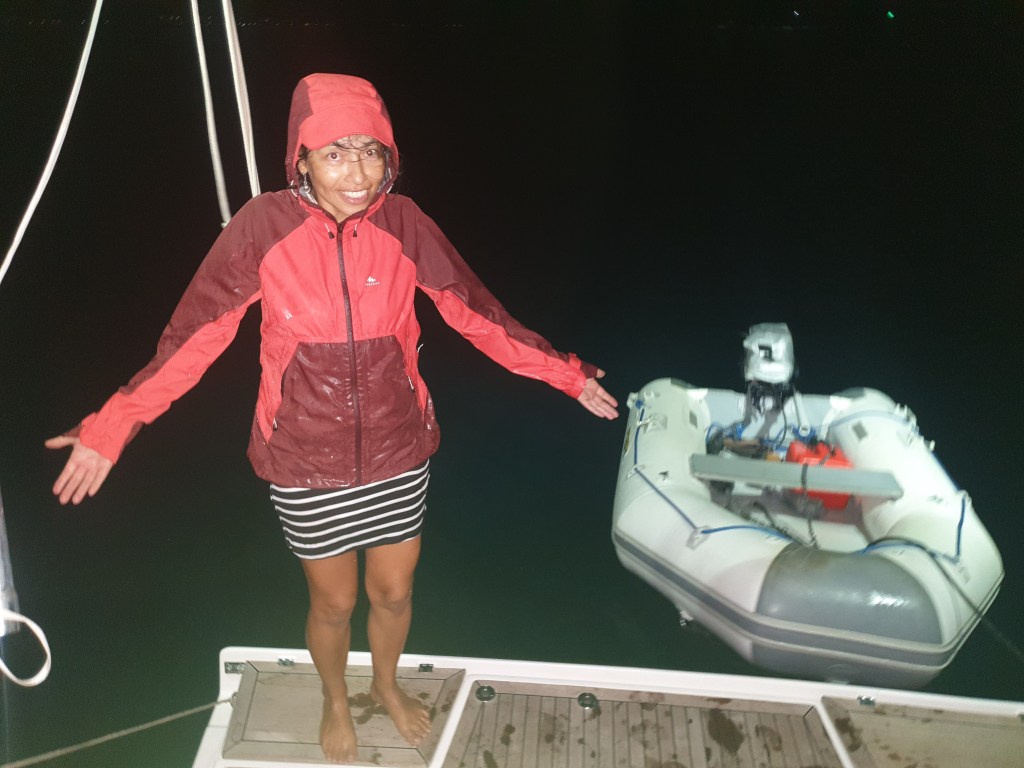
We were anchored far from Uturoa, the capital city, and sometimes we had to go through plenty of waves in the lagoon. So even paradise has some challenges. I’d go out in the morning nice and dry…. but attention to the come back at night!!! At some point Cedric went back and forth in full wet weather gear… fun times. At least the water was nice and warm.
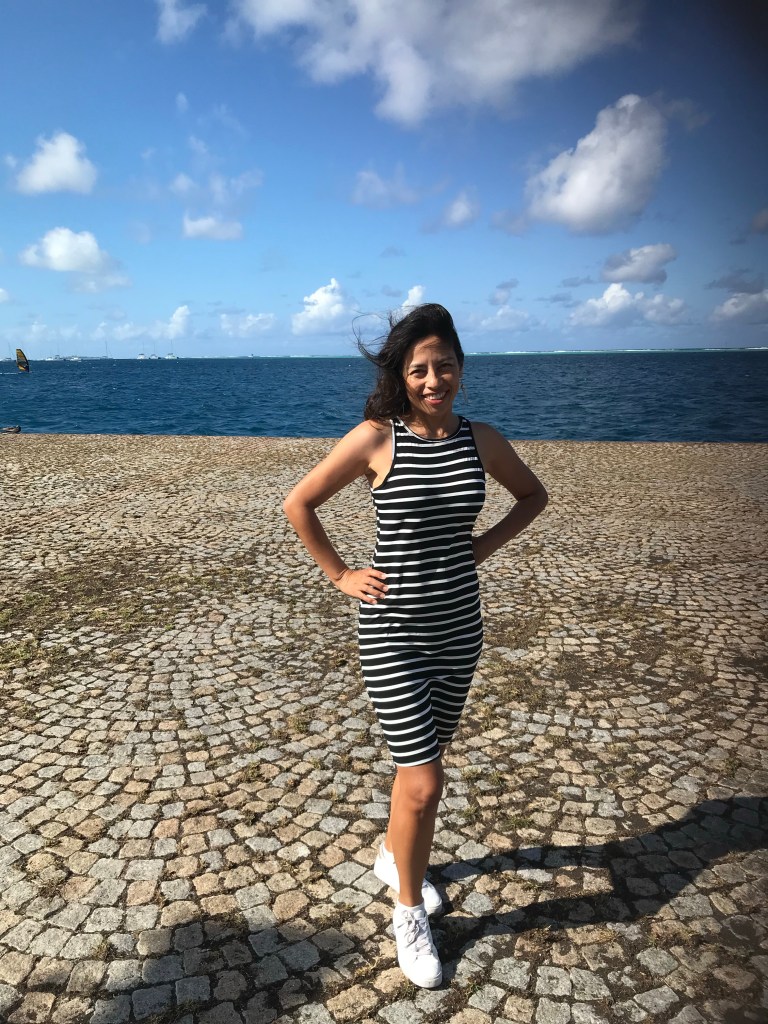
Raiatea is known as a “Sacred Island”
It is believed to be the original homeland of Polynesian people, from where they dispersed across the Pacific. It was a center of Polynesian civilization and the site of ancient temples and religious ceremonies.
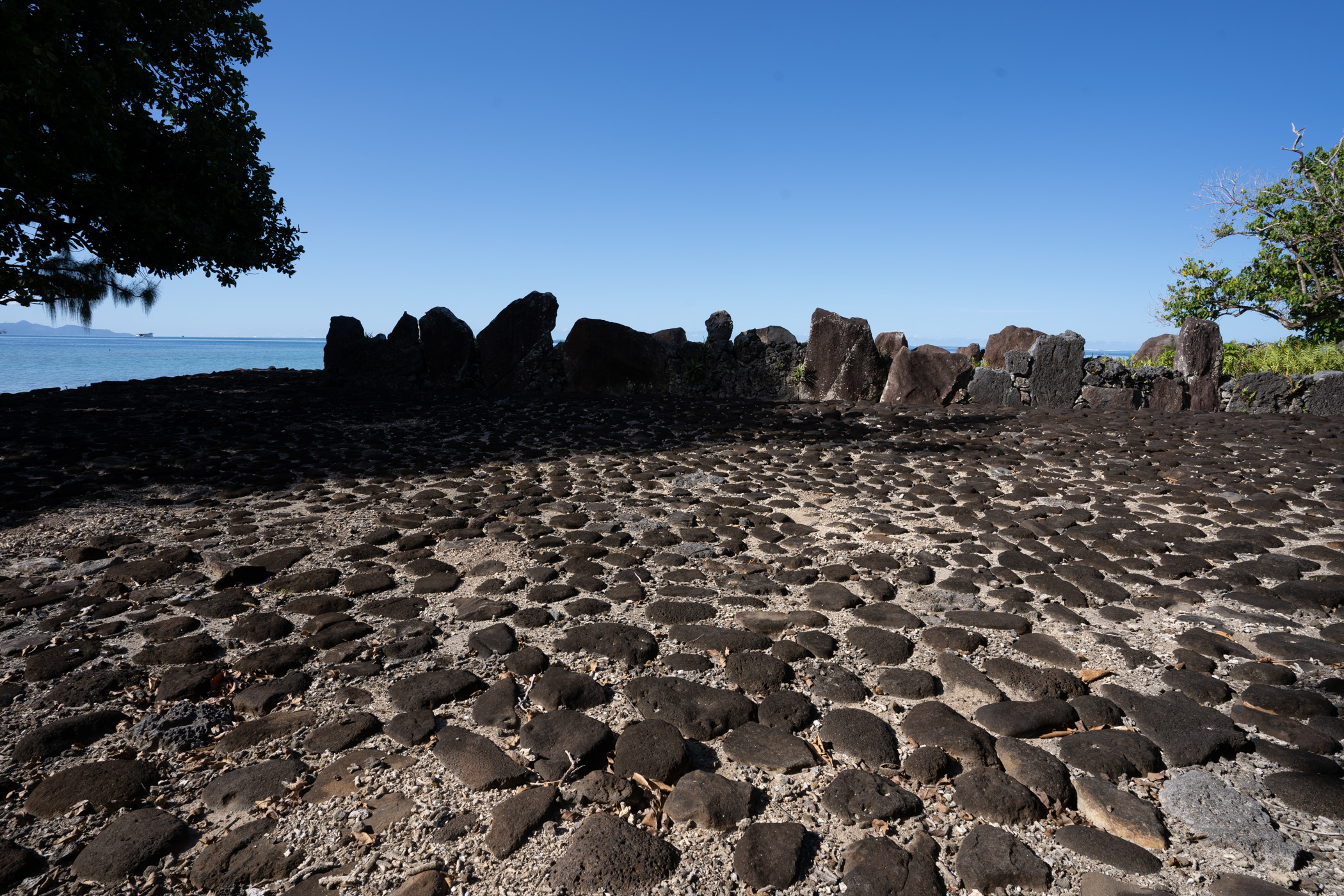
One day, we hired a car and had the opportunity to tour around the island and visited Taputapuatea Marae. It is the site with major significance on the island, as it was once a religious and political center for the Polynesians, and served as a place for ceremonies, rituals, and gatherings. The marae (meeting ground) is a large open-air temple complex, recognized as a UNESCO World Heritage site, and holds immense spiritual and cultural significance.
I can imagine how important and how special this place was years and years ago, because when you walk today you can still see the scenery and its beauty. It is located close to sea on one side and you can see the mountains in the background. It has a very nice special peaceful energy. Perfect for us, as we need to get all positive energies we can for the long long crossing ahead.
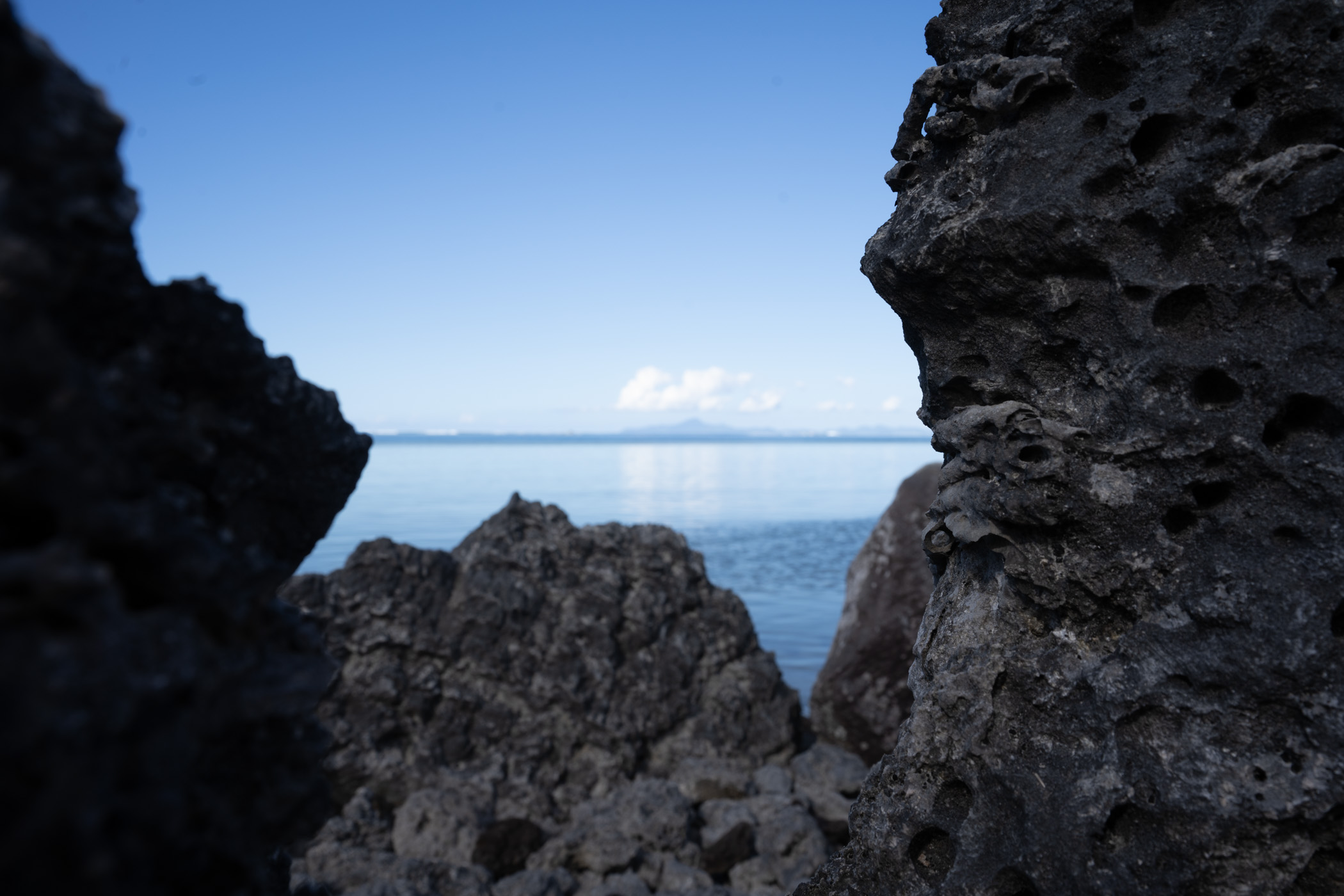
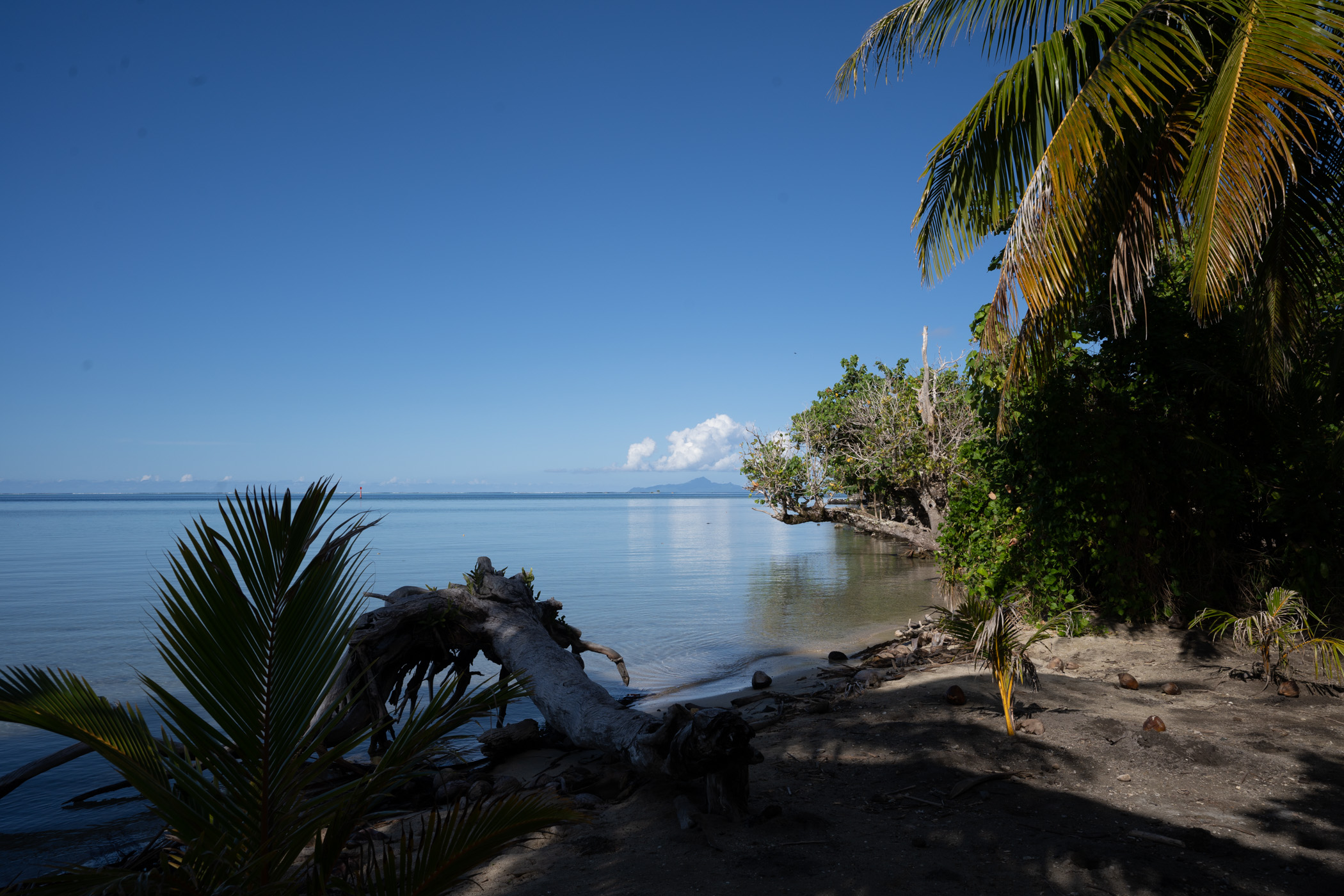
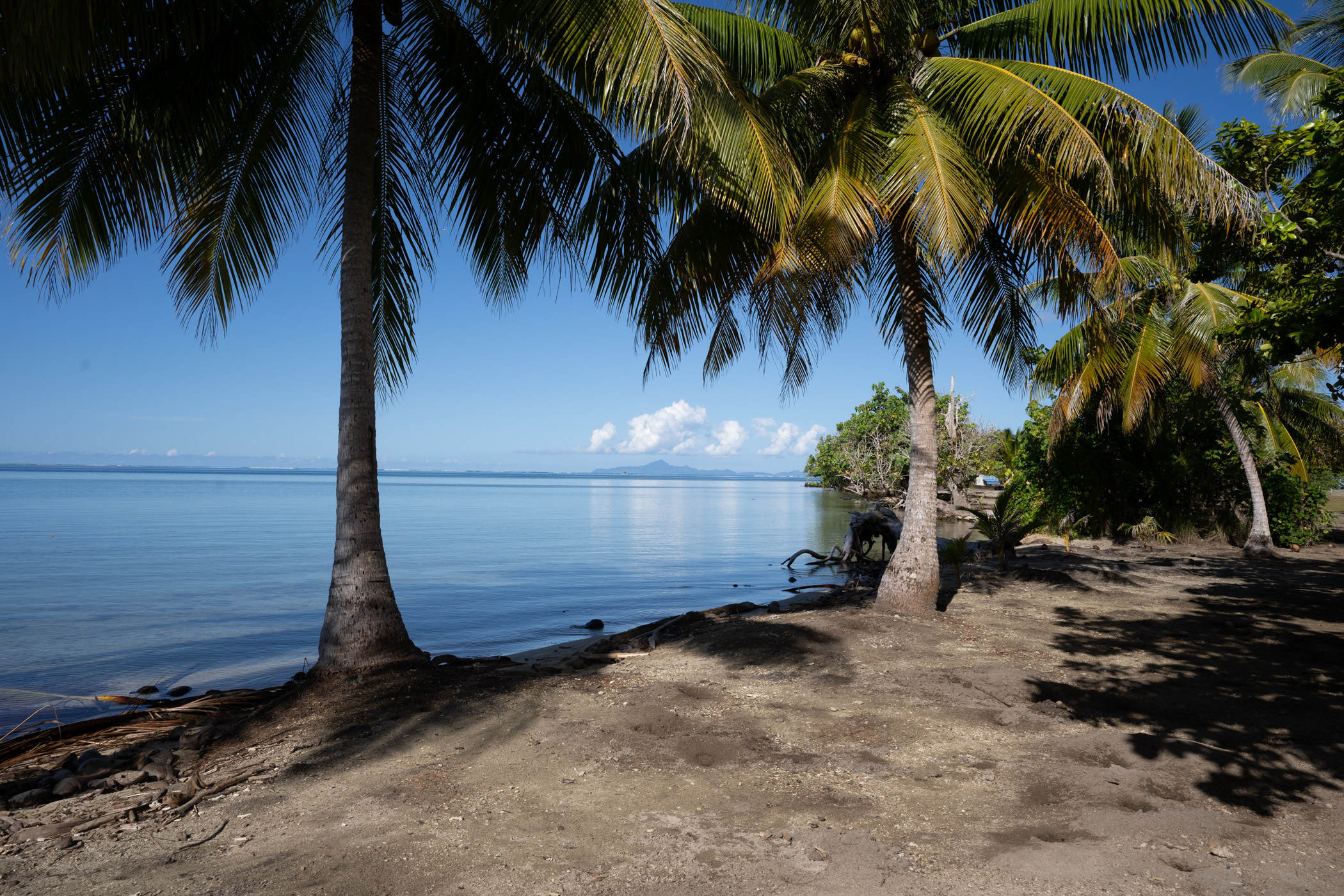
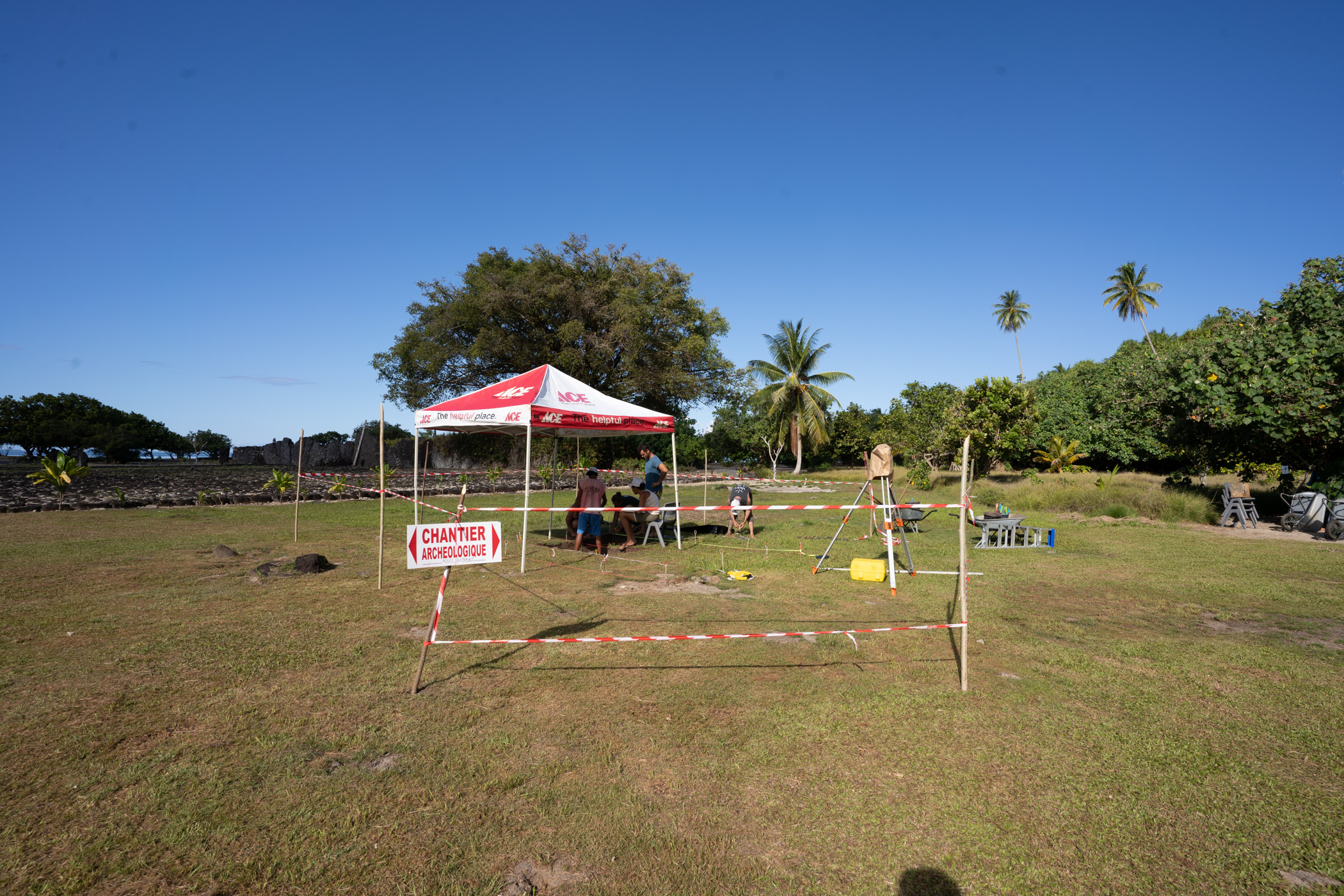
While we were visiting Taputapuatea Marae, we also had to continue preparing for our upcoming trip. Luckily, having the hired car allowed us to do some much-needed shopping, including stocking up on canned goods and other non-perishable items. We also picked up some fresh produce for the next few days, which was a nice change of pace. The local fresh markets had an abundance of options, and it was refreshing to have so much variety to choose from. I couldn’t recall the last time we had so many options available to us.
The supermarkets like Super U, and couple others were like being in France, we stocked plenty dry food, lots of flour, rice, pasta, cans with veggies, tuna and lots of chocolates and biscuits. I have now made some draft menus of the meals we will have during the crossing, so I have calculated more or less what we need and also review what we have on board.
The Faaroa Bay
This bay is where the longest navigable river in French Polynesia flows. The river runs through dense forests and tropical flora, creating a beautiful and tranquil environment. Picturesque landscapes and surrounding mountains make the place look like it’s taken from a fantasy book.
We anchored in the bay and then took the paddleboard to go up the river. I was on the paddleboard and Cedric followed me later with the dinghy. At some corners, Cedric had to lift the motor to be able to pass through.
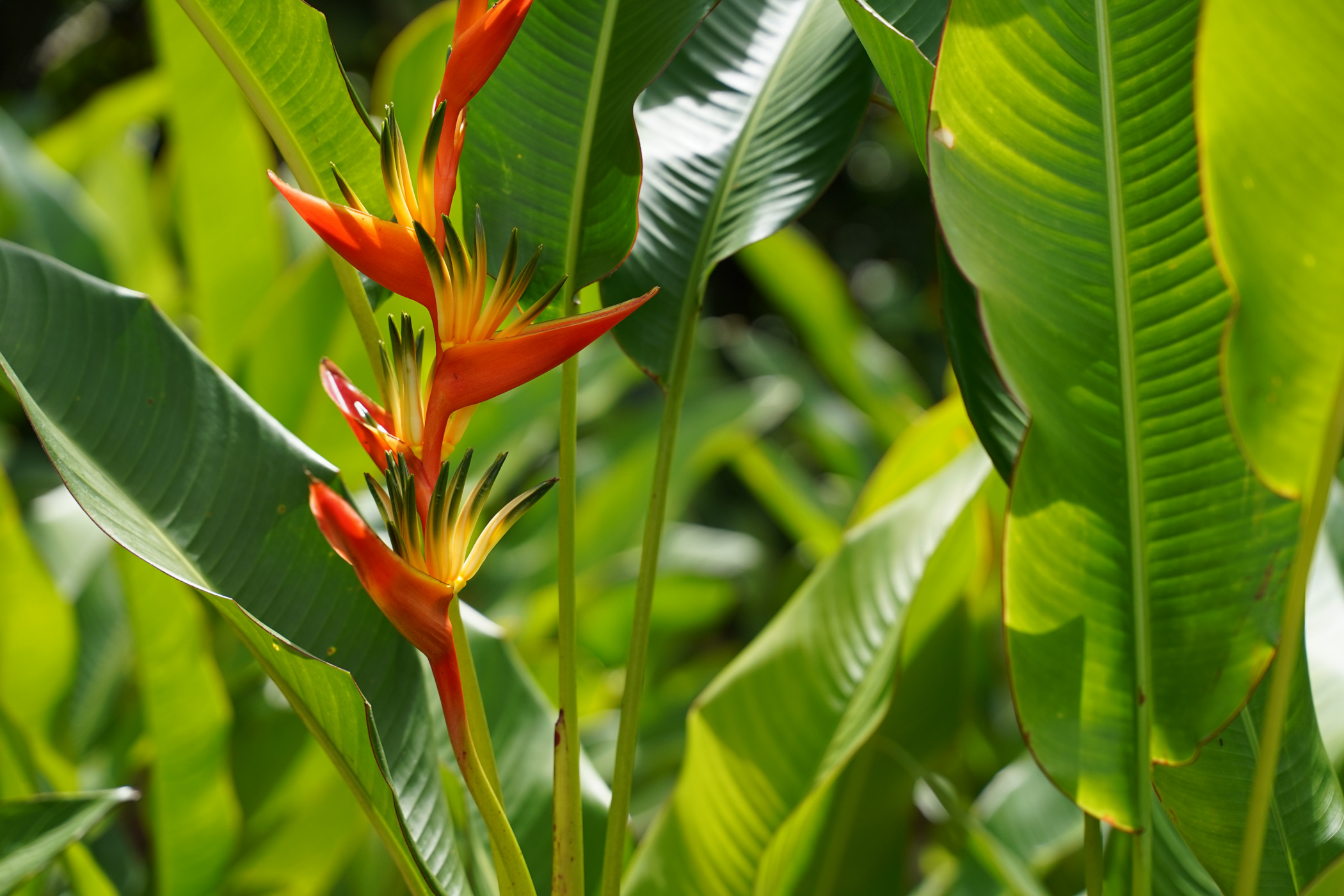
About 30 minutes into the river, there is a botanical garden. Most people arrive from the road, but there is still a small landing point for small boats. We tied up the dinghy and paddleboard and went for a walk in the garden. The place is very well maintained and has a good spread of different flowers and trees.
PHOTOS
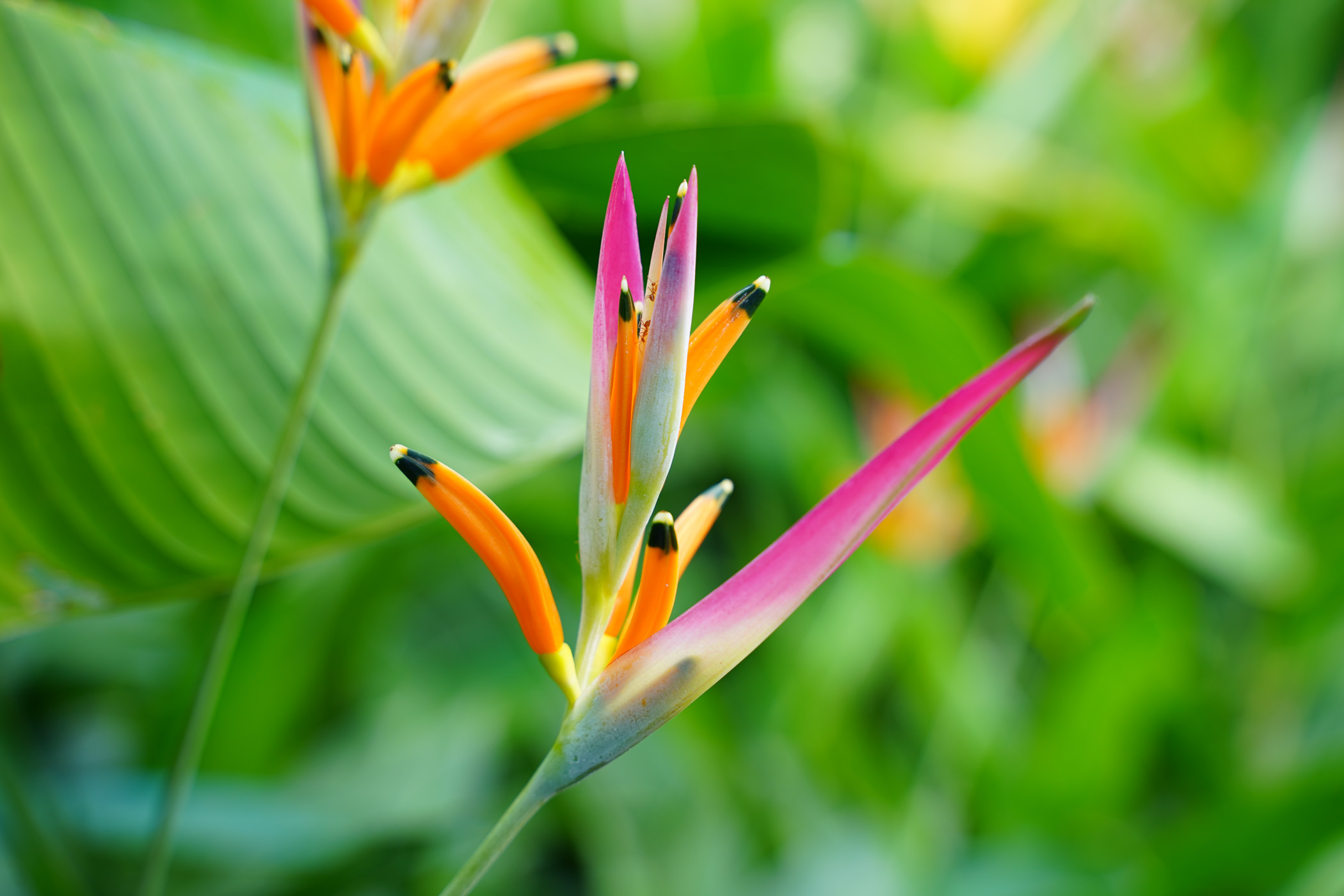
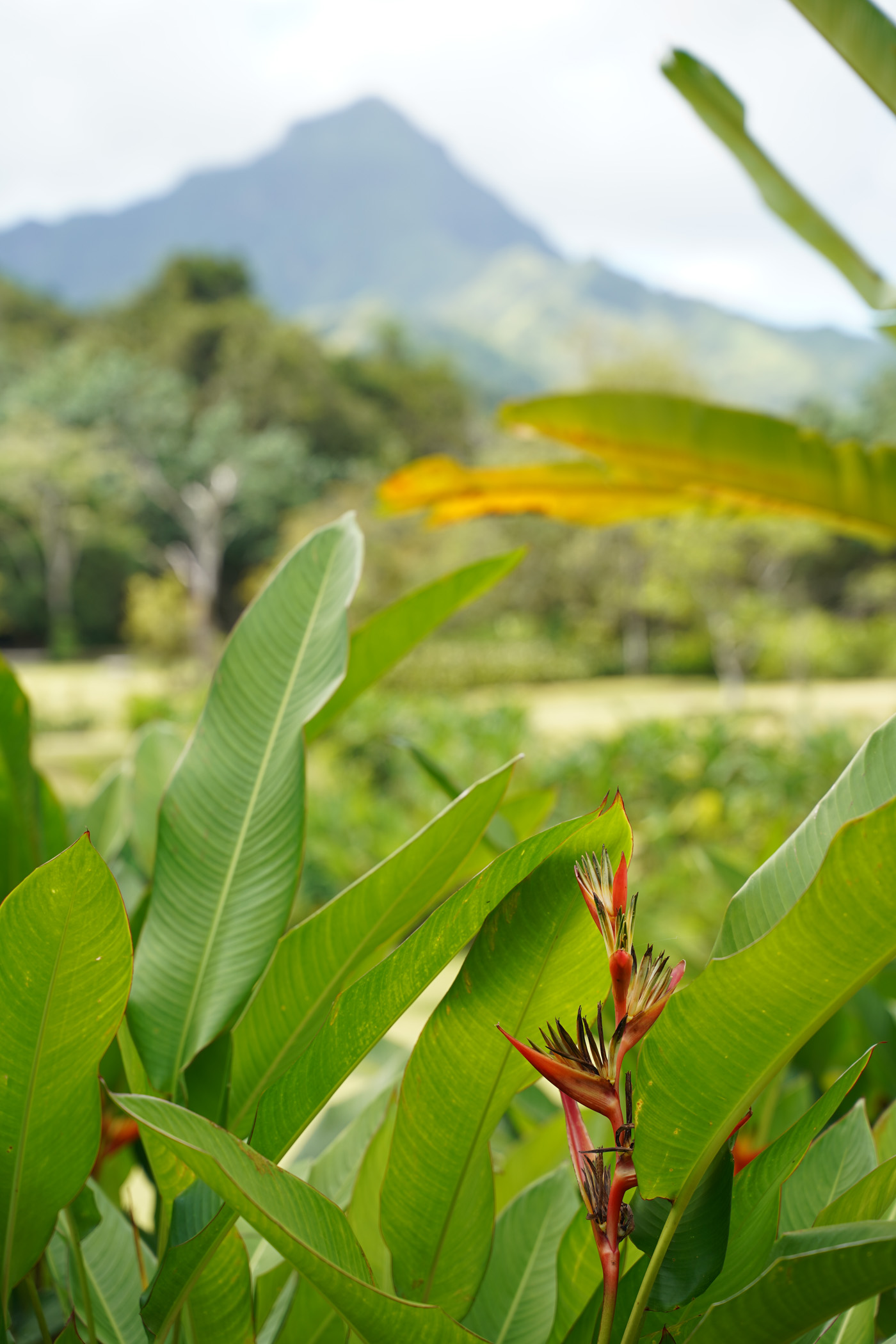
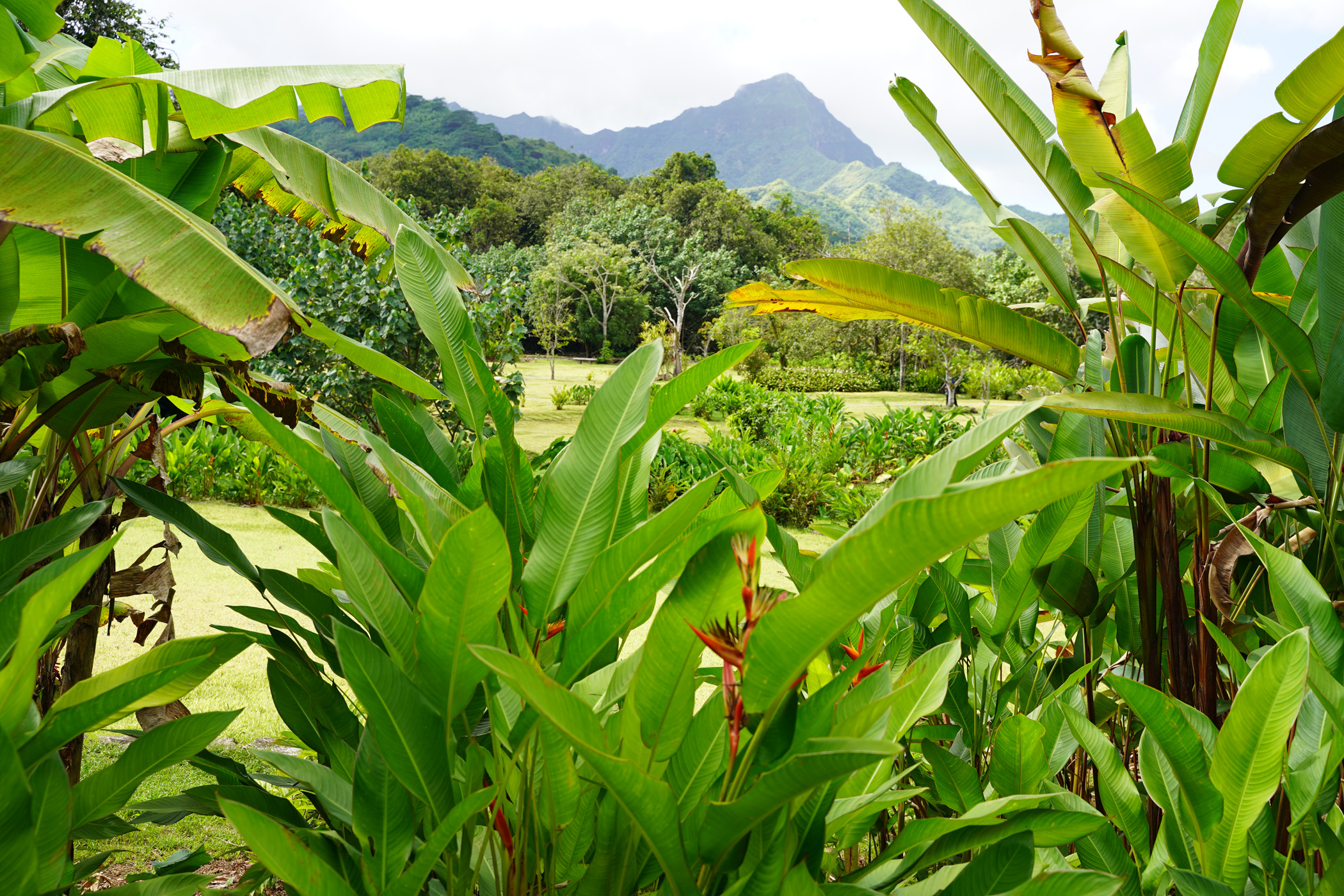
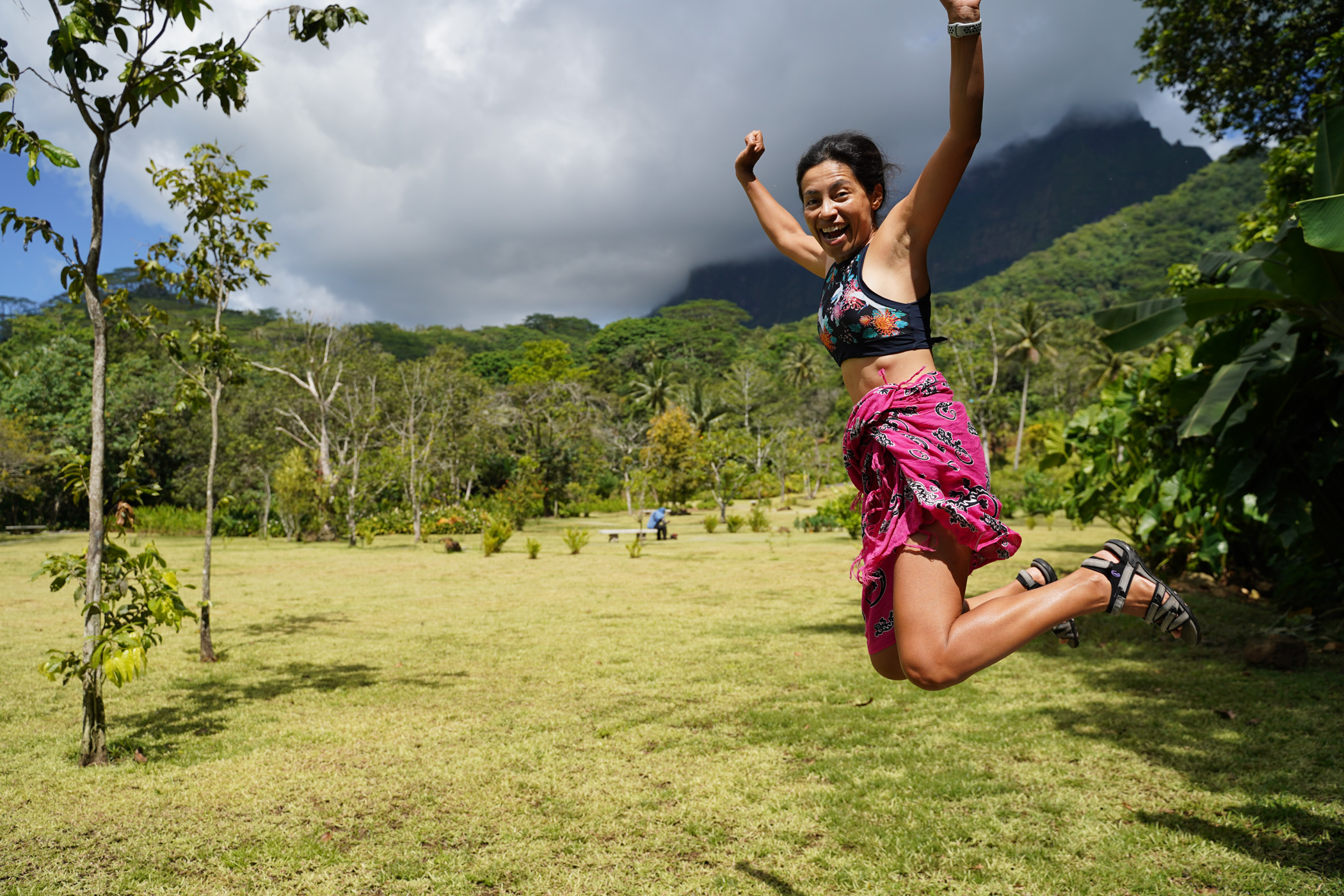
On the way back, we met Andre, a local who owned a large plot of land opposite to the Botanical garden. He was very kind and invited us to visit his property, and even offered us plenty of his homegrown produce, such as a full bunch of bananas, coconuts, papayas, some local fruit, and a huge pumpkin. He wanted to give me an even bigger one, but I told him that one was plenty for me. Cedric is not a fan of pumpkin, but the good thing is that it can last a long time.
Taha’a the vanilla Island
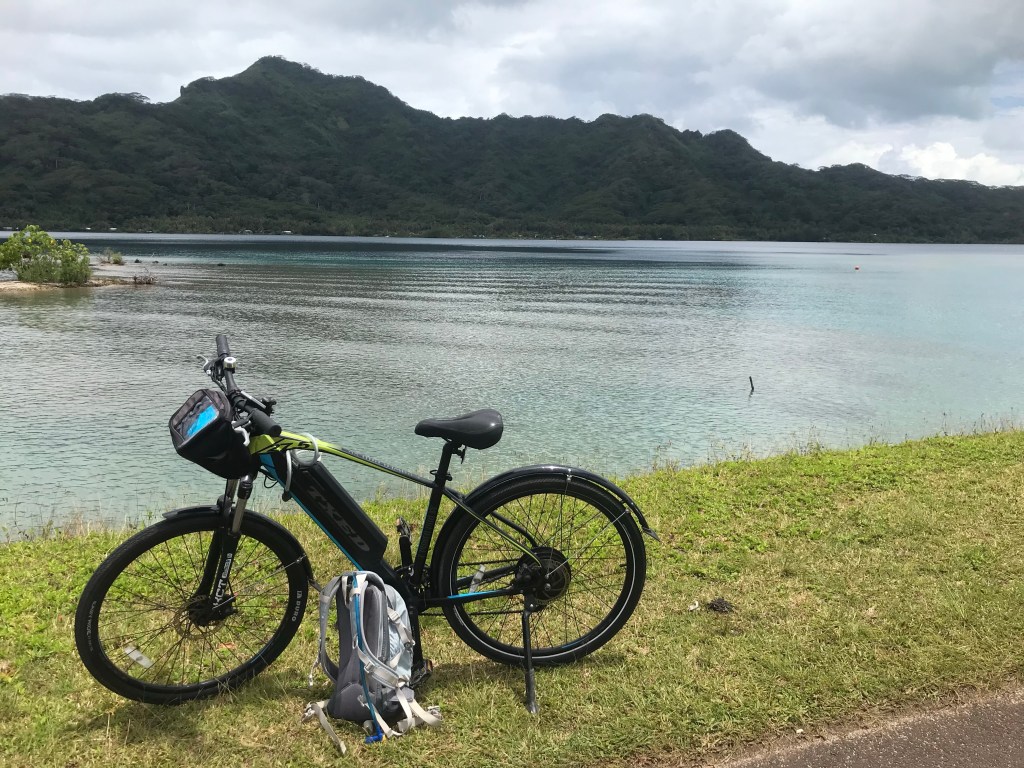
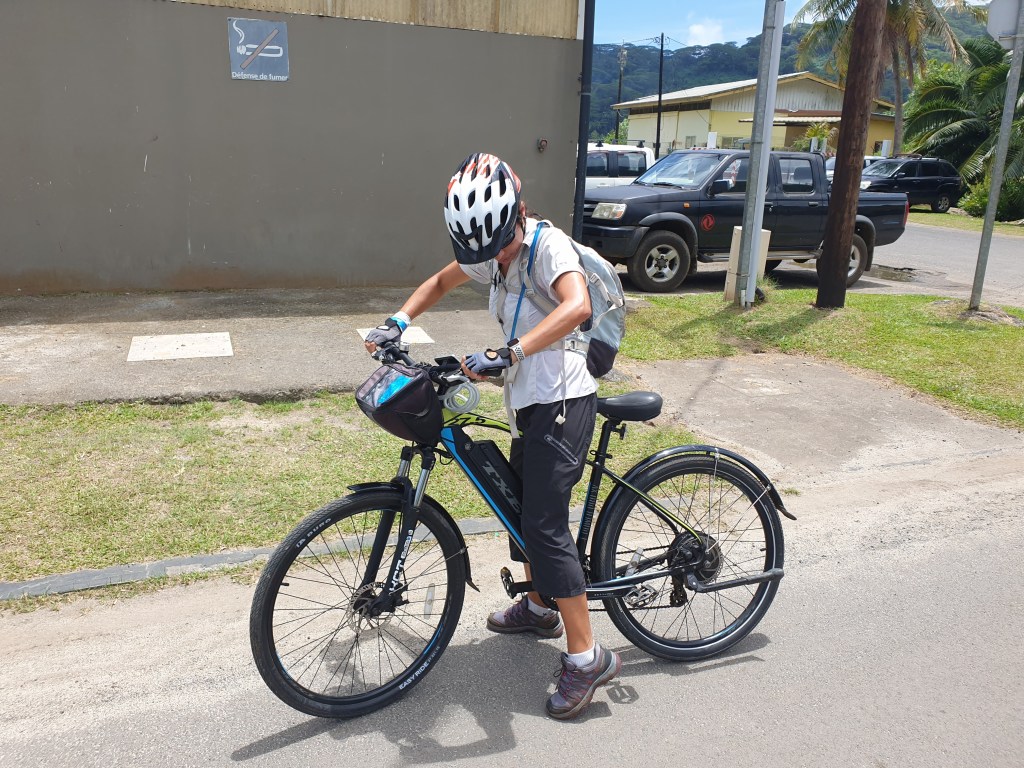
While Cedric stayed on the boat to get water and make a few repairs before our upcoming crossing, I was still in a visiting mood, so I rented an electric bicycle. Interestingly, there is a place on the island where they make rum, but they also rent bikes, why not …
So we did the tour of the distillery which is still a very artisanal production of rum. Everything is done on site, from planting of sugar cane, harvesting, the distillation. We did a tasting, but unfortunately, we couldn’t buy any because we can’t bring it to Australia.
After the distillery, I hopped on my bicycle and headed north to explore the island. The entire ride was stunning with beautiful scenery, and the locals were so kind and helpful with directions when I got a bit lost. Finally, I arrived at the famous vanilla plantation for which Taha’a is renowned.
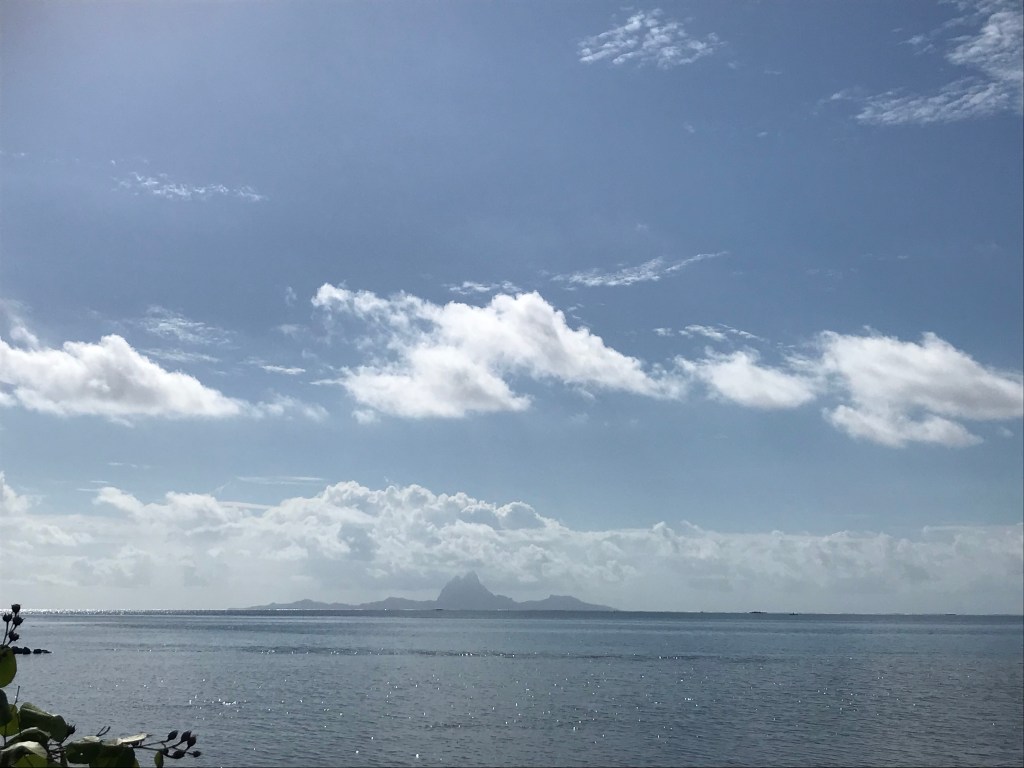
We had visited a place in Raiatea called “The House of Vanilla,” but after a long hike up and down a mountain, we arrived only to find out that the place had closed down. It was a family plantation, and after the father passed away, none of the children wanted to take care of it, so it disappeared. During our drive, we stopped at a couple of places where they sold vanilla, but I was still curious to see a full plantation.
This time, I got the whole tour and all the explanations. Taha’a produces 80% of the vanilla in all of French Polynesia, which is famous worldwide for its quality and aroma, as well as its price. Here is a summary:
Vanilla production involves planting vanilla orchids (yes, I didn’t know vanilla came from an orchid) on supportive trees or posts. The flowers are hand-pollinated. The pollination process has to be done by hand because the bees that could do that job do not live in these islands.
Once the beans reach maturity after about nine months, they are handpicked. The harvested beans undergo a fermentation process to develop flavor, followed by sun-drying and sweating. Curing is carried out to mellow the beans and enhance their flavor profiles. Finally, the beans are sorted, graded, packaged, and prepared for distribution.
With such a complex and manual process for this unique species of flower, producing such a nice aroma and taste, it now makes more sense why vanilla is very expensive. Sometimes it is even called “black gold” because it can be more expensive than silver.
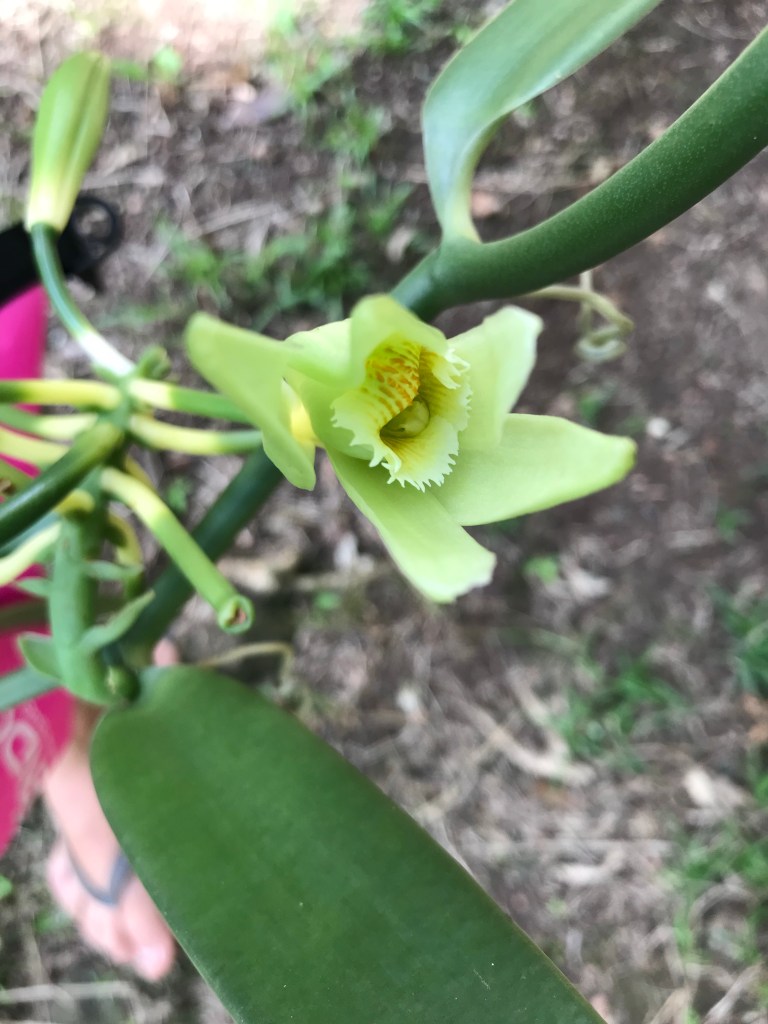
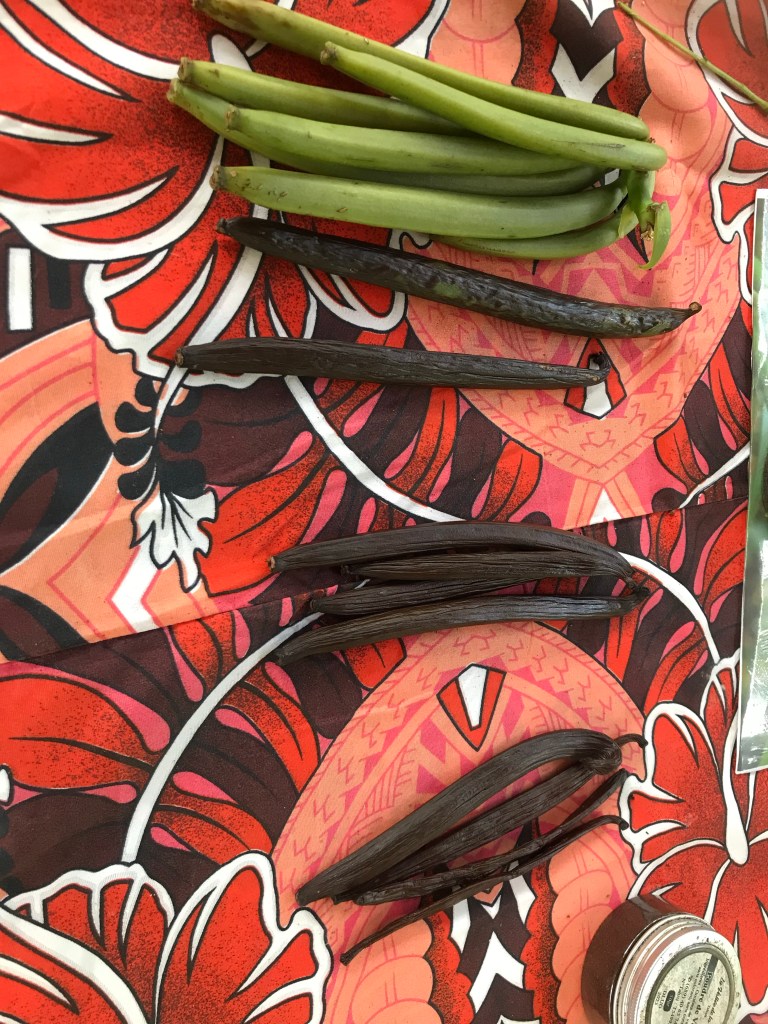
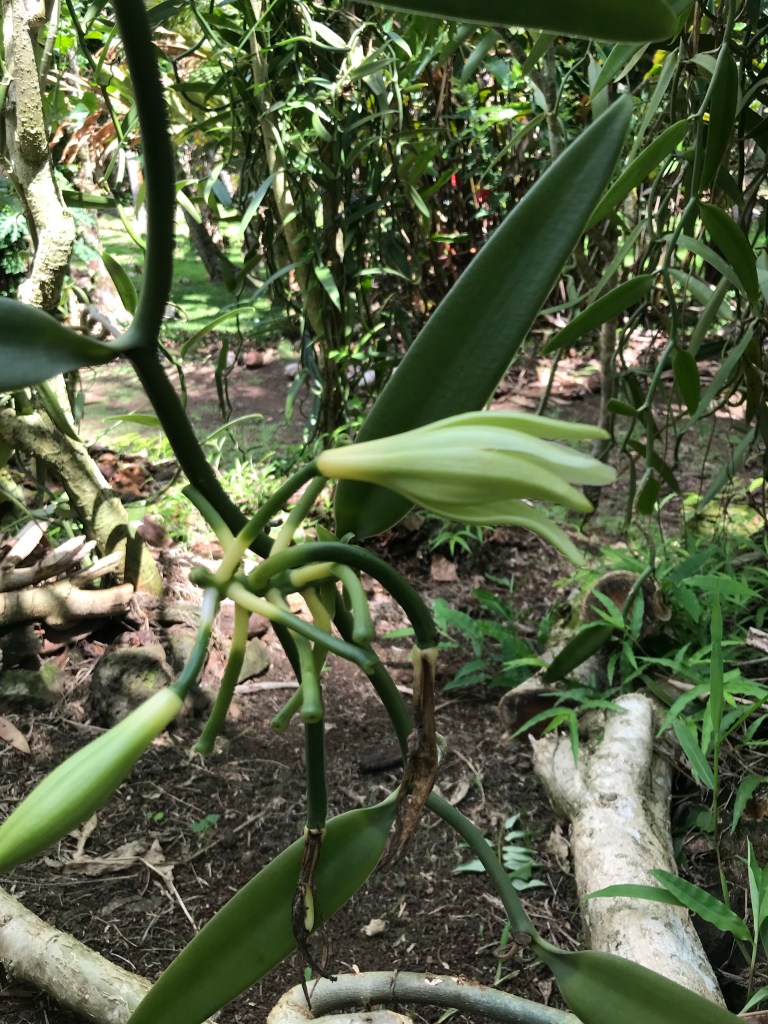
I was lucky to be able to see the flower because it blooms only between August to October and each flower is open for only one day!
Dancing, snorkelling and a local meal
Across the bay from we where anchored in Taha’a there was the Taha’a Island Resort & Spa, it is one of the premiere overwater resorts in the South Pacific. It is located on Motu Tao Tao
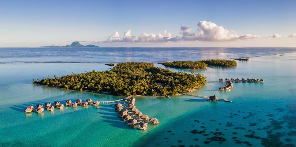
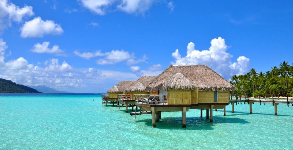
The hotel rooms are bungalows over the water.
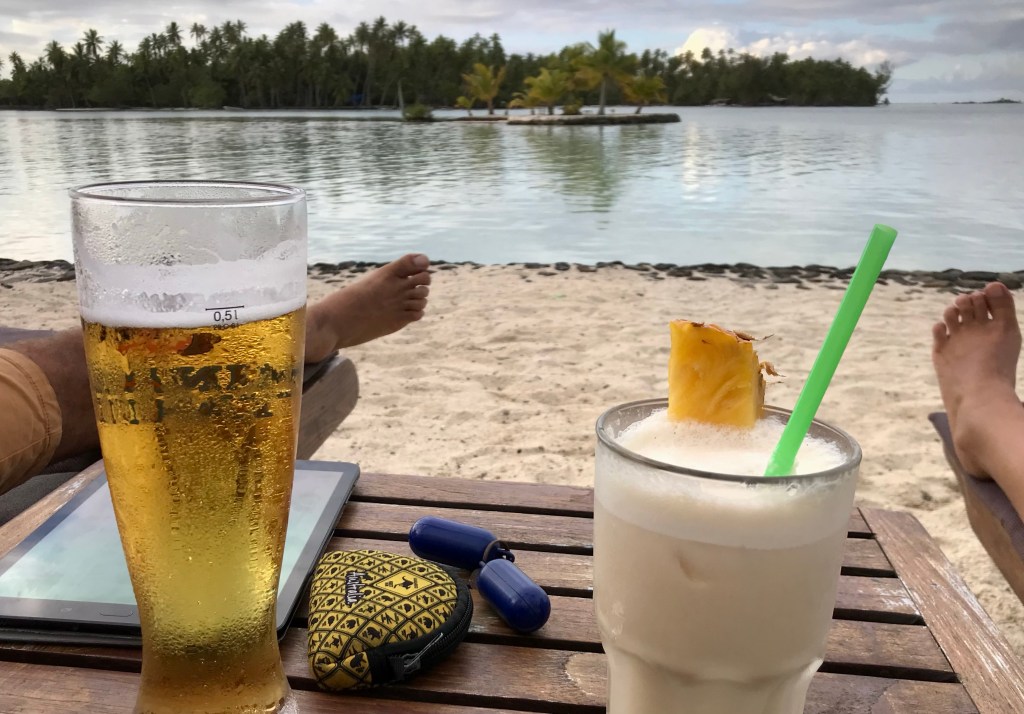
We visited the hotel one day and were very well received. We had an aperitif by the beach and that’s when we found out that they had shows at night with a full group of dancers and a buffet dinner menu with plenty of choices, including local delicacies. We didn’t have to think about it too much, so we quickly made a reservation to come back another day and enjoy the full experience.

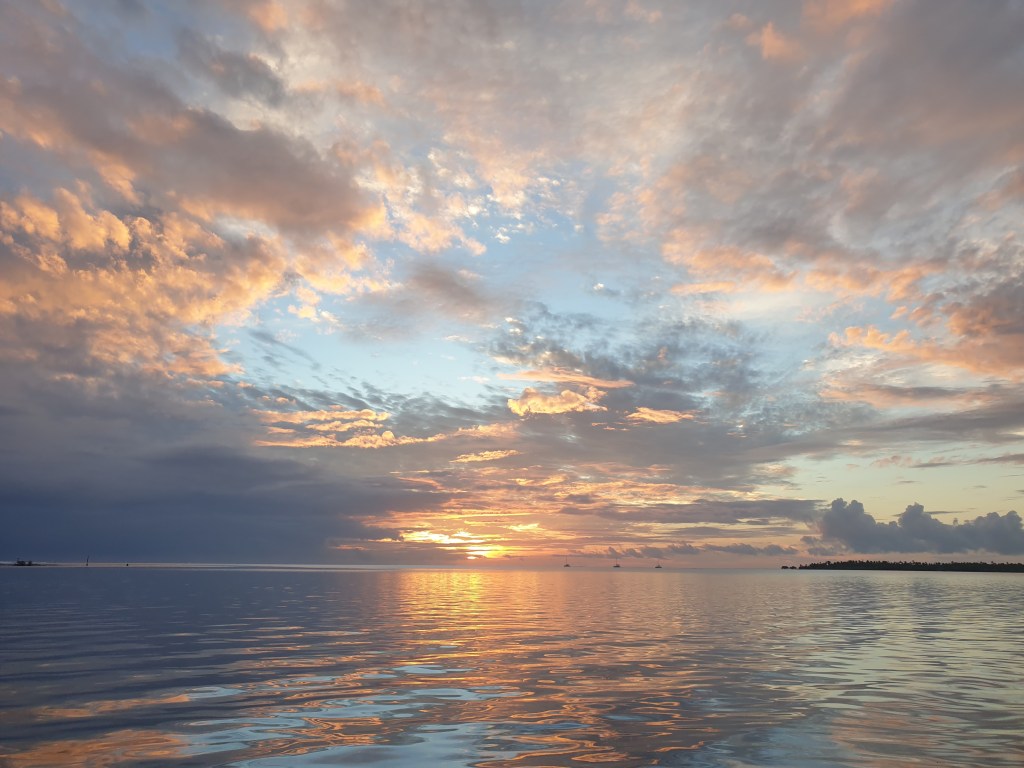
A few days later, we arrived by Hasty (our dinghy) close to the Motu and spent the whole afternoon and evening at the resort. First, we put on our full snorkeling gear and went into the water. As the Motu is situated between the lagoon and the open sea, the amount of marine life is wonderful. We snorkeled for a couple of hours in what is called the “coral gardens.” Later, we went into the resort and had a great sunset relaxing by the swimming pool.
And at night it was party time!! The buffet had more choices than what was listed on the menu and everything was well cooked with stunning decoration. Main dishes, side dishes, and so many desserts, it was a real treat. The local dance show that accompanied our meal was a perfect complement.
Preparing for the longest crossing
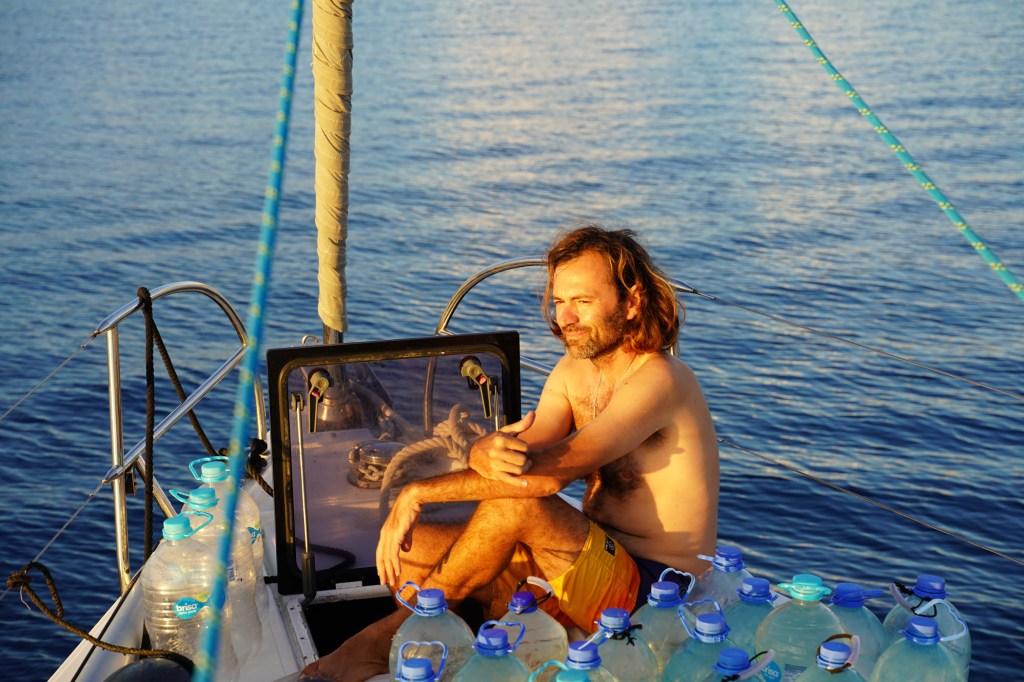
Cedric keeps storing water. He filled plenty of 5-gallon bottles from the fuel station in Taha’a. He also had to get fuel with jerricans from Taha’a because when we went with Happy Days all the way to Uturoa dock, we couldn’t stop there. There were a couple of boats there, and the wind was pushing us in the wrong direction, so it wasn’t safe. While I got everything ready inside and put the food away in all the lockers, Cedric filled the fuel. I also got our cabin ready, and the back cabin ready for me as well. When we go on a passage, I use the back cabin because our cabin in front moves too much.
The gas was also a long story. It should have been done overnight, but it took like a week to refill our two little bottles. But it’s done now, so we have four full 2.4Kg bottles, which should be plenty as each bottle can last us about three weeks. The boatyard is full, and it’s not organized at all. They have a lot of work, but at the same time, it’s difficult with restrictions and fewer people. It’s kind of crazy days for them as well. We went at least three different times to collect the gas bottles.
We are still planning to spend a couple of days in Bora Bora to get the COVID test done, which is the only remaining document we need to send to our agent in Fiji to complete all the paperwork.
Additionally, I need to see a doctor as my right hand isn’t recovering well after the 40km bike ride, 5-hour paddle ride, and the snorkelling we did in the last few days. Though I have been managing it with a bandage, cream, and ice, it’s not improving as much as I’d like, so it’s better to have it checked before we depart.
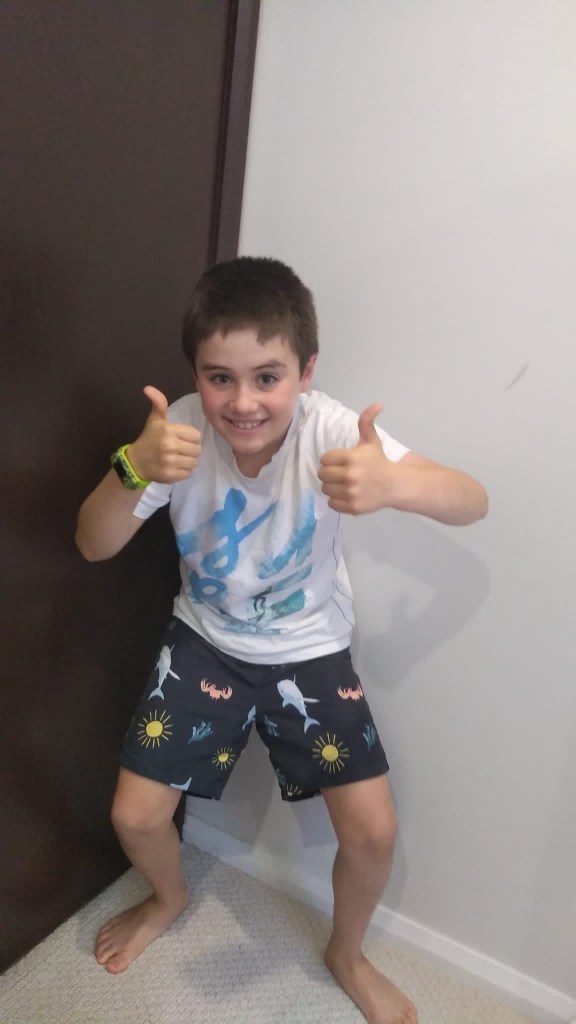
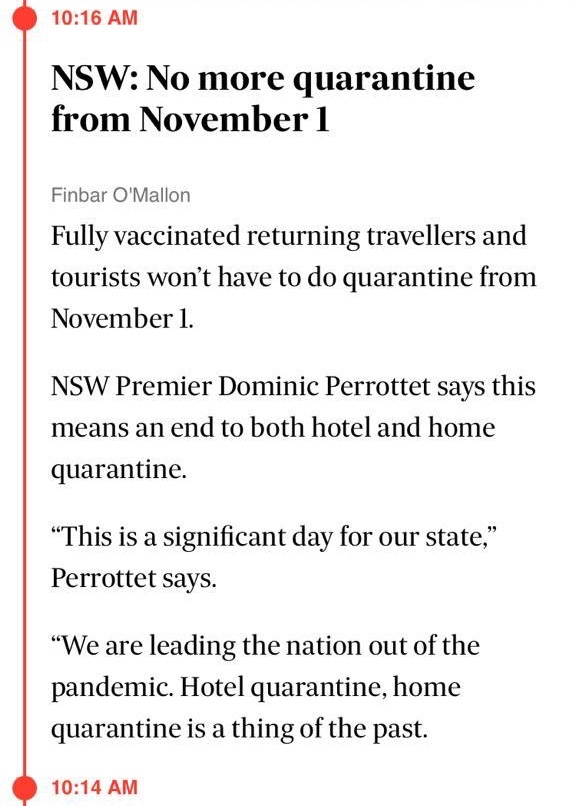
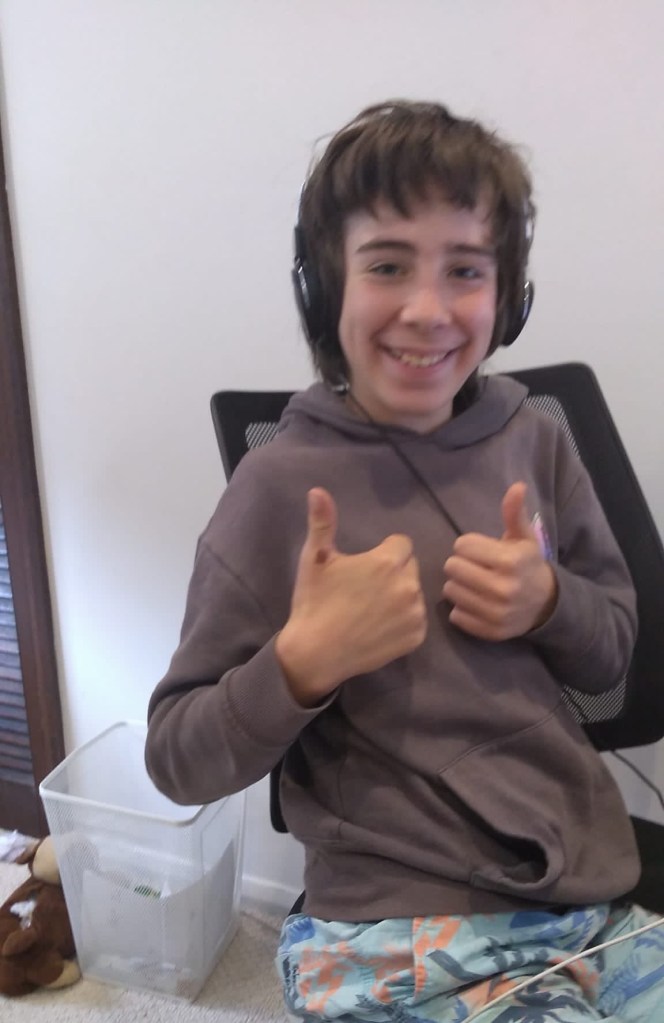
Fortunately, things are coming together nicely, and we received some great news today! Australia will no longer require quarantine starting from November 1st. That means we don’t have to spend $4000 per person plus an additional $3000 for Happy Days to be locked up in a quarantine-certified location for two weeks. It’s absurd that our friends sailed straight from Bora Bora to Queensland in August, spending 64 days at sea, and then got sent to quarantine in a hotel for two weeks with only 30 minutes to tie their boat at the marina. It makes no sense!
This news is now official, and we have talked to our friends who are waiting for us in Australia. We are currently on day 30 out of 100 and counting.
 Happy Days